
Your Journey to an Extraordinary Life

Is This It? Ever find yourself wondering, “Is this it? Is there more to life than this day-to-day routine?” 😩 If that thought has crossed your mind, you’re not alone! It’s easy to get caught up in the hustle and grind, falling into a daily rhythm that can feel, well… monotonous. But what if I told you that you could start a journey to transform your ordinary life into an extraordinary one—starting today? It’s time to break free from the autopilot and inject some excitement into your daily routine. Let’s discover how simple shifts can refresh your days and bring back a sense of adventure and joy! Why Reinvent Your Routine? Let’s be real for a moment—life is busy. You’ve got work, family, commitments, and a never-ending to-do list. It’s easy to stick to the same patterns because they’re familiar, predictable, and feel like they save time. But here’s the thing: those familiar patterns can turn into a rut. And that rut? It can leave you feeling unmotivated, bored, and craving something more. The good news? Reinventing your daily routine doesn’t mean you have to overhaul your entire life. It’s about making small but impactful tweaks that reignite your spark and make the ordinary feel extraordinary. Small Shifts, Big Impact Ready to shake things up? Let’s talk about a few simple ways to breathe new life into your routine: 1. Bored with Your House? Rearrange Your Furniture! Sometimes, all it takes is a change in scenery to shift your perspective. Moving around the furniture in your living room or even swapping out décor can give you a fresh take on your space. It’s amazing how a simple rearrangement can spark creativity and make your home feel like new again! Try a new setup, or add a splash of color with throw pillows, plants, or artwork that brings you joy. 🌿 2. Tired of the Same Old Food? Dust Off That Cookbook and Discover a New Recipe Food is a massive part of our daily routine, and it’s easy to fall into the habit of cooking the same meals week after week. Why not try something new? Pull out that cookbook that’s been sitting on your shelf (or browse a few new ones online) and experiment with a recipe you’ve never tried before. Maybe it’s a cuisine you’ve always wanted to explore or a dish that takes you out of your comfort zone. Not only will this excite your taste buds, but it’ll give you something to look forward to! 🍲 3. Sick of Your Daily Commute? Take the Scenic Route! If you’re someone who drives the same road day after day, it’s time to mix things up. Taking a different route to work or even walking a different path during your daily walk can give you a new perspective on your surroundings. Turn on a new podcast, or listen to music that uplifts you. Shaking up your commute, even in small ways, can make a massive difference in your mood and energy. 🚗✨ Embrace the Power of New Experiences Okay, so now you’ve rearranged your furniture, cooked up a new dish, and tried a different commute—what’s next? How do you keep that excitement going? The answer lies in embracing the power of new experiences. Every time you introduce something new into your life, you invite freshness and growth. New experiences expand your horizons, break the monotony, and challenge you in ways that fuel your personal development. Here are a few ways you can infuse more novelty into your life: 1. Explore a New Hobby or Skill Ever wanted to learn photography? Paint? Try gardening? 🎨 Whether it’s something you’ve always been curious about or a completely random hobby, learning a new skill can reignite your curiosity and give you a sense of purpose outside of your everyday responsibilities. 2. Plan a Mini Adventure You don’t need to book an international vacation to feel a sense of adventure. Plan a local day trip to a town you’ve never visited, hike a trail you’ve never tried, or explore a new coffee shop in the area. Sometimes, a mini getaway is all you need to feel refreshed and recharged. 🗺️🌲 3. Reconnect with Old Friends or Make New Ones Relationships bring richness to our lives. Make time to reconnect with an old friend you haven’t seen in a while, or open yourself up to meeting new people through classes, events, or community groups. You never know what beautiful connections could come from stepping outside your comfort zone. ❤️ Why You Deserve an Extraordinary Life Now, let’s talk about the why. Why go through the effort to reinvent your daily routine? Why add excitement to the little things? Because you deserve it. 💖 Life isn’t meant to be just a series of checklists and routines. It’s meant to be lived, enjoyed, and cherished. When you take the time to refresh your days, even in small ways, you’re giving yourself the gift of an extraordinary life. One where you wake up excited for what’s to come. One where you feel connected to your surroundings, your relationships, and yourself. Craving More? Let’s Dive Deeper! Maybe, though, you’re craving more than just a quick fix. Perhaps what you’re yearning for is a complete transformation—a life where you’re in the driver’s seat, making choices that serve you and bring you more fulfillment. You’re ready to break free from autopilot and start living with purpose and passion. Guess what? That journey starts today, and it starts with you. 🌟 As a Core Energy Coach, I’ve seen firsthand how simple shifts in mindset and behavior can lead to extraordinary changes. If you’re ready to dive deeper, uncover your blind spots, and create lasting change in your life, I’m here to guide you. Together, we can create a life that’s intentional, soulful, and aligned with who you truly are. Practical Tips to Reinvent Your Life, Starting Now If you’re ready to get started, here are some practical tips
Embrace Change : The Secret to a Happier Life

Change is inevitable. It’s a constant in life, as sure as the sunrise and the tide. Yet, for many, the idea of change brings about feelings of anxiety, resistance, and sometimes even fear. The thought of letting go, adapting, or moving forward can feel overwhelming, but what if embracing change could actually be the key to a happier life? The Nature of Life’s Ebbs and Flows One of the greatest lessons we can learn in life is to be present with whatever emotions arise, whether it’s discomfort or ease, grief or joy. Embracing these emotions means accepting them without judgment or resistance. This practice of acceptance is at the core of mindfulness, a concept that encourages us to be fully present in the moment and to experience life as it unfolds, without clinging to the past or worrying about the future. Mindfulness teaches us that nothing is permanent. Our emotions, experiences, and even our lives are in a constant state of flux. By accepting this impermanence, we can approach life with a sense of peace, knowing that everything eventually passes. This understanding, however, is easier said than done. Lessons from the Beach: A Tale of Sandcastles and Waves I often think about the lessons of change when I’m at the beach with my children. It’s a place where the ebb and flow of life are visible and tangible. Picture a typical day: my kids are joyfully building a sandcastle, layer by layer, while I sit nearby with a book. They’re completely immersed in their creation, carefully molding and shaping the sand, pouring their hearts into every detail. But then, as inevitably happens at the beach, a wave suddenly crashes and sweeps their sandcastle away. In that moment, their reactions are varied. Some of my children cry, watching their beloved sandcastle disappear before their eyes. They cling to the wish for it to return, feeling the sting of loss as the wave erases their hard work. The more they cling to the memory of the sandcastle, the deeper their sadness grows. Others, however, simply observe the wave’s work, acknowledging what has happened without resistance. They pick up their shovels and start building again, unfazed by the loss. No grasping, no clinging, just acceptance and a willingness to move forward. This scene at the beach is a microcosm of life. Just like the sandcastle, nothing in life remains unchanged. Relationships evolve, jobs come and go, and our bodies age. Seasons shift, and the tides of life ebb and flow. How we respond to these inevitable changes can greatly impact our happiness and well-being. The Power of Surrender In life, we have a choice: resist change or surrender to it. Resisting change often leads to suffering. When we cling to what was or what we think should be, we create tension and struggle within ourselves. It’s like trying to hold back the tide with our hands, an impossible and exhausting task. Surrendering, on the other hand, allows us to move with the flow of life rather than against it. Surrender doesn’t mean giving up or being passive; it’s about accepting reality as it is and responding to it with grace and resilience. When we practice surrendering to life’s ebb and flow, we become more adaptable and resilient. We learn to let go of what no longer serves us and embrace the new opportunities and experiences that come our way. This doesn’t mean we won’t feel pain or loss when things change, those emotions are a natural part of life, but by accepting change as a fundamental aspect of existence, we can reduce our suffering and find peace even in difficult times. Embracing Change in Relationships One of the areas where change is most challenging is in our relationships. Whether it’s a romantic relationship, a friendship, or a family connection, relationships are dynamic and constantly evolving. People grow, circumstances change, and sometimes, relationships come to an end. The end of a relationship, whether due to a breakup, a falling out, or even death, can be incredibly painful. It’s natural to feel grief, anger, or sadness when we lose someone we care about. However, by embracing the impermanence of relationships, we can learn to appreciate them for what they are—a temporary but meaningful part of our journey. Instead of holding on to the past or trying to force a relationship to remain the same, we can allow it to evolve naturally. This might mean letting go of a relationship that no longer serves us, or it might mean adjusting our expectations and allowing the relationship to change in a way that still brings value to our lives. By approaching relationships with a mindset of acceptance and flexibility, we open ourselves up to deeper connections and greater happiness. We learn to cherish the moments we have with others, knowing that they are fleeting, and we become more compassionate and understanding in our interactions. Embracing Change in Ourselves Just as our relationships and external circumstances change, so do we. We are constantly evolving, growing, and transforming as individuals. This personal evolution can be both exciting and frightening. We may feel uncertain about the future, unsure of who we are becoming, or afraid of losing our sense of identity. However, embracing change within ourselves is essential for personal growth and fulfillment. When we resist our own evolution, we limit our potential and hinder our ability to experience life fully. By accepting and embracing the changes within us, we can tap into our true selves and live more authentically. This might involve exploring new interests, letting go of old habits, or stepping out of our comfort zones to pursue new opportunities. It might also mean facing our fears and insecurities, and allowing ourselves to heal and grow from past experiences. By embracing change within ourselves, we empower ourselves to create a life that aligns with our true values and desires. We become more confident, more resilient, and more capable of handling whatever life throws our way. The Practice
Unlocking True Joy: Your Path to a Fulfilled Life

In the whirlwind of our daily routines, jam-packed with back-to-back meetings, endless to-do lists, and the relentless pursuit of goals, we often lose sight of a fundamental quest—the search for what truly brings us joy. This quest, far from being a whimsical or frivolous pursuit, is the bedrock of a deeply fulfilling life. It’s about discovering those sparks that light up our eyes, quicken our heartbeats, and infuse our days with meaning beyond the mundane. The Joy Compass: Navigating Towards Fulfillment Joy, in its purest form, is that effervescent feeling that bubbles up from within when we’re engaged in activities or surrounded by people who resonate with our deepest selves. It’s the laughter that erupts in the company of good friends, the sense of awe gazing at a breathtaking sunset, or the profound satisfaction of contributing to a cause greater than ourselves. However, in the hustle of life, this joy compass can get buried under layers of obligations, expectations, and societal pressures. Rediscovering it requires a conscious effort—a pause in our relentless routines to tune in to our inner selves and listen to the whispers of our hearts. The Quest for Joy: Why It Matters Embarking on this quest for feeling is not a luxury; it’s a necessity for our overall well-being. Studies have shown that engaging in activities that bring us joy can boost our mental and physical health, enhance our resilience to stress, and deepen our connections with others. It acts as a buffer against burnout, a spark that can ignite creativity, and a glue that binds us to the people and the world around us. Discovering Yours: A Personal Odyssey Finding what brings you true joy is a deeply personal journey, one that might require some introspection and experimentation. Here are a few strategies to guide you on this odyssey: Reflect on Past Experiences: Think back to moments in your life when you felt most alive, most yourself. What were you doing? Who were you with? Identifying these past highlights can provide clues to your current sources of happiness. Explore and Experiment: Give yourself permission to try new things, whether it’s a hobby you’ve always been curious about, a skill you’ve wanted to learn, or an adventure you’ve dreamed of taking. The process of exploration itself can be a source of joy. Savor the Simple Pleasures: Sometimes, joy hides in the simplest of moments—the aroma of your morning coffee, the feel of sunlight on your face, or the melody of your favorite song. Practice mindfulness to savor these fleeting joys. Connect with Your Community: Joy often flourishes in the presence of meaningful connections. Engage with your community, whether it’s through volunteering, joining a club or group that shares your interests, or simply spending quality time with loved ones. Align Your Life with Your Values: True joy often springs from living a life that’s aligned with your deepest values. Take time to reflect on what matters most to you and make choices that reflect these values. The Ripple Effect When you discover and engage in activities that bring you true joy, the effects ripple outwards, touching every aspect of your life. It breeds positivity, and this positivity can enhance your relationships, boost your productivity, and even inspire those around you. It’s a cycle of positivity that can transform not just your life, but also the lives of those you touch. Embracing Joy in the Everyday Incorporating it into your daily life doesn’t have to mean making drastic changes. It can start with small, intentional acts—choosing to start your day with a gratitude practice, taking short breaks to do something you love, or ending your day with a reflection on the moments that brought you this feeling. Your Joyful Manifesto As you embark on this journey of discovering what truly brings you joy, remember that this is your unique path. There’s no one-size-fits-all recipe — it’s as diverse as humanity itself. Embrace this quest with an open heart and a curious mind, and let it be your compass towards a more fulfilled and vibrant life. In the end, the pursuit of joy is more than just finding what makes us happy—it’s about connecting with our authentic selves, cultivating a sense of purpose, and embracing the beauty of our lives in all its facets. So go ahead, dive into this journey of discovery, and let joy be your guide to a richer, more meaningful existence.
Taming the Mind Chatter: A Path to Inner Peace and Clarity

In the fast-paced world we live in, our minds are constantly bombarded with thoughts, worries, and distractions. This inner turmoil, often referred to as “mind chatter,” can leave us feeling overwhelmed and disconnected from our true selves. As a mindfulness life coach, I’ve seen firsthand how mind chatter can affect our well-being and hinder personal growth. In this blog, we’ll explore the concept of mind chatter, its causes, and most importantly, strategies to quiet the noise and cultivate a more peaceful and focused mind. What is Mind Chatter? Mind chatter, also known as “monkey mind” in Buddhist teachings, refers to the constant stream of thoughts that flood our minds. These thoughts can be anything from everyday concerns and to-do lists to anxieties about the past or future. Mind chatter often feels like an endless, chaotic narrative that distracts us from the present moment and makes it difficult to concentrate or find inner calm. Your roving mind will be your biggest hindrance to meditating. You will be subjected to what appears to be an incessant, absolutely uncontrollable stream of thought. In the Zen meditation tradition, this is called watching the waterfall – that perpetual Niagara Falls gushing out of your mind. FUN FACTS: your brain is a… 3 pound universe that processes 70,000 thoughts each day using 100 billion neurons, that connect to more than 500 trillion points through synapses that travel 300 miles an hour! And you wonder why it’s challenging to be fully present in the moment! Your personal Niagara Falls is and has always been there. You’re just too busy drowning under it to notice it! The roving mind is in every one of us, 24/7. The mind is a perpetual thought machine whose sole job is to think. It’s a loyal worker who will never let you down. We can’t suppress thinking. But we can try to surpass it. Causes of Mind Chatter Stress and Anxiety: One of the primary triggers of monkey mind is stress and anxiety. When we’re stressed, our minds tend to race as we worry about various aspects of our lives. Overthinking: Overthinking situations, decisions, or conversations can lead to an endless loop of thoughts, contributing to monkey mind. Multitasking: Living in a world that encourages multitasking can make our minds juggle multiple thoughts simultaneously, leading to mental clutter. External Stimuli: Constant exposure to external stimuli like smartphones, social media, and news can overwhelm our minds with information and opinions. Unresolved Emotions: Past traumas or unresolved emotions can resurface in the form of intrusive thoughts, adding to the mind chatter. Strategies for Quieting Mind Chatter Mindfulness Meditation: Mindfulness meditation is a powerful tool for taming mind chatter. By focusing on the breath and observing thoughts without judgment, we can create distance from the noise in our minds. Breath Awareness: Whenever you notice monkey mind taking over, take a few deep breaths. This simple act can help you recenter and calm your racing thoughts. Mindful Walking: Engaging in mindful walking, where you pay attention to each step and your surroundings, can help ground you in the present moment and reduce mind chatter. Journaling: Writing down your thoughts and feelings in a journal can provide an outlet for the mind chatter. It helps you acknowledge and release what’s on your mind. Limit External Stimuli: Reduce exposure to constant external stimuli by setting boundaries with technology and spending time in nature or quiet environments. Yoga and Body Awareness: Yoga combines movement and breath awareness, which can help quiet the mind and reduce stress. Affirmations: Using positive affirmations can redirect your thoughts towards more constructive and uplifting patterns. Mindful Listening: Practice truly listening when in conversations rather than planning your response in your mind. This can reduce mental clutter. The Benefits of Quieting Mind Chatter Quieting monkey mind offers numerous benefits. It can enhance mental clarity, improve focus and concentration, reduce stress and anxiety, and lead to a greater sense of inner peace. As a mindfulness life coach, I’ve witnessed how clients who learn to manage their mind chatter often experience improved overall well-being and a deeper connection with their inner selves. Mind chatter is a common challenge in today’s busy world, but with mindfulness and practice, it can be tamed. As a mindfulness life coach, I encourage you to explore these strategies and find what works best for you. Remember that it’s a journey, and there’s no need for perfection. By embracing mindfulness and taking steps to quiet the noise in your mind, you can cultivate a more peaceful and focused life, allowing your true self to shine through.
Emotional Regulation: The Art of Finding Your Inner Zen

Emotions are a rollercoaster ride through the amusement park of life. From the thrilling highs of joy and excitement to the heart-pounding lows of sadness and anger, our emotions can take us on quite the adventure. But just like a rollercoaster, it’s important to have some control over the ride. That’s where emotional regulation comes in – it’s like the operator’s manual for your emotional rollercoaster. Now, I know what you might be thinking: “Emotional regulation? That sounds about as fun as doing your taxes on a Saturday night.” But fear not, my fellow thrill-seekers, because emotional regulation can actually be a hoot and a half when you approach it with the right attitude. So, let’s embark on this wild ride and discover how to find your inner zen while still having a blast. The Emotional Rollercoaster: Buckle Up! Before we dive into the nitty-gritty of emotional regulation, let’s take a moment to appreciate the wild ride that is our emotional rollercoaster. Emotions are like the twists, turns, and loop-de-loops of a rollercoaster – they can leave you breathless, exhilarated, or a little queasy at times. Imagine this: You’re standing in line for the “Joyful Jamboree” ride, eagerly waiting to experience that rush of happiness. The line moves forward, and you finally strap yourself in. The ride starts, and you’re soaring through the air, feeling like you’re on top of the world. That’s the high of positive emotions – the pure, unadulterated joy that makes life feel incredible. But wait, what’s this? You’re now in line for the “Anger Avalanche.” Your face is red, your fists are clenched, and you’re ready to take on the world. The rollercoaster takes off, and you’re hurtling down a steep slope of rage and frustration. Negative emotions can be intense, just like this ride, and they can leave you feeling out of control. The key to enjoying the emotional rollercoaster is not to avoid the negative rides altogether but to learn how to manage them effectively. That’s where emotional regulation comes in. It’s like being the master of your own theme park, deciding which rides to go on and when. Step 1: Mindfulness – The Magic Amulet Picture this: You’re on the “Mindful Merry-Go-Round,” and it’s spinning slowly. You’re fully present, noticing the colorful horses and the music playing in the background. You’re not thinking about what’s next or what happened before – you’re here, in this moment. Mindfulness is like that magic amulet you wear on the emotional rollercoaster. It helps you stay grounded and fully aware of what’s happening without getting lost in the whirlwind of emotions. When you’re mindful, you can observe your feelings without judgment, like a curious explorer navigating a new land. Here’s how to put mindfulness into practice: Take a Breather: When you feel your emotions revving up, pause for a moment. Close your eyes, take a deep breath, and exhale slowly. This simple act can help calm the storm inside. Label Your Emotions: Imagine you’re on the “Emotion Express.” As each feeling rushes by, give it a name. “Hello, Anger! Hey there, Sadness!” Labeling your emotions can make them feel less overwhelming. Observe Without Judgment: Pretend you’re on the “Emotion Observation Deck.” Watch your feelings come and go, like clouds passing in the sky. Remember, it’s okay to feel what you’re feeling. Step 2: The Funhouse of Distraction Life’s carnival is full of distractions – the bright lights, the exciting games, and the tantalizing smells of cotton candy. Similarly, when you’re on the emotional rollercoaster, sometimes it helps to step into the “Funhouse of Distraction” for a while. Distraction can be a helpful tool when your emotions are running wild. It’s like temporarily shifting your focus from the intense ride to something else that brings you joy or peace. Here’s how to make the most of the Funhouse: Find Your Happy Place: Think about what makes you happy. It could be listening to your favorite music, watching cute animal videos, or doodling in your sketchbook. Whenever your emotions go haywire, take a detour to your happy place. Move Your Body: Jump on the “Dance Floor Express” or go for a brisk walk. Physical activity can release endorphins, those delightful little mood-boosters. Connect with Friends: The “Friendship Ferris Wheel” is always a good ride. Reach out to a friend or loved one for a chat or a hangout. Sharing your feelings can be incredibly therapeutic. Step 3: The Wisdom of the Rollercoaster Handbook Every rollercoaster has a handbook that provides valuable tips and safety guidelines. Similarly, emotional regulation has its own handbook – a set of strategies and techniques to keep you on the right track. Let’s take a peek at some of the most effective pages from this handbook: Cognitive Reframing: Imagine you’re on the “Perspective Twist.” This ride takes you through a series of unexpected turns, showing you that there’s more than one way to see things. When negative thoughts hijack your mind, try reframing them in a more positive light. Self-Compassion: Board the “Self-Compassion Carousel.” Treat yourself with kindness and understanding, just as you would a friend. Remember that it’s okay to make mistakes and have rough days. Emotional Expression: Hop on the “Emotion Coaster.” Sometimes, you just need to let it out. Talk to a trusted friend, write in a journal, or scream into a pillow. Expressing your emotions can be like releasing pressure on a rollercoaster – it helps you feel lighter. The Grand Finale: Enjoying the Ride As we approach the grand finale of our emotional rollercoaster adventure, remember this: Life’s rollercoaster is meant to be enjoyed, not feared. Emotions, both positive and negative, are a natural part of the experience. By practicing emotional regulation, you become the fearless conductor of your own emotional amusement park. So, the next time you find yourself on the “Fearful Freefall” or the “Anxious Adventure,” take a deep breath, put on your mindfulness amulet, and remember the Funhouse of Distraction. And don’t forget to consult
Ride the Flow, Glow with Creativity: Your Journey to Creative Superpower

If you’re reading this, you’re probably on a quest to tap into that magical state of being where time seems to vanish, and you’re in the zone. Yes, we’re talking about “flow,” that elusive and beautiful experience where your creativity soars like a majestic eagle riding the wind currents. As a mindfulness life coach, I’m here to guide you on this exhilarating journey, so buckle up and let’s explore the marvelous world of flow and creativity! The Flow State: Unleashing Your Creative Superpower First things first, let’s get cozy with the concept of “flow.” It’s that mental state where you’re completely immersed in an activity, to the point where you lose track of time and space. It’s when your creativity dances freely, unburdened by doubts or distractions. It’s like catching lightning in a bottle – electrifying and transformative! Creating the Right Environment:Creating the right environment is crucial. Find a quiet, comfortable space where you won’t be interrupted. Light some candles, put on your favorite calming music, and take a few deep breaths to center yourself. As a mindfulness coach, I can’t emphasize enough how mindfulness techniques can lay the foundation for this. Start with a short meditation to clear your mind and create the space for creativity to flourish. Clearing the Mental Clutter:Before you can ride the flow, you need to declutter your mind. Juggling a million thoughts isn’t conducive to creativity. Try journaling or jotting down your to-dos to get them out of your head. This mental purge will make room for your individual genius to shine. Find Your Passionate Pursuit:What gets your heart racing and your imagination soaring? That’s the activity you should focus on. Flow often occurs when you’re doing something you’re deeply passionate about. It could be painting, coding, gardening, or even cooking. Identify your passion, and let it be your compass. Embrace Challenges:It doesn’t shy away from challenges; it thrives on them. When you’re faced with a task that’s slightly beyond your current skill level, your mind rises to the occasion. It’s like a surfer catching a big wave. Embrace those challenges, and you’ll find yourself in the sweet spot more often. Lose Yourself in the Present Moment:Mindfulness and flow go hand in hand. When you’re in the there, you’re fully present in the moment. You’re not worrying about the past or future; you’re absorbed in what you’re doing right now. This is where the magic happens. To cultivate this, practice mindfulness meditation regularly. It’s like a workout for your brain. Enjoy the Process, Not Just the Outcome:Remember, it’s not just about the end result; it’s about the journey. When you’re in the flow, the process itself is immensely satisfying. So, savor every brushstroke, every note, or every word you write. Enjoy the ride! Learn from Each Flow Experience:Every time you enter the flow, take notes (mentally or physically). What conditions helped you reach that state? What hindered it? Learning from your flow experiences will help you refine your approach and make it easier to tap into that creative superpower. Glowing with Creativity: Your Superpower Unleashed Now that you’re well-versed in the art of flow, let’s talk about the glorious results – creativity unleashed! Creative Blocks Dissolve:Ever felt stuck in a inspired rut? Flow is your escape hatch. In this state, creative blocks seem to vanish into thin air. Your mind becomes a playground of ideas, and inspiration moves like a river. Innovative Thinking Emerges:This opens the door to innovative thinking. You start connecting the dots in new and exciting ways. This is where groundbreaking ideas are born, where you’re not bound by conventional thought patterns. Time Becomes Irrelevant:In the flow, hours can feel like minutes. This is because your sense of time is altered. When you’re fully immersed in your clever pursuits, you lose track of the clock. It’s like having a secret stash of extra hours in the day! Self-Doubt Takes a Backseat:Self-doubt and creativity are like oil and water – they don’t mix. When you’re in the glow, self-doubt gets drowned out by the sheer joy of creating. You trust your instincts, and your confidence soars. Joy and Fulfillment Abound:Creativity in flow is a joyous experience. It’s like dancing to your own unique rhythm, and that rhythm resonates with your soul. The fulfillment you derive from creating in this state is immeasurable. It’s a Gateway to Mastery:When you frequently access the this state, you’re on a fast track to mastery. The more you engage with your passion in this immersive way, the more your skills sharpen, and the deeper your understanding becomes. Stress Takes a Hike:In flow, stress is an unwelcome guest. When you’re focused on your ingenious endeavors, the worries of the world fade into the background. It’s a therapeutic escape from the chaos of daily life. Embracing Flow in Your Daily Life Now, the million-dollar question: how can you make flow a regular part of your life? Well, the key is consistency and a sprinkle of mindfulness: Schedule Creative Time:Set aside dedicated time for your creative pursuits. Make it a non-negotiable part of your routine. This sends a signal to your brain that creativity is a priority. Minimize Distractions:Clear your workspace of distractions. Put away your phone, close unnecessary tabs on your computer, and let your family or roommates know that you need some uninterrupted creative time. Practice Mindfulness Daily:Incorporate mindfulness exercises into your daily routine. It could be as simple as a 10-minute meditation session or mindful breathing. This will help you become more attuned to the present moment, making it easier to slip into flow. Collaborate and Share:Don’t be afraid to collaborate with others. Sharing your visionary process with like-minded individuals can enhance the flow experience. You can bounce ideas off each other and inspire one another. Celebrate Small Wins:Acknowledge and celebrate your achievements, no matter how small. These victories will keep you motivated and excited to return to your creative endeavors. Stay Curious:Curiosity is a fuel for creativity. Stay curious about your chosen field. Keep learning
The Power of Positive Thinking: Unleash Your Inner Optimist
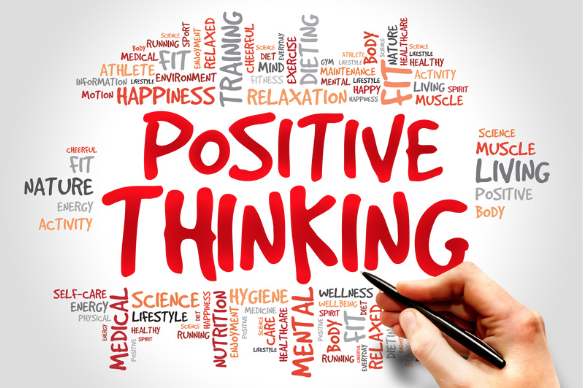
In a world that’s often bustling with challenges and uncertainties, cultivating a positive mindset can be the key to unlocking a happier and more fulfilling life. As a mindfulness life coach, I’ve witnessed firsthand the transformative effects of positive thinking on individuals. So, let’s dive into the incredible world of positive thinking and explore how it can shape your reality for the better. The Science Behind Positive Thinking Positive thinking isn’t just a feel-good notion; it’s backed by science. Research in the field of psychology has shown that our thoughts and emotions can significantly impact our overall well-being. The way we perceive situations and interpret events can either lift us up or drag us down. When you embrace positive thinking, your brain releases endorphins, the “feel-good” chemicals that contribute to reduced stress and enhanced mood. This biological response paves the way for increased creativity, improved problem-solving skills, and better decision-making abilities. Rewiring Your Brain for Positivity Our brains are astonishingly adaptable, and they have the ability to rewire themselves based on our experiences and thought patterns. This phenomenon is known as neuroplasticity. By consistently engaging in positive thinking, you can rewire your brain to default to optimistic perspectives. Start by acknowledging your negative thoughts without judgment. Then, challenge them by examining the evidence that supports or contradicts them. Replace these negative thoughts with more balanced, positive ones. Over time, this practice will become second nature, leading to a more positive outlook on life. The Ripple Effect of Positivity Have you ever noticed how a smile from a stranger can brighten your day? That’s the ripple effect of positivity in action. When you radiate positivity, you create a positive atmosphere around you that’s contagious. As a mindfulness life coach, I often encourage my clients to be mindful of the energy they bring into their interactions. By approaching conversations and relationships with positivity, you can uplift others and contribute to a more harmonious environment. Remember, your attitude is like a pebble dropped into a pond – the ripples spread far and wide. Navigating Challenges with Optimism Life is full of twists and turns, and challenges are inevitable. However, your response to these challenges can make all the difference. Positive thinking equips you with the resilience and mental strength needed to navigate through tough times. Instead of dwelling on setbacks, focus on the lessons and growth opportunities they present. When faced with a challenge, ask yourself: “What can I learn from this situation?” Shifting your perspective in this way allows you to find silver linings even in the most difficult circumstances. Fueling Your Goals with Positivity Whether you’re aiming for a career change, better health, or stronger relationships, positive thinking can be the driving force behind your goals. When you believe in your abilities and visualize your success, you’re more likely to take action and overcome obstacles. Create a vision board that represents your goals and aspirations. Fill it with images, quotes, and affirmations that inspire and motivate you. By regularly visualizing your goals in a positive light, you’re setting the stage for achievement and fulfillment. The Art of Self-Compassion Positive thinking goes hand in hand with self-compassion – the practice of treating yourself with kindness and understanding, especially during challenging times. As a mindfulness life coach, I’ve seen how self-compassion can transform the way individuals view themselves. Instead of criticizing yourself for perceived shortcomings, practice self-talk that’s nurturing and supportive. Treat yourself as you would a dear friend, offering words of encouragement and understanding. This approach not only boosts your self-esteem but also enhances your overall well-being. Building Lasting Relationships through Positivity Positivity isn’t just confined to your inner world; it profoundly impacts your interactions with others. Whether in friendships, family relationships, or romantic partnerships, a positive outlook fosters trust, empathy, and open communication. Listen actively and cultivate gratitude for the people in your life. Express appreciation and encouragement freely. When conflicts arise, approach them with an intention to find common ground rather than focusing on blame. By nurturing positive connections, you create a network of support that enhances your emotional resilience. Embracing the Present Moment As a mindfulness life coach, I emphasize the importance of living in the present moment. Positive thinking is closely intertwined with mindfulness – the practice of being fully present and engaged in the here and now. When you’re mindful, you’re able to appreciate the beauty around you and savor life’s simple pleasures. Take moments throughout your day to engage your senses – feel the warmth of the sun on your skin, savor the taste of your food, and truly listen to the sounds around you. By grounding yourself in the present, you cultivate a sense of gratitude and positivity that carries you through life’s journey. Positive thinking is a powerful tool that can transform your life in remarkable ways. As a mindfulness life coach, I’ve witnessed individuals break free from self-limiting beliefs and embrace a more optimistic outlook. By understanding the science behind positivity, rewiring your brain, and nurturing your relationships, you can unleash the full potential of positive thinking. Remember, every thought you think and every word you speak has the potential to shape your reality. Choose positivity, and watch as your life blossoms into a tapestry of joy, resilience, and meaningful connections.
10 Tips for Becoming Happier
Happiness is something that most of us strive for in life, but it can often feel elusive or fleeting. While there may be no one-size-fits-all solution for becoming happier, there are several things that you can do to improve your well-being and increase your overall happiness levels. Let’s explore some practical tips for becoming happier. Practice Gratitude One of the simplest and most effective ways in becoming happier is to practice gratitude. This involves taking the time to appreciate the good things in your life, no matter how small. Research has shown that expressing gratitude can increase positive emotions, improve relationships, and even lead to better physical health. Start by making a daily gratitude list, where you write down three things that you are thankful for each day. This could be anything from the warm cup of coffee you enjoyed in the morning to the support of a loved one. Build Meaningful Relationships Social connection is a crucial component of happiness, and cultivating positive relationships can significantly improve our well-being. Building and maintaining meaningful relationships with family, friends, and romantic partners can increase our chances of becoming happier and provide us with a support system during difficult times. Try to invest time and effort into building and nurturing your relationships. Make time to connect with loved ones, whether that means meeting up for coffee or simply having a phone conversation. Additionally, try to surround yourself with people who uplift and inspire you, rather than those who bring you down. Seek out new friendships and relationships with like-minded individuals who share your values and interests. Engage in Acts of Kindness Research has shown that engaging in acts of kindness can significantly increase our happiness levels as well as a greater sense of connection with others. This could be as simple as holding the door open for someone or offering a kind word to a stranger. Look for opportunities to help others and make a positive impact in your community. Prioritize Self-Care Self-care is an essential component of becoming happier and it involves taking care of our physical, emotional, and mental well-being. This could include getting enough sleep, exercising regularly, eating a healthy diet, and engaging in activities that bring us joy and fulfillment. Make sure to prioritize your own well-being and take time for yourself each day. Additionally, practice self-compassion and be kind to yourself, even when things don’t go as planned. Practice Mindfulness Mindfulness is the practice of being present and fully engaged in the current moment, without judgment or distraction. Mindfulness has been shown to reduce stress and anxiety, increase positive emotions, and improve overall well-being. Start by practicing mindfulness meditation for a few minutes each day, focusing on your breath and letting go of any thoughts or distractions that arise. Find Meaning and Purpose Having a sense of purpose and meaning in life can increase our overall sense of well-being resulting in becoming happier. This can involve finding meaning in your work, volunteering, or engaging in hobbies and interests that bring you joy. Take the time to reflect on what matters most to you and what brings you a sense of purpose and fulfillment in life. Then, try to incorporate those things into your daily life as much as possible. Learn Something New Engaging in new learning and growth opportunities can significantly contribute to our happiness and sense of purpose. This could be as simple as reading a new book or taking a course in a topic that interests you. By challenging ourselves and expanding our knowledge and skills, we can feel more fulfilled and engaged in our lives. Spend Time Outdoors Research has shown that spending time in nature can significantly improve our well-being and happiness levels. Take time to enjoy the outdoors, whether that means going for a walk in a nearby park or planning a weekend camping trip. Engage your senses and take in the beauty and wonder of the natural world around you. Practice Forgiveness Holding onto grudges or resentment can be a significant source of stress and unhappiness. Practicing forgiveness, both for ourselves and others, can significantly improve our well-being and happiness levels. Let go of past hurts and focus on moving forward with compassion and kindness. Seek Professional Help If you are struggling with feelings of sadness or unhappiness, it may be beneficial to seek professional help. A therapist or a life coach can provide support and guidance, helping you to remove emotional blocks, get clarity, and come up with action plans to change not only your perspective but also your life. Remember that happiness is not a destination, but rather a journey. It takes effort and commitment to cultivate a happy life, but the benefits are worth it. Start incorporating these tips into your daily routine and watch as your happiness levels increase.
8 Steps to Achieve Lasting Happiness through Change
Many people consider happiness the ultimate objective, yet it can often feel like an unattainable and elusive state of being. Despite our best efforts, we may feel like something needs to be improved, and we must obtain or accomplish something to finally achieve lasting happiness. However, true happiness does not originate externally but rather from within. We must change our internal landscape, habits, and perspectives to find lasting happiness. Let’s explore the adjustments that can be made to discover eternal happiness. 1. Transform Your Mindset: The first step to happiness is transforming your mindset. If you consistently focus on negativity, self-doubt, and criticism, happiness will be challenging. Instead, start by focusing on positivity, self-love, and self-care. This entails changing how you think about yourself and the world around you. One approach to altering your mindset is practicing gratitude. Take some time each day to reflect on the things in your life that you are grateful for, such as a beautiful sunset, a kind word from a friend, or having a roof over your head. Focusing on the good things in your life can cultivate a more positive outlook.Another method to change your mindset is by practicing affirmations. Affirmations are positive statements you repeat to yourself, such as “I am worthy of love and happiness” or “I am capable of achieving my dreams.” By repeating these affirmations daily, you can begin to believe them and see yourself in a more positive light. 2. Release Negative Emotions: Holding onto negative emotions like anger, resentment, and bitterness can prevent you from being happy. Letting go of these emotions and forgiving those who wronged you can help you find inner peace and happiness. This does not mean that you have to forget what happened or excuse the behavior of others, but it does mean that you are no longer holding onto the negative emotions that are holding you back. 3. One way to release negative emotions is by practicing mindfulness: Mindfulness is the practice of being present in the moment and observing your thoughts and feelings without judgment. When you practice mindfulness, you become more aware of your thoughts and emotions and can begin to detach from them. This can help you release negative emotions and cultivate a more positive outlook. Another way to release negative emotions is by talking to someone you trust. Sometimes just talking about your feelings can help you process them and move on. Find a friend or family member willing to listen and support you. 4. Embrace Change for Lasting Happiness: Embracing change in your life is essential for happiness. Change can be scary, but it is also necessary for growth and personal development. If you resist change, you will find it hard to experience lasting happiness and fulfillment.One way to embrace change is by trying new things. This could be as simple as trying a new restaurant or as complex as starting a new career. By stepping out of your comfort zone and trying new things, you will begin to grow and develop in ways you never thought possible. Another way to embrace change is by focusing on the positives. When faced with a challenging situation, focus on the positive aspects. For example, if you are moving to a new city, focus on the new opportunities and experiences that await you. By reframing the situation in a positive light, you will begin to feel more optimistic about the future. 5. Cultivate Healthy Relationships: Cultivating healthy relationships is essential for happiness. Surround yourself with positive, supportive, and loving people. These people should lift you, support you, and help you grow. Avoid toxic people who drain your energy and bring negativity into your life. 6. Take Care of Your Physical Health: Taking care of your physical health is crucial for happiness. Exercise regularly, eat a balanced diet, and get enough sleep. These habits can improve physical health, boost mood, and reduce stress. 7. Pursue Your Passions: Chase after your interests and hobbies. Engaging in activities that you love can bring you a sense of joy and satisfaction, regardless of your skill level. What counts is that it evokes happiness in you. 8. Give Back to Others: Giving back to others can contribute to your lasting happiness. Acts of kindness, such as volunteering or helping someone in need, can give you a sense of purpose and fulfillment. It can also create a positive impact on your community and improve your social connections, leading to greater happiness. Being happy is not about having more material possessions or external factors. It’s about making changes within yourself, your perspective, and your habits. Focus on positivity, self-love, and self-care. Let go of negative emotions, embrace change, cultivate healthy relationships, care for your physical health, pursue your passions, and give back to others. These changes can lead to a happier, more fulfilling life.
What is Happiness and Why is It Important

What is Happiness? Happiness is a complex emotion that is difficult to define because it means something different to everyone. It is an emotional state that is characterized by a sense of contentment, joy, and fulfillment. Happiness is not a permanent state but rather a fleeting feeling that can be influenced by various factors such as relationships, purpose, and mindfulness. For some people, happiness is associated with achieving success in their career or personal life. This can include acquiring wealth, receiving accolades, or attaining status. Others may find happiness in spending time with loved ones, pursuing hobbies and interests, or engaging in creative endeavors. Ultimately, happiness is a subjective experience that is unique to each individual. There are several factors that contribute to “what is happiness?”, including positive relationships, a sense of purpose and meaning, and mindfulness practices. Positive relationships are essential when considering “what happiness?”, as humans are social creatures who thrive on connection and support. When individuals have strong relationships with others and feel a sense of belonging, they are more likely to feel happy and resilient in the face of challenges. Having a sense of purpose and meaning can also contribute to figuring out what is happiness to you. This involves engaging in activities that align with one’s values and interests, pursuing meaningful goals, and engaging in fulfilling work. When individuals feel that their lives have purpose and direction, they are more likely to feel content and satisfied. Mindfulness practices such as meditation or yoga can also promote happiness by fostering inner peace and contentment. These practices help individuals let go of negative thoughts and emotions that may hinder their ability to experience joy. By being present in the moment and cultivating a sense of awareness, people can learn to appreciate the simple pleasures of life and find happiness in the present. Cultivating happiness is not a one-time event but rather a journey that requires intentional effort and practice. Practicing gratitude, investing in positive relationships, pursuing meaningful activities, practicing mindfulness, and taking care of physical health are all practical steps that can help promote happiness. Practice gratitude: Gratitude is a powerful tool that can shift one’s focus from what they lack to what they have, which promotes feelings of contentment and satisfaction. People can practice gratitude by taking time each day to reflect on what they are grateful for in their lives. Cultivate positive relationships – Invest time and effort into building positive relationships with others. These connections can involve spending time with loved ones, volunteering in your community, or joining social groups that align with your interests. Pursue meaningful activities – Engage in activities that align with your values and interests and bring you a sense of purpose and meaning. These activities can involve pursuing hobbies, volunteering, or pursuing a career aligned with your values and interests. Practice mindfulness – Cultivate a sense of presence and awareness in the present moment through mindfulness practices such as meditation or yoga. This can help you let go of negative thoughts and emotions and cultivate inner peace and contentment. Take care of your physical health – Prioritize your physical health by exercising regularly, eating a balanced diet, and getting enough sleep. When you feel physically healthy and energized, you are likelier to feel happy and fulfilled. “What is happiness?”, is a subjective experience that is unique to each individual. It involves a sense of contentment, joy, and fulfillment that comes from following one’s values and forming meaningful connections with others. By building positive relationships, pursuing meaningful activities, practicing mindfulness, and taking care of physical health, people can cultivate what happiness is and fulfillment in their lives. Other factors that contribute to happiness include personal growth, financial stability, a sense of purpose, gratitude, kindness, laughter, adventure, and a positive outlook on life.