

Loneliness after divorce can feel heavier than many women expect.
People talk about the divorce itself. The breakup. The paperwork. The freedom. The logistics. But very few people talk about the strange emotional loneliness that can happen afterward — the kind that makes you feel emotionally untethered from the life you used to belong to.
You can know the divorce was necessary and still feel deeply disoriented by how quiet your life suddenly feels.
Hi, I’m Andrea Daley, a Life Coach for women navigating major life transitions like divorce, empty nest, and starting over. And honestly? This is one of the conversations I think more women need to hear – because the loneliness after divorce can feel incredibly confusing and deeply personal.
What Is Loneliness After Divorce?
Loneliness after divorce is more than simply being alone.
It is the emotional disorientation that happens when an entire life structure suddenly changes. Your routines change. Your identity shifts. The emotional rhythm of your home changes. Even if the marriage was difficult, part of your brain still expected your old life to exist every morning when you woke up.
That is why the loneliness can feel so intense.
It is not weakness.
It is grief, adjustment, emotional shock, and identity rebuilding happening all at once.
Watch the Video: Loneliness After Divorce
Prefer to listen instead? In this video, I talk honestly about the emotional loneliness that can happen after divorce – especially when your identity was built around being needed.
If this resonates with you, subscribe to my YouTube channel for weekly conversations about divorce, empty nest, identity loss, and starting over with more clarity, confidence, and courage.
Why Loneliness After Divorce Feels So Heavy
One of the hardest parts of divorce for many women is realizing how much of their identity was connected to being needed.
For years – sometimes decades – life revolved around other people.
A spouse. Children. Responsibilities. Schedules. Noise. Constant movement.
And then suddenly… it gets quiet.
Not peaceful quiet.
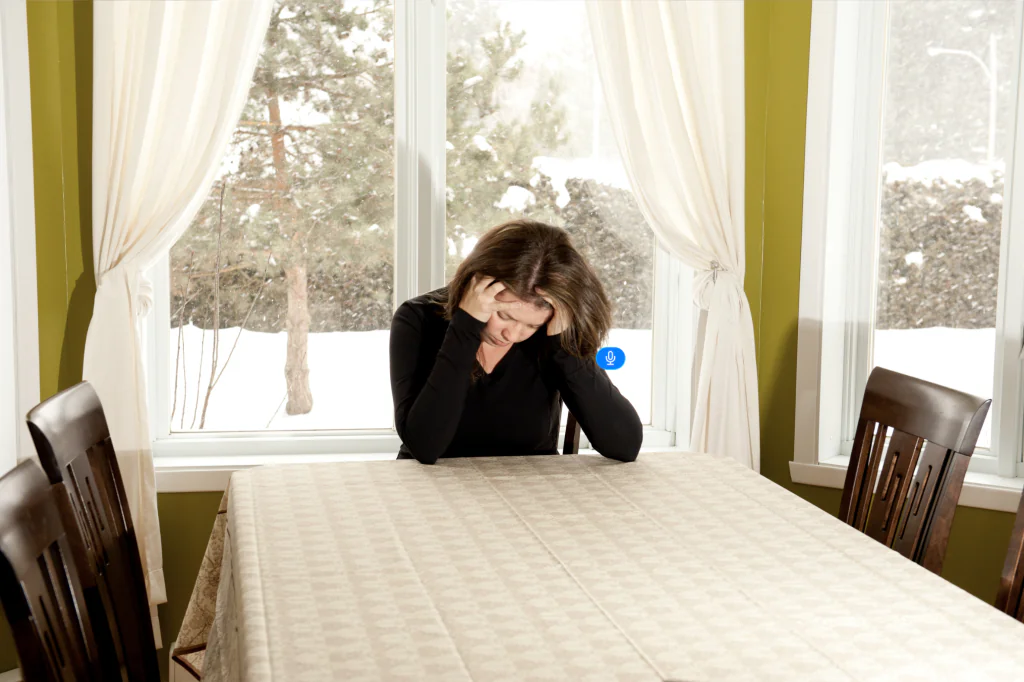
The kind of quiet where you walk into the house and nobody is there waiting for you. The kind where cooking dinner for yourself feels emotionally heavy. The kind where you stand at the kitchen counter eating random fast food because making a full meal for one feels depressing.
Sometimes you are not just grieving a person.
You are grieving:
- the emotional structure of your life
- the familiarity
- the routine
- the feeling of belonging somewhere
- the identity attached to being needed
That loss can feel brutal emotionally.
Loneliness After Divorce Triggers
Certain moments can intensify loneliness after divorce in ways people do not always expect.
Common triggers include:
- Walking into a quiet house
- Watching something funny with nobody to share it with
- Holidays and weekends
- Seeing old family memories online
- Hearing your own footsteps in an empty home
- Realizing nobody is checking in on your schedule anymore
- Cooking or eating alone
- Watching your children leave after parenting-time transitions
These moments can quietly make a woman wonder:
“Do I even matter the same way anymore?”
And honestly, that thought can feel devastating.
Loneliness After Divorce Can Become an Identity Crisis
This is the part people rarely talk about.
Eventually, loneliness after divorce can stop feeling like relationship grief and start feeling like identity grief.
And those are not the same thing.
Because after years of being someone’s wife, someone’s support system, someone’s mother, someone’s everything…
You can suddenly find yourself asking:
- Who am I now?
- What do I even enjoy anymore?
- What do I want?
- Who am I when nobody needs me the same way?
That kind of loneliness is deeper than most people realize because sometimes you are not only missing another person.
Sometimes you are missing yourself.
5 Ways to Feel More Grounded Again
1. Create Tiny Daily Structure
After divorce, life can suddenly feel emotionally untethered. Small routines help create stability again. Even simple things like morning coffee outside, a daily walk, or cooking one intentional meal can help your nervous system feel safer.
2. Stop Judging Your Loneliness
Many women think:
“I should be over this by now.”
But loneliness after divorce is not a sign of failure. Your entire life changed. Of course adjustment takes time.
3. Reconnect With Yourself Outside Your Old Roles
This season is not only about loss. It is also about rediscovery.
What do you enjoy now?
What feels meaningful to you now?
Who are you becoming underneath all the roles you carried for years?
4. Let Yourself Grieve the Life Structure
Sometimes you are not grieving the marriage itself as much as the structure of your old life.
That grief is valid.
Even when the divorce was necessary.
5. Build Connection Before You Feel Ready
Loneliness often tells women to isolate.
But healing usually happens in safe connection.
Not perfect connection.
Not huge social circles.
Just honest human connection.
Why Stillness Feels So Uncomfortable
Many women stay constantly busy after divorce – not because they are healed, but because stillness feels emotionally terrifying.
Stillness forces you to sit face-to-face with how unfamiliar your life suddenly looks.
And during that season, loneliness can start whispering painful things that are not actually true:
- Maybe I’m unwanted now
- Maybe I’m too old
- Maybe everyone else moved on except me
- Maybe this is just my life now
But loneliness distorts perspective.
Especially when your identity, routines, emotional security, and future all changed faster than your mind could emotionally process.
That is not weakness.
That is rebuilding.
A Question to Sit With
Instead of asking:
“Why do I feel so lonely?”
Try asking:
“Who am I becoming underneath all the roles I used to carry?”
Journal prompts:
- What parts of myself have I neglected for years?
- What actually brings me peace now?
- What do I miss about myself?
- What parts of my identity were tied to being needed?
- What would rebuilding look like if I stopped rushing it?
- What kind of life do I want to create moving forward?
Loneliness After Divorce and What to Remember
If you are experiencing loneliness after divorce, it does not mean you are failing.
It means your life changed deeply.
Of course the silence feels strange sometimes. Of course some nights feel heavy. And of course part of you still feels emotionally untethered.
Healing often begins the moment you stop judging yourself for struggling and start understanding why this season feels so emotionally difficult in the first place.
You are not behind.
You are rebuilding.
If you want support navigating divorce, identity loss, or starting over, you can explore my coaching resources, book a free clarity call, or subscribe to my YouTube channel for weekly conversations designed to help women move forward with more clarity, confidence, and courage.