
Feeling Alone in Marriage: Why Disconnection Starts Quietly

Feeling alone in marriage is one of the most confusing kinds of lonely. You’re still having conversations. Still living in the same house. Still doing life together. But something feels… off. Distant. Disconnected. Like you’re sitting right next to someone and somehow still by yourself. And the hardest part? It’s not loud. It’s subtle. It shows up in small moments that are easy to dismiss – until you can’t dismiss them anymore. Hi, I’m Andrea Daley. I help women navigate major life transitions with more clarity, confidence, and courage. And today I want to name something many women experience long before anything officially ends: feeling alone in marriage. What feeling alone in marriage can look like (the quiet signs) This isn’t always about fighting. Sometimes it’s the absence of connection. It can look like: Conversations that stay surface-level, even when you’re craving something deeper You stop sharing certain thoughts because you know they won’t land You go through an entire day and realize you didn’t feel truly seen once You start wondering, Does he even care? Or the question that hits harder than you expected: Do I even matter? When you’re feeling alone in marriage, you may not have one dramatic moment to point to. It’s more like a slow accumulation of tiny disconnects. Feeling alone in marriage often starts long before anything “ends” Here’s what makes this so confusing: from the outside, everything can still look fine. You might even still get comments like, “You two are such a great couple.” There’s no big event. No headline. No obvious “reason.” Which makes it even harder to talk about – because how do you explain feeling alone when nothing looks obviously wrong… but something is wrong? That’s why many women stay quiet about feeling alone in marriage. They don’t want to seem dramatic. They don’t want to overreact. They don’t even know how to name what’s happening. Watch the video: The Moment You Realize You Feel Alone in Your Own Marriage Prefer to listen? Watch the full video here, then keep reading for the written version and reflection questions. https://youtu.be/3eU9nCdtpOU Don’t forget to subscribe for weekly support. The internal conflict: “Am I overthinking this?” When disconnection starts quietly, a woman often turns the doubt inward. You may find yourself thinking: Am I overthinking this? Is this just a phase? Is this what long-term marriage turns into? Is this just what happens after all these years? I remember asking myself a version of that:Is this really what being with the same person for this many years ends up like? The psychologist in me knew couples can become more companion-like over time. But in my marriage, it didn’t feel like companionship. It felt like we were becoming strangers. And that’s a very specific kind of ache, feeling alone in marriage while still living side-by-side. When you stop brushing it off There’s a moment where something inside you stops minimizing it. Not a loud moment.More like a quiet truth: “No… this isn’t what I thought it would feel like.” And once you see it clearly, you can’t unsee it. That realization can be unsettling because it forces an honest question:If this is my normal now… can I live inside this forever? Why women ignore feeling alone in marriage for so long Most women don’t ignore it because they don’t care. They ignore it because life is full. You stay busy.You focus on the kids.You manage schedules.You keep the home running.You tell yourself it’s not a big deal. But feeling alone in marriage doesn’t usually disappear just because you stay productive. It sits there quietly… and over time, it can turn into resentment. Not because you’re trying to be resentful – because something in you has been hungry for connection for a long time. The slow realization that something has changed For me, I didn’t have one big moment. It was more like a slow realization, like our relationship had been on a downward stretch, like a roller coaster that just kept going down longer than it ever had before. And I kept thinking, It’s going to come back up. I tried things – on my own – and tried to get us to try things together. But something in me started to realize… this wasn’t turning back around. I remember having a really honest moment where I looked at the man I was married to and felt scared at the idea of growing old with him. That’s when it hit me:This wasn’t just a phase. Something had changed. And here’s the part I want to say clearly: feeling alone in marriage doesn’t mean you’re “too much” or “asking for too much.” It may simply mean you’re not being loved in the way you need. Gentle reflection if you’re feeling alone in marriage This isn’t advice. Just a gentle reflection. If you’re in your marriage and you feel alone, ask yourself: When did I start feeling less seen? What do I keep not saying because it won’t land? What am I needing that I’ve stopped hoping for? Have I accepted something as “normal” that still hurts? Because once you name it, you’re no longer trapped in the fog of confusion. Sometimes the first step isn’t fixing anything.It’s simply recognizing that something has changed. If you’re feeling alone in marriage and you don’t know what to do with that feeling yet, you don’t have to figure it out by yourself. You can book a free Clarity Call and we’ll talk through what’s going on and what you need most right now. If you’ve ever been feeling alone in marriage while still sharing a home, a schedule, and a life with someone… my friend, you’re not the only one. And you’re not imagining it. Sometimes the hardest part is simply admitting, quietly and honestly, that something has changed. If this resonated with you, I’d love for you to subscribe. I share conversations like this every week to help women navigate life transitions with more clarity,
Golden Scars: Why Broken Hearts Love More Deeply
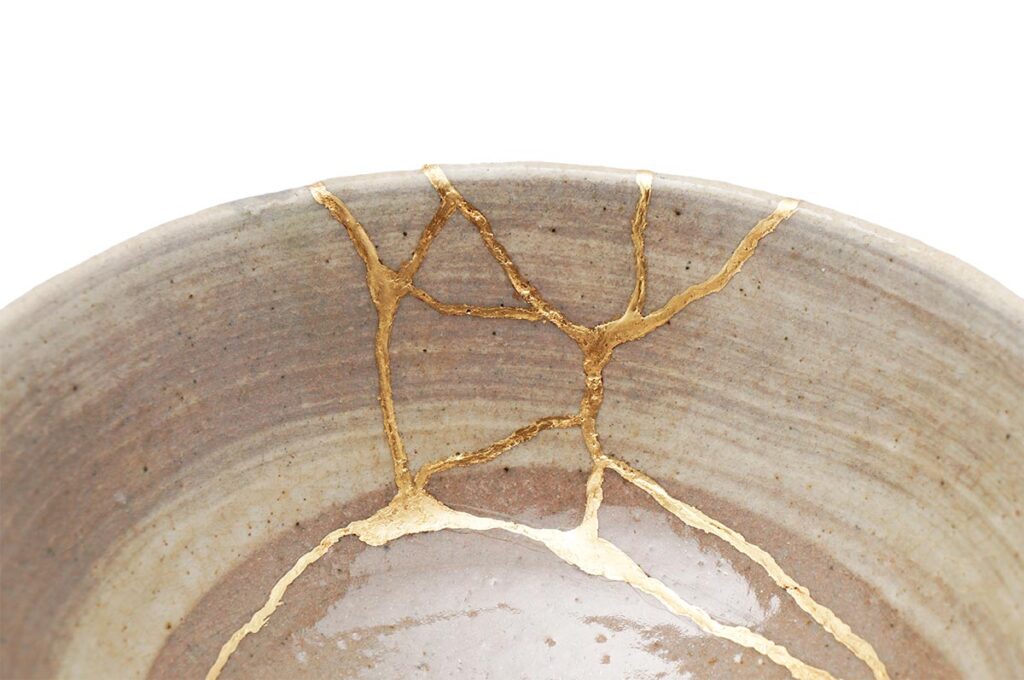
The Kintsugi Method of Healing After Divorce Kintsugi (金継ぎ, “golden joinery”) teaches us that our breaks can become our most beautiful features. Like precious gold filling the cracks of broken pottery, our emotional wounds—when properly healed—can transform us into something more valuable than before. This ancient Japanese art form doesn’t just repair what’s broken; it celebrates the history of the object, treating damage not as something to disguise but as an essential part of the item’s journey. My journey with love has followed a similar path—a process of breaking, mending, and ultimately emerging stronger through the golden veins of hard-won wisdom. The Foundation of Fractured Love fter three decades of marriage beginning at age 19, I discovered that leaving wasn’t simply walking away—it was carrying boxes of emotional baggage that required careful unpacking. Two and a half years post-divorce, I’m still discovering layers of clarity about how I was treated and who I became in response. Some realizations arrive like gentle whispers, others like thunderbolts that shake my understanding of those three decades. Growing up in a broken home without healthy relationship models, I approached marriage with logic rather than heart. I prioritized stability and the promise of family over compatibility and emotional connection. At 19, what did I truly know about love? Very little, it turns out. I knew only that I craved something steady to counter the chaos of my childhood—something that looked like the families I had envied from afar. Without realizing it, I had chosen a partner reminiscent of my father—someone who couldn’t love me in the ways I needed most. The signs were there during our early dating years: communication difficulties, emotional unavailability, and a tendency to prioritize his needs over mine. But I mistook these red flags for challenges I could overcome with enough patience and love. I believed I could unlock his heart over time, never questioning whether I was locking away parts of my own in the process. The Quiet Erosion What’s most insidious about unhealthy relationships isn’t always the dramatic conflicts—those at least announce themselves clearly. Instead, it’s the subtle forms of mistreatment that we gradually normalize, the small sacrifices of self that accumulate over years until we barely recognize the person in the mirror. When he proposed in Newfoundland, surrounded by icebergs and whales—a moment that should have been purely magical—part of me already knew we spoke different emotional languages. Yet I said yes, convinced that shared values around family would be enough. Nine months after our wedding came our first child, followed eventually by eight more. I had created the large family I’d always dreamed of, surrounded by people 24/7, never physically alone—and yet emotionally isolated in fundamental ways. The irony wasn’t lost on me: I had successfully avoided my childhood loneliness while recreating its emotional architecture. As children, we often gravitate toward the familiar, even when the familiar hurts. Without conscious intervention, we find ourselves rebuilding the very structures we sought to escape. The Awakening of Self-Worth It wasn’t until a simple question—”What compatibilities did you share with your husband?”—that the full realization hit me. I had never chosen based on compatibility. I had selected for stability, financial security, good genetics, and the promise of family. Love languages, emotional intimacy, shared joy—these were afterthoughts at best, luxuries I convinced myself I could live without. This is where generational patterns reveal their power. We inherit not just physical traits but relationship templates. My mother’s choices echoed in mine; my grandmother’s concessions lived on in my compromises. Breaking this inheritance required first seeing it clearly—recognizing that what I had accepted as “good enough” was actually starving my spirit. The awakening wasn’t sudden but cumulative. Small moments of disrespect became harder to dismiss. The contrast between how others were treated and how I was treated grew sharper. Eventually, the gap between the life I was living and the life I deserved became too wide to ignore. Breaking the Cycle: The Courage to Choose Differently The real transformation began when I finally broke this dysfunctional pattern. Meeting a man who genuinely cherishes me has illuminated an unexpected challenge: learning to accept authentic love feels foreign and sometimes frightening. This new relationship serves as both mirror and catalyst, reflecting back to me all the ways I had adapted to emotional scarcity. My neural pathways, conditioned to emotional neglect, resist this unfamiliar abundance. There are moments when I instinctively retreat toward familiar coldness rather than lean into the warmth being offered. Like a Pavlovian response, my mind questions what is good and true when faced with genuine affection. “Is this real?” I wonder. “What does he want in return?” These questions arise unbidden, products of decades spent in transactional affection rather than unconditional love. The most profound revelation has been discovering that receiving love requires as much courage as giving it—perhaps more. To be truly seen, valued, and cherished demands a vulnerability I had carefully armored against. Each gesture of authentic care requires me to dismantle another brick in the wall I built to survive. The Neurological Rewiring What makes this journey so challenging is that we’re not just changing behaviors—we’re literally rewiring neural pathways. Our brains, efficiency machines that they are, establish well-worn routes for processing emotions and interactions. When someone treats us with unexpected kindness after years of indifference, our brains sound alarm bells rather than celebration. This neurological resistance manifests in surprising ways: sudden irritation at thoughtful gestures, inexplicable distance after intimate moments, or the persistent feeling that something must be wrong when everything is finally right. Psychologists call this “resistance to positive change,” and it’s a common experience for those transitioning from dysfunctional to healthy relationships. Understanding this biological reality has been crucial to my healing. The discomfort I feel isn’t evidence that the new relationship is wrong—it’s evidence that my protective systems are working exactly as they were programmed to during years of emotional survival. Recognizing this allows me to observe these reactions with compassion rather than acting
Rediscovering Love After 50: A Journey of Self-Renewal and
Authentic Connection

The Unexpected Path to Romance: My Story of Returning to Dating After 36 Years Love, when I first stepped back into the dating world, I felt like a time traveler. The last time I’d been single, cell phones didn’t exist, “swiping right” meant nothing, and meeting someone typically happened through mutual friends or chance encounters. Now, at 50, I was navigating a completely foreign landscape of digital dating, complicated relationships, and personal growth I never anticipated. The Landscape of Midlife Dating: Nothing Like You Remember Dating in your 50s is fundamentally different from dating as a young adult. It’s not just about finding a partner – it’s about finding yourself, understanding your needs, and creating meaningful connections that align with your evolved sense of self. The Digital Dating Dilemma When I first downloaded dating apps, I felt like I was learning a new language. Profiles, swipes, messaging etiquette – it was overwhelming. Gone were the days of organic meetings. Now, potential romance lived in the palm of my hand, filtered through carefully curated digital personas. The learning curve was steep. I quickly realized that dating apps weren’t just a tool for meeting people – they were a mirror reflecting my own expectations, fears, and growth opportunities. Unpacking Emotional Baggage: My Unexpected Revelation The most profound lesson came unexpectedly. I discovered I was subconsciously attracting the same type of partner I’d spent 36 years with – a narcissist. The chaos felt familiar, comfortable. But comfort isn’t synonymous with health or happiness. This revelation was my turning point. I realized that dating wasn’t about finding someone to complete me, but about understanding myself completely. Practical Wisdom: Navigating Midlife Dating with Confidence 1. Keep It Light and Low-Pressure Pro Tip: Coffee dates are your best friend. They’re: Short (easy exit strategy) Public (safe) Low commitment Perfect for initial chemistry check Dinner dates can feel like a marathon when there’s no connection. Save those for when you’re genuinely excited about spending time together. 2. Trust Your Intuition You’ve lived half a century. Your intuition is a finely tuned instrument. If something feels off in the first few minutes, honor that feeling. You don’t owe anyone your entire evening. 3. The Exit Strategy Always have a “backup call” friend. Someone who can rescue you if the date isn’t going well. No guilt, no explanation needed. 4. Authenticity is Your Superpower In your 50s, pretending is exhausting. Be unapologetically you. The right people will be drawn to your authenticity. 5. Redefine Fun Dating isn’t a job interview. It’s an opportunity for adventure: Try unique date locations Share experiences Laugh often Stay curious The Emotional Journey: More Than Just Dating Dating after a long marriage is about so much more than finding a romantic partner. It’s a journey of: Self-discovery Healing Personal growth Rebuilding confidence Learning to love yourself fully Understanding Emotional Baggage Everyone brings luggage to relationships. The key isn’t having no baggage – it’s how you handle it. Are you: Working on personal growth? Healing from past wounds? Open to learning? Willing to be vulnerable? Red Flags and Green Lights Red Flags to Watch For: Unwillingness to discuss personal growth Constant victim mentality Inability to take responsibility Controlling behaviors Lack of emotional intelligence Green Lights to Celebrate: Emotional availability Mutual respect Shared values Genuine curiosity about you Commitment to personal development The Ultimate Truth: You Are Enough Remember, dating at 50 isn’t about desperately finding someone. It’s about celebrating who you are, enjoying connections, and remaining open to possibilities. Your worth isn’t determined by your relationship status. You are complete, vibrant, and powerful – with or without a partner. Final Thoughts Embrace this chapter with: Courage Humor Self-love Openness Patience Dating after 50 isn’t a consolation prize. It’s a celebration of your journey, resilience, and continued capacity for love and connection. Are you ready to write your next beautiful chapter? *Andrea & Ben on a scuba dive date Take the 5 Love Languages Quiz HERE
Mindful Parenting Through Divorce: Navigating Parenthood with Presence
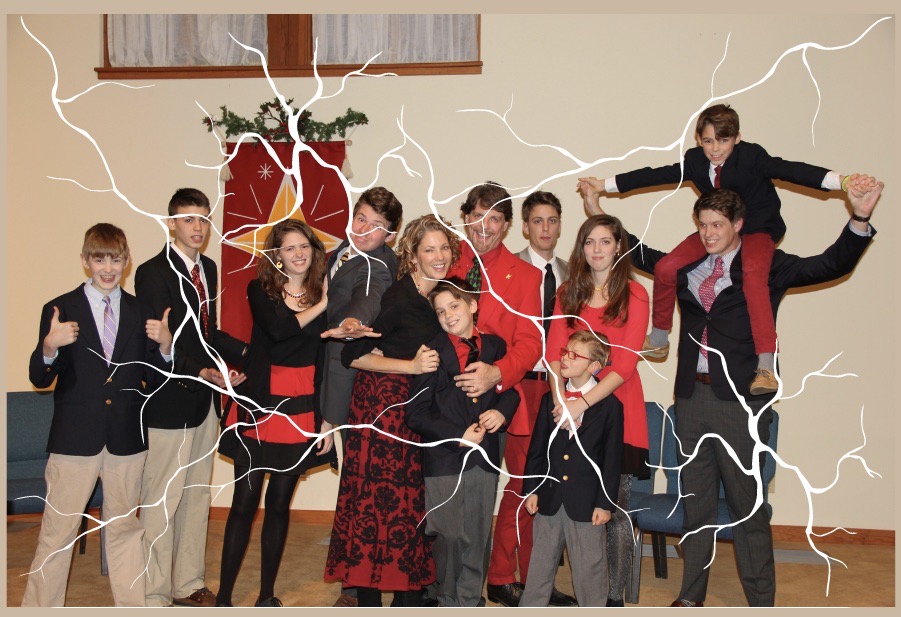
Divorce has proven to be one of the most formidable challenges I’ve ever encountered. Three decades ago, when I made the life-altering decision to leave my career and dedicate myself to raising and home-educating my nine children, I could never have predicted that parenting would become my life’s central focus. I became deeply involved in every facet of their lives, available to them around the clock. I served as the linchpin of our family, guiding us through the journey of parenthood. For thirty years, this was my full-time occupation. I couldn’t even find a moment to use the bathroom or have a quiet moment to myself. So, when separation came, it felt as if I had been suddenly terminated from a job I had given my all to, without any benefits. The loss of my marriage was a heavy burden to bear, and I embarked on a quest to rediscover my identity as an individual. Moreover, I had to redefine my role as a mother, one who now only saw her children 50% of the time. I was clueless about what it meant to thrive through divorce. The first time my children left for shared visits with my ex, it left me feeling incomplete, as if a part of me was missing. The idea of parenting part-time felt unnatural, and I carried an overwhelming sense of guilt, believing that I was somehow damaging my children in the process. What I failed to realize then was that my children were also grappling with the loss of the only mother they had ever known. They had to adjust to the new version of me – a woman who was no longer a constant presence in their home and was beginning to prioritize herself. This adjustment was a lengthy and arduous process for all of us. Even after two and a half years, it doesn’t entirely feel natural, but I’ve learned to accept that it’s okay because each of us is exactly where we need to be on our individual journeys. Before the divorce, I successfully navigated the emotional rite of passage of five children leaving the nest. However, being a single parent brought a new level of insecurity. I no longer felt confident in my parenting skills, particularly when dealing with my teenagers. Previously, I never worried about whether my children liked me; I was secure in my role as their mother, not their friend. I was certain that my firm yet nurturing approach would contribute to their personal growth, and in time, they would come to respect and appreciate me for it. I took solace in the belief that our relationship would come full circle. This approach had worked with my first five children, who had thrived during their young adult years before the divorce. After the separation, I still had four boys between the ages of 12 and 18 to raise, but now I was doing it part-time. Unfortunately, due to the collateral damage of the divorce and my ex-spouse’s negative influence, I felt insecure in these relationships. I felt as if I were in competition with their father, who represented the comfort, security, and fun of their childhood home, while I was just the “boring vacation” destination, five hours away. I yearned for positive attention from my children and wanted them to genuinely want to spend time with me. Faced with these challenges, I had two choices. I could either accept the way things were and make peace with it, or I could transform my new parenting role into a gift and discover the opportunities it presented. Once I realized that I had the power to choose, it became easier to let go. Both options were wise paths, offering the potential for inner peace. I decided to explore the opportunities within my situation. In this new parenting role, I discovered the ability to step back and be less judgmental and controlling in my approach. I learned to relax and enjoy my kids without constantly focusing on training and micromanaging them, which had often caused me stress. This positive shift in my perspective spilled over into my relationships with my older children as well. However, that doesn’t mean I didn’t experience moments of hurt and frustration. There are times when I still struggle with the feeling that my ex-spouse is benefiting from all the hard work, sacrifices, and dedication I poured into our family. But when those thoughts arise, I remind myself of my first sage option – to accept that this is the way things are for now and make peace with it. I acknowledge that it is my choice, and I consciously let go of the hurt, embracing acceptance instead. This allows me to experience calm emotions rather than stress and unhappiness. Sometimes that’s the best we can do – acknowledge that we are exactly where we are meant to be on our individual journeys. Our journeys won’t look like anyone else’s because they are uniquely ours. And that, my friend, is something to embrace wholeheartedly. Maintaining a positive relationship with your ex for the benefit of your children is crucial for their well-being. Here are 12 tips on how to get along with your ex: 1. Prioritize Communication: Open and honest communication is key. Share information about your children’s lives, including school events, health updates, and extracurricular activities. 2. Set Boundaries: Establish clear boundaries regarding your roles and responsibilities as parents. Define expectations for each parent’s involvement in decision-making and daily routines. 3. Put Children First: Always prioritize your children’s needs over personal conflicts or differences. Keep their best interests at the forefront of your decisions. 4. Respect Each Other: Show respect to your ex-spouse, even if you disagree on certain matters. Avoid negative comments or criticism in front of the children. 5. Consistency Is Key: Try to maintain consistent rules and routines between both households. This helps children feel secure and reduces confusion. 6. Cooperate on Discipline: Work together to enforce consistent discipline methods. Discuss
Social Connection and Relationships: Play a Role in Happiness
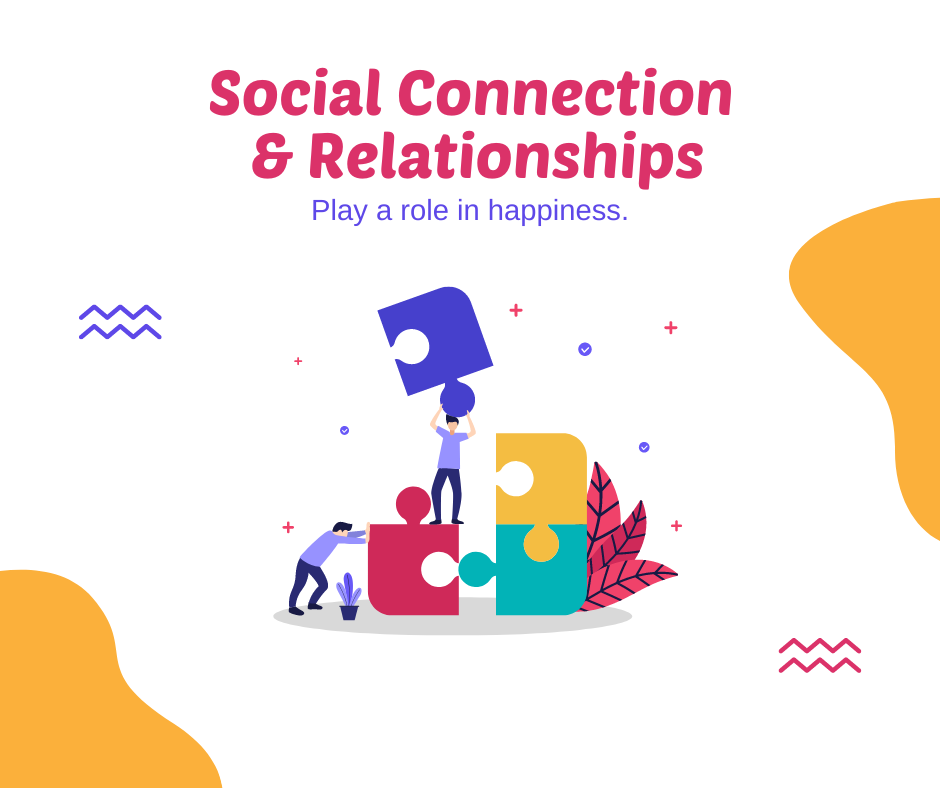
“Let’s Talk Fun and Connection! Hey there, fabulous human! Did you know we’re wired for social connection? Yep, it’s like a superpower we all have. Think about it – we’re social creatures craving those awesome bonds with others. Whether it’s with your BFF, your partner-in-crime, your family, or your gang of buddies, these connections are like happiness boosters! So, let’s dive into this world of social mojo and good vibes! Unleash the Power of Social Connection Imagine a world where every friendship, every high-five, and every heart-to-heart talk adds a sprinkle of happiness to your life. That’s what we’re talking about – the magic of social connection. It’s like a cozy hug for your soul that comes in all shapes and sizes – from coffee dates to family reunions to saving the day together. Growing up, I was a lone wolf in a wild world, learning the art of friendship. Let’s just say, as an only child, it was a journey. I had to put on my authenticity cape and learn to be the best sidekick I could be, which I really didn’t truly learn until I was into my adult relationships. It was all about breaking free from those old patterns and turning ’em into something amazing. Fast forward to today, and I’m all about sharing that wisdom. Roots of Happiness Guess what? Science says our happiness is deeply connected to how tight we are with our squad. Friends, fam, and all the good vibes – they’re like happiness multipliers. They’re not just there for the good times; they’ve got your back when things get tough too. You know what’s super cool? Having a partner who’s like your happiness wingman. Research shows that having a supportive romantic sidekick can totally level up your joy game. And don’t forget the fam – they’re like your forever cheerleaders, and keeping those ties strong is like giving your happiness a turbo boost! Community Chronicles Wanna write your happiness story? Get out there and join the community carnival! Volunteering, clubs, and team adventures – they’re all tickets to connecting with folks who dig the same stuff you do. It’s like finding your happiness tribe, and together, you’re painting the town with joy! Tough Times, Super Friends Life isn’t all rainbows and sunshine, right? We all have those days when we could use a superhero squad. Well, good news – your connections are your cape and shield! Remember when the world was hit with the mega plot twist called COVID-19? Yep, social connections were the secret weapon against isolation blues. They’re like a hotline to happiness when things get bumpy. Boost Your Resilience Did you know that strong connections can make you a stress-busting ninja? It’s true! Having pals who’ve got your back can seriously dial down those stress levels. Plus, a sprinkle of social support can make you as happy as a kid in a candy store. Mission: Build Awesome Relationships Okay, here’s the deal – relationships are like gardens. You gotta water ’em with time and effort. From sending a quick ‘hi’ text to sharing funny Snaps, every little bit counts. But remember, it’s quality over quantity. Keep an eye out for any toxic weeds that might be choking your garden – you deserve happiness blooms, not gloom! My Unconventional Adventure So, get this – my marriage was a rollercoaster ride. But you know what? I turned that ride into my personal joy journey. From giving everything to raise my nine children to finally finding my true self, the road was wild. And you know what? That’s okay! Sometimes we have to hit pause and rewrite our story, finding joy beyond what we knew. Elevate Your Happiness Quotient Let’s wrap this up with a little secret: happiness is all about connection. Your social connections are the glue that holds your happiness puzzle together. So, go on, be a happiness architect! Invest time, sprinkle a little love, and let the good vibes flow. And hey, remember, your happiness is totally worth the effort. Stay awesome, you connection magician!”
Regaining Control: Navigating Emotional Triggers Post-Divorce

Ever felt like your emotions have a mind of their own? Like they wait for the worst possible moment to show up and hijack your day? Yeah, me too. Picture this: A few weeks back, I was all set to celebrate my son’s graduation from the Marines. Big day, right? The party was at a rental house arranged by my ex. The kids were staying with him, and I was just there to join in on the fun. Or so I thought. The moment I walked through that door, my emotions went full popcorn mode—scattering everywhere. I tried to gather them up, but it was like herding cats. Suddenly, I was no longer in control. I felt like an outsider in a family I once built. Then, BOOM! Fight or flight kicked in. I had to get out of there. After a quick hug with my son and a whispered “I can’t stay,” I dashed to my car. Sitting in the driver’s seat, I felt shattered. Tears streamed down my face. I questioned everything—my choices, my abilities as a mom. How did this happen? What kind of mother was I? For years, I’d been the rock for my family. But in that moment, I was emotionally hijacked. I couldn’t spend another three hours in that emotionally charged house. Sound familiar? Divorce does that to you. Emotions sneak up when you least expect them, throwing all your plans into chaos. So, what do you do? Here’s the Game Plan: Therapy or Counseling: Trust me, it helps. Self-Reflection: Know thyself, right? Emotional Coping Mechanisms: Find what works for you—journaling, meditation, a good cry, whatever. Build Your Dream Team: Friends: Find your tribe. Support Groups: You’re not alone. Mentors: They’ve been there, done that, got the T-shirt. Set Realistic Expectations: Healing isn’t a straight line. Expect setbacks. Give yourself permission to feel. It’s okay to be human. Embrace self-compassion. You’re doing your best. Regaining Control… Divorce is a rollercoaster. Emotional turbulence? Totally normal. It’s not a sign of weakness—it’s a sign you’ve loved deeply and lived fully. Tips for the Journey: Build a Support Network: Lean on trusted friends, family, and professionals. Share Your Struggles: Vulnerability is strength. Equip Yourself With Coping Mechanisms: Therapy, meditation, journaling, exercise—whatever helps you find balance. Be Patient and Compassionate With Yourself: Divorce is transformative. It takes time to rebuild. Remember, emotional hijackings aren’t failures. They’re opportunities to grow, reflect, and build resilience. In the end, this journey—your journey—is uniquely yours. Embrace it. Prepare for it. And know that each emotional wave you navigate brings you one step closer to reclaiming your peace. You’ve got this.