
Navigating the Waters of Mindfulness: Exploring the Nature of Truth

In a fast-paced world where our attention is constantly pulled in multiple directions, mindfulness has emerged as a powerful tool for grounding ourselves and understanding the complex concept of truth. Here I will take you on a journey through the depths of mindfulness and lead you to an exploration of what truth means in our lives. The Mindful Path Mindfulness is a practice that has gained immense popularity in recent years, and for a good reason. It offers us the opportunity to tune in to the present moment, silencing the chaos of our minds and the distractions of the external world. But what is mindfulness, and how does it relate to the elusive concept of truth? At its core, mindfulness is the art of being present, fully engaged in the here and now. It’s about observing without judgment, acknowledging your thoughts and feelings without trying to change them. It’s a practice of radical acceptance of what is. And through this acceptance, mindfulness opens a window to the deeper truths of our existence. In a society dominated by the relentless pursuit of goals and the relentless chatter of our thoughts, the practice of mindfulness allows us to step off the hamster wheel, if only for a moment, to simply observe and breathe. It’s the act of detaching from the incessant noise and embracing the tranquility of the present. And in this stillness, we find the space to explore what is true. Truth as Perceived Reality To grasp the concept of truth, we must first recognize that it is a complex and multifaceted idea. Truth can be seen as a reflection of our perceived reality. In other words, it’s the lens through which we view the world and make sense of our experiences. Mindfulness allows us to become intimately acquainted with our perceived reality. It invites us to observe our thoughts, emotions, and sensations as they arise. When we’re mindful, we’re not judging these experiences as right or wrong; we’re simply acknowledging their presence. This practice leads us to an important realization: our perceived reality is not a single, fixed truth but a collection of ever-changing perspectives. Imagine sitting by a lake, watching the water’s surface. This analogy captures the essence of mindfulness. When you observe the ripples and reflections, you’re seeing the interplay of various forces—wind, light, and the lake’s depths. Each moment offers a different view, just as each thought, emotion, or sensation we experience contributes to our perceived reality. The truth, in this context, is an ever-shifting mosaic. The Illusion of Absolute Truth Mindfulness serves as a gentle reminder that the pursuit of absolute truth can be an elusive endeavor. Absolute truth, if it exists, would be unchanging and universally applicable. But the reality we observe is in a constant state of flux. What is true for one person in a particular moment may not be true for another. Mindfulness helps us let go of the need for an ultimate truth. It encourages us to embrace the notion that our experiences, thoughts, and emotions are valid without needing to conform to an external standard of truth. It allows us to recognize the beauty in the ever-evolving tapestry of our lives. The great Zen teacher Shunryu Suzuki once said, “In the beginner’s mind, there are many possibilities, but in the expert’s mind, there are few.” This quote reflects the mindfulness concept of “beginner’s mind.” When we approach life with a beginner’s mind, we let go of preconceived notions and fixed beliefs about what is true. We become open to the limitless possibilities and interpretations that exist in each moment. Truth and Self-Discovery As we deepen our mindfulness practice, we come to realize that one of the most profound truths we can uncover is the truth about ourselves. In a world that often defines us by external standards and expectations, mindfulness offers a gateway to self-discovery. When we sit in mindful awareness, we can observe the layers of conditioning, beliefs, and masks we’ve accumulated over the years. We become aware of the stories we tell ourselves and the narratives that shape our perception of reality. In doing so, we discover that our self-identity is a fluid construct, not an unchanging truth. Through mindfulness, we can explore our inner landscape with curiosity and compassion. We learn that our perceived limitations and self-imposed boundaries are not ultimate truths but constructs of our own making. We peel away the layers of false self to uncover the authentic, unfiltered truth that resides within. The renowned mindfulness teacher Jon Kabat-Zinn describes mindfulness as “the awareness that arises through paying attention, on purpose, in the present moment, non-judgmentally.” This awareness extends to our own inner world, enabling us to observe our thoughts and emotions without judgment. It’s in this non-judgmental space that we come face to face with our inner truths, both light and shadow. Mindfulness and the Search for Truth in Relationships Truth also plays a crucial role in our relationships with others. Here, mindfulness can be a transformative force, fostering authentic connections and communication. In our interactions with loved ones, colleagues, or acquaintances, we often encounter differing perspectives and perceptions. These differences can lead to misunderstandings and conflicts. Mindfulness equips us with the tools to navigate these situations with empathy and understanding. When we practice mindfulness, we listen more attentively. We hear not only the words spoken but also the emotions underlying them. We become aware of our own reactions and judgments, which allows us to respond thoughtfully rather than reactively. In this way, we can bridge the gap between different truths and find common ground. In the realm of relationships, truth takes on a dynamic quality. It’s not a fixed point but a process of ongoing communication and understanding. As we engage in open, honest, and non-judgmental dialogues with others, we move closer to a shared truth, even though it may never be absolute. The Connection Between Mindfulness and Ethical Truth The search for truth extends beyond our personal experiences and relationships; it
Transforming Habitual Reactivity

Introduction: The Power of Awareness in Reactivity Life is full of moments that test our ability to remain composed. These tests often come in the form of triggers—emotional, psychological, or even physical prompts that provoke an automatic response from us. Whether it’s anger at a criticism or anxiety from an unexpected challenge, our natural reaction is usually set on autopilot. But what if we could change the settings? What if we could pause, observe, and choose a response that aligns with our aspirations rather than our instincts? This blog delves into the transformative process of moving from habitual reactivity to skillful response. Understanding Triggers and Habitual Reactions Triggers are unique to each individual; they are the specific situations, words, or people that evoke a strong emotional response. This response can manifest as a tightening in the chest, a rush of heat, or an impulsive urge to act. It’s akin to touching a hot stove—the reaction is immediate and often without thought. For many, habitual reactions are the default settings—ingrained through past experiences and reinforced through repeated action. When criticized, a person might instinctively lash out or withdraw. When faced with disappointment, another might turn to substance abuse or binge eating. These behaviors, while momentarily comforting or relieving, often lead to negative outcomes and perpetuate a cycle of reactivity. Breaking the Cycle: The Role of Mindfulness The key to altering these reactive patterns lies in the practice of mindfulness. Mindfulness involves maintaining a moment-by-moment awareness of our thoughts, feelings, bodily sensations, and surrounding environment. It encourages an attitude of non-judgment and acceptance, allowing us to observe our triggers and habitual reactions without immediately succumbing to them. Step-by-Step Approach to Mindful Response Identification: The first step is to identify your triggers. What situations, words, or people make you feel out of control or overly emotional? Recognizing these helps you anticipate and prepare for your reactions. Observation: When a trigger occurs, instead of reacting, try observing your response from a place of curiosity and neutrality. What physical sensations do you notice? What emotions are surfacing? Observing distances you from the immediacy of the reaction and begins to weaken the automatic nature of the response. Pausing: Give yourself a moment to pause. This doesn’t have to be long—just a few breaths can create enough space for you to choose how you wish to proceed rather than plunging into habitual behavior. Choosing: In the space created by your pause, decide how you will respond. This choice should align with your goals and values. Ask yourself, “What response would be most helpful in this situation?” This is the moment of transformation—where you shift from reacting to responding. Acting: Finally, act on the choice you’ve made. This might involve expressing your feelings in a calm and assertive manner, choosing to walk away, or engaging in an activity that helps you de-stress. Challenges and Rewards The journey from reactivity to response is not without its challenges. Old habits are deeply ingrained, and the brain’s default response is often the path of least resistance—reacting in the familiar way. However, the rewards of this transformation are significant. By responding rather than reacting, you gain control over your emotional state, reduce stress, improve relationships, and generally enhance your quality of life. Embracing the Path of Transformation Pema Chödrön once said, “Let difficulty transform you. And it will. In my experience, we just need help in learning how not to run away.” By embracing the difficulties and using them as opportunities for growth, we transform our experiences from reactive to responsive. This doesn’t mean eliminating emotions or reactions, but rather choosing how we engage with them. Through mindfulness and practice, we can shift from being at the mercy of our triggers to being thoughtful architects of our responses. This journey is about becoming more conscious of our actions and reactions, leading to a life where each moment is met with intention and grace. By investing in these skills, we not only improve our own lives but also contribute to the well-being of those around us, creating a ripple effect of mindfulness and intentionality.
The Magic of Positive Reframing

Let’s dive deeper into the art of Positive Reframing and how it can be a game-changer in your quest to conquer worry and transform it into a constructive force in your life. 🚀 The Worry Wonderland ❄️ Imagine your mind as a wonderland, vast and filled with endless paths. Some paths are sunny and lined with flowers, while others, the worry paths, are a bit more shadowed and icy. Every time we tread down these worry paths, they become more familiar, and we find ourselves walking them without even trying. But what if we could redirect ourselves onto sunnier paths with a little bit of effort? The Magic of Positive Reframing 🎩✨ Positive Reframing is like having a magical map that shows hidden pathways in your worry wonderland, leading you to brighter, more hopeful destinations. Step 1: Spot the Worry Tracks 🕵️♂️ The first step in our adventure is to become an expert tracker. Spot those worry tracks early on. When a negative thought emerges, visualize it as a physical path in your wonderland. Recognizing it is the first step to choosing a different route. Step 2: The Reframing Ritual 🔄 Once you’ve spotted the worry track, it’s time for the reframing ritual. This involves questioning the validity of your worries and actively seeking a more positive or neutral perspective. Ask yourself questions like: “What evidence do I have that supports or contradicts this worry?” “How would I advise a friend who had this same thought?” “Is there a more positive or productive way to view this situation?” Step 3: Discover the Hidden Lessons 📚 Every worry path hides valuable lessons. Maybe that uncomfortable conversation you keep replaying taught you the importance of empathy or the value of thinking before you speak. These lessons are the treasures of your wonderland, turning regret into wisdom. Step 4: Crafting New Paths 🏗️ With every positive reframe, you’re building new paths in your wonderland. These paths are paved with intentions and actions that stem from your reframed thoughts. If you’re worried about a past interaction, maybe your new path involves practicing clear communication or setting boundaries. The Role of Positive Actions 🛤️ Positive actions are the bridges between thoughts and tangible change. They solidify the new paths you’ve created through reframing. For instance, if you’re concerned about a mistake at work, instead of spiraling into worry, use positive reframing to see it as a growth opportunity. Then, take action by seeking feedback or further training. Embracing the Journey 🌈 This journey through your wonderland is ongoing. Each day offers new opportunities to practice positive reframing and to choose which paths you’ll walk. Some days, the worry paths may seem irresistibly well-trodden, but remember, every step on a new, positively reframed path strengthens it, making it easier to choose next time. The Community of Fellow Travelers 👫 Remember, you’re not wandering this wonderland alone. Sharing your experiences with friends, family, or a supportive community can make the journey lighter and more enjoyable. They can offer new perspectives on your worries and help you see the hidden lessons and opportunities for growth. Your Ever-Evolving Wonderland 🌟 As you continue to practice positive reframing, your wonderland will transform. Paths that once led to worry will become overgrown, while your new, positive paths will become wide, well-lit avenues leading to personal growth, resilience, and happiness. So, are you ready to lace up your boots and start exploring the wonderland of your mind with the map of Positive Reframing in hand? Every step you take is a step away from worry and towards a more empowered, optimistic you. Let’s embark on this transformative journey together, creating a life filled with more joy, less worry, and endless possibilities for growth. 🌍✨ Together, we can turn our worry wonderland into a thriving landscape of positivity, action, and growth. Let’s reframe, act, and flourish in the face of life’s challenges. Who’s ready to journey down this path of positive transformation?
Taming the Mind Chatter: A Path to Inner Peace and Clarity

In the fast-paced world we live in, our minds are constantly bombarded with thoughts, worries, and distractions. This inner turmoil, often referred to as “mind chatter,” can leave us feeling overwhelmed and disconnected from our true selves. As a mindfulness life coach, I’ve seen firsthand how mind chatter can affect our well-being and hinder personal growth. In this blog, we’ll explore the concept of mind chatter, its causes, and most importantly, strategies to quiet the noise and cultivate a more peaceful and focused mind. What is Mind Chatter? Mind chatter, also known as “monkey mind” in Buddhist teachings, refers to the constant stream of thoughts that flood our minds. These thoughts can be anything from everyday concerns and to-do lists to anxieties about the past or future. Mind chatter often feels like an endless, chaotic narrative that distracts us from the present moment and makes it difficult to concentrate or find inner calm. Your roving mind will be your biggest hindrance to meditating. You will be subjected to what appears to be an incessant, absolutely uncontrollable stream of thought. In the Zen meditation tradition, this is called watching the waterfall – that perpetual Niagara Falls gushing out of your mind. FUN FACTS: your brain is a… 3 pound universe that processes 70,000 thoughts each day using 100 billion neurons, that connect to more than 500 trillion points through synapses that travel 300 miles an hour! And you wonder why it’s challenging to be fully present in the moment! Your personal Niagara Falls is and has always been there. You’re just too busy drowning under it to notice it! The roving mind is in every one of us, 24/7. The mind is a perpetual thought machine whose sole job is to think. It’s a loyal worker who will never let you down. We can’t suppress thinking. But we can try to surpass it. Causes of Mind Chatter Stress and Anxiety: One of the primary triggers of monkey mind is stress and anxiety. When we’re stressed, our minds tend to race as we worry about various aspects of our lives. Overthinking: Overthinking situations, decisions, or conversations can lead to an endless loop of thoughts, contributing to monkey mind. Multitasking: Living in a world that encourages multitasking can make our minds juggle multiple thoughts simultaneously, leading to mental clutter. External Stimuli: Constant exposure to external stimuli like smartphones, social media, and news can overwhelm our minds with information and opinions. Unresolved Emotions: Past traumas or unresolved emotions can resurface in the form of intrusive thoughts, adding to the mind chatter. Strategies for Quieting Mind Chatter Mindfulness Meditation: Mindfulness meditation is a powerful tool for taming mind chatter. By focusing on the breath and observing thoughts without judgment, we can create distance from the noise in our minds. Breath Awareness: Whenever you notice monkey mind taking over, take a few deep breaths. This simple act can help you recenter and calm your racing thoughts. Mindful Walking: Engaging in mindful walking, where you pay attention to each step and your surroundings, can help ground you in the present moment and reduce mind chatter. Journaling: Writing down your thoughts and feelings in a journal can provide an outlet for the mind chatter. It helps you acknowledge and release what’s on your mind. Limit External Stimuli: Reduce exposure to constant external stimuli by setting boundaries with technology and spending time in nature or quiet environments. Yoga and Body Awareness: Yoga combines movement and breath awareness, which can help quiet the mind and reduce stress. Affirmations: Using positive affirmations can redirect your thoughts towards more constructive and uplifting patterns. Mindful Listening: Practice truly listening when in conversations rather than planning your response in your mind. This can reduce mental clutter. The Benefits of Quieting Mind Chatter Quieting monkey mind offers numerous benefits. It can enhance mental clarity, improve focus and concentration, reduce stress and anxiety, and lead to a greater sense of inner peace. As a mindfulness life coach, I’ve witnessed how clients who learn to manage their mind chatter often experience improved overall well-being and a deeper connection with their inner selves. Mind chatter is a common challenge in today’s busy world, but with mindfulness and practice, it can be tamed. As a mindfulness life coach, I encourage you to explore these strategies and find what works best for you. Remember that it’s a journey, and there’s no need for perfection. By embracing mindfulness and taking steps to quiet the noise in your mind, you can cultivate a more peaceful and focused life, allowing your true self to shine through.
Unlocking the Magic of Self-Reflection: Discovering the Hidden Treasures Within You
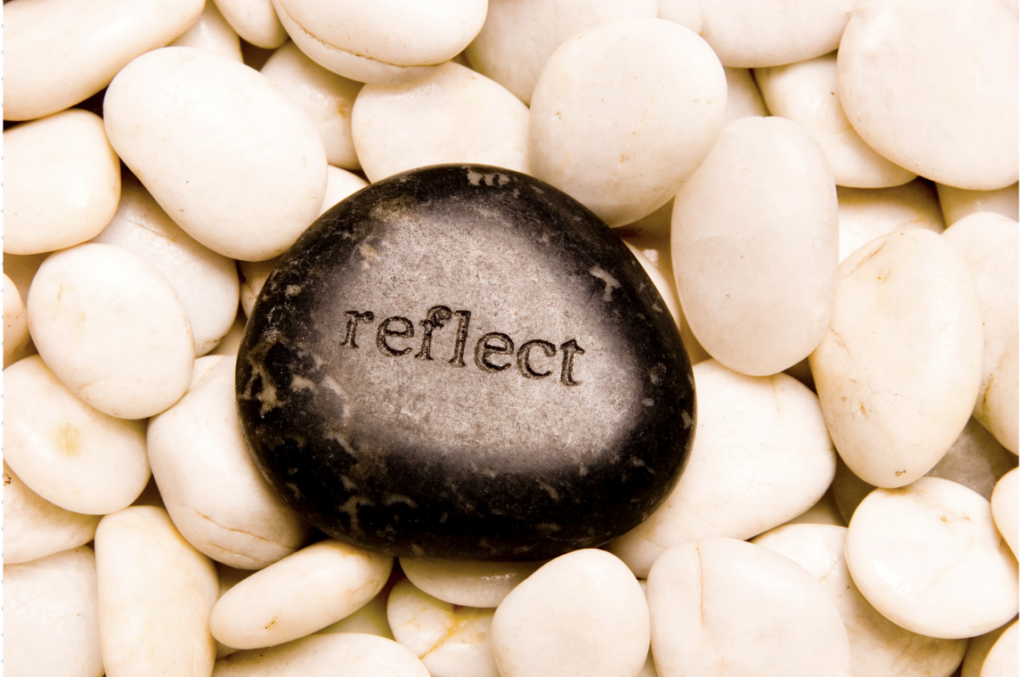
Hey there, seekers of inner wisdom! Today, we’re going to embark on a journey of self-discovery and delve into the fascinating world of self-reflection and insight. Get ready to unleash your inner Sherlock Holmes and uncover the hidden gems within yourself! 🕵️♂️✨ What’s the Hype About Self-Reflection? Self-reflection isn’t just some buzzword floating around in the realm of mindfulness. It’s a powerful tool that allows you to gain a deeper understanding of yourself and the world around you. Think of it as your own personal compass, guiding you through the twists and turns of life. The Mirror of Mindfulness Imagine a mirror that not only reflects your physical appearance but also reveals your thoughts, emotions, and desires. That’s precisely what self-reflection is – a mental mirror that reflects your inner landscape. Start by finding a quiet space where you won’t be disturbed. Close your eyes, take a few deep breaths, and let your mind settle. As you begin to reflect, consider these questions: 1. Who Am I, Really? This is the million-dollar question. Who are you beyond your name, job, or roles in life? Peel away the layers, and you might discover that you’re not just a ‘mindfulness life coach’ or a ‘software engineer.’ You’re a complex being with dreams, fears, and a unique perspective. 2. What Are My Values and Beliefs? Your values and beliefs shape your actions and decisions. Take a moment to ponder what truly matters to you. Is it kindness, authenticity, or maybe adventure? Recognizing your core values can help you align your life with your true self. 3. What Are My Strengths and Weaknesses? We all have our superpowers and kryptonite. Acknowledging your strengths can boost your confidence, while understanding your weaknesses can help you grow. Remember, even superheroes have flaws. 4. What Are My Goals and Dreams? Life without dreams is like a book without pages. What are your aspirations, both big and small? Whether it’s climbing Mount Everest or learning to play the guitar, your dreams are your compass, guiding you towards a more fulfilling life. 5. What Brings Me Joy? Happiness is often found in the simplest of things. Reflect on the activities, people, and experiences that bring a smile to your face. These are the treasures you should cherish and incorporate into your daily life. The Art of Journaling One fantastic way to dive into self-reflection is through journaling. Grab a notebook, or open a document on your computer, and start jotting down your thoughts. There’s no need to worry about perfect grammar or spelling – this is your private space to express yourself. Tips for Effective Self-Reflection Through Journaling: The Aha Moments of Insight As you continue your journey of self-reflection, you’ll undoubtedly experience moments of insight – those “aha” moments when the pieces of the puzzle start to come together. These insights can be life-changing, offering you clarity, direction, and a renewed sense of purpose. Imagine you’ve been struggling with a decision about changing your career. Through self-reflection, you realize that your core values align more with a different path. This insight can be the spark that ignites a fulfilling new chapter in your life. Sharing the Journey Self-reflection doesn’t have to be a solitary endeavor. Engaging in conversations with friends, family, or a trusted life coach can provide fresh perspectives and support. Sometimes, others see facets of you that you might miss on your own. Remember, self-reflection isn’t a one-time thing; it’s a lifelong journey. As you evolve and grow, your reflections will deepen and change. Embrace this process with an open heart and an adventurous spirit. Self-reflection is like embarking on a treasure hunt within your own soul. It’s an exciting journey filled with surprises, challenges, and profound discoveries. So, put on your explorer’s hat, grab your journal, and start uncovering the hidden treasures that make you, well, you! In the words of Socrates, “An unexamined life is not worth living.” So, let’s keep examining, discovering, and embracing the wonderful, complex beings that we are. 🌟 Happy self-reflecting, fellow adventurers!
Emotional Regulation: The Art of Finding Your Inner Zen

Emotions are a rollercoaster ride through the amusement park of life. From the thrilling highs of joy and excitement to the heart-pounding lows of sadness and anger, our emotions can take us on quite the adventure. But just like a rollercoaster, it’s important to have some control over the ride. That’s where emotional regulation comes in – it’s like the operator’s manual for your emotional rollercoaster. Now, I know what you might be thinking: “Emotional regulation? That sounds about as fun as doing your taxes on a Saturday night.” But fear not, my fellow thrill-seekers, because emotional regulation can actually be a hoot and a half when you approach it with the right attitude. So, let’s embark on this wild ride and discover how to find your inner zen while still having a blast. The Emotional Rollercoaster: Buckle Up! Before we dive into the nitty-gritty of emotional regulation, let’s take a moment to appreciate the wild ride that is our emotional rollercoaster. Emotions are like the twists, turns, and loop-de-loops of a rollercoaster – they can leave you breathless, exhilarated, or a little queasy at times. Imagine this: You’re standing in line for the “Joyful Jamboree” ride, eagerly waiting to experience that rush of happiness. The line moves forward, and you finally strap yourself in. The ride starts, and you’re soaring through the air, feeling like you’re on top of the world. That’s the high of positive emotions – the pure, unadulterated joy that makes life feel incredible. But wait, what’s this? You’re now in line for the “Anger Avalanche.” Your face is red, your fists are clenched, and you’re ready to take on the world. The rollercoaster takes off, and you’re hurtling down a steep slope of rage and frustration. Negative emotions can be intense, just like this ride, and they can leave you feeling out of control. The key to enjoying the emotional rollercoaster is not to avoid the negative rides altogether but to learn how to manage them effectively. That’s where emotional regulation comes in. It’s like being the master of your own theme park, deciding which rides to go on and when. Step 1: Mindfulness – The Magic Amulet Picture this: You’re on the “Mindful Merry-Go-Round,” and it’s spinning slowly. You’re fully present, noticing the colorful horses and the music playing in the background. You’re not thinking about what’s next or what happened before – you’re here, in this moment. Mindfulness is like that magic amulet you wear on the emotional rollercoaster. It helps you stay grounded and fully aware of what’s happening without getting lost in the whirlwind of emotions. When you’re mindful, you can observe your feelings without judgment, like a curious explorer navigating a new land. Here’s how to put mindfulness into practice: Take a Breather: When you feel your emotions revving up, pause for a moment. Close your eyes, take a deep breath, and exhale slowly. This simple act can help calm the storm inside. Label Your Emotions: Imagine you’re on the “Emotion Express.” As each feeling rushes by, give it a name. “Hello, Anger! Hey there, Sadness!” Labeling your emotions can make them feel less overwhelming. Observe Without Judgment: Pretend you’re on the “Emotion Observation Deck.” Watch your feelings come and go, like clouds passing in the sky. Remember, it’s okay to feel what you’re feeling. Step 2: The Funhouse of Distraction Life’s carnival is full of distractions – the bright lights, the exciting games, and the tantalizing smells of cotton candy. Similarly, when you’re on the emotional rollercoaster, sometimes it helps to step into the “Funhouse of Distraction” for a while. Distraction can be a helpful tool when your emotions are running wild. It’s like temporarily shifting your focus from the intense ride to something else that brings you joy or peace. Here’s how to make the most of the Funhouse: Find Your Happy Place: Think about what makes you happy. It could be listening to your favorite music, watching cute animal videos, or doodling in your sketchbook. Whenever your emotions go haywire, take a detour to your happy place. Move Your Body: Jump on the “Dance Floor Express” or go for a brisk walk. Physical activity can release endorphins, those delightful little mood-boosters. Connect with Friends: The “Friendship Ferris Wheel” is always a good ride. Reach out to a friend or loved one for a chat or a hangout. Sharing your feelings can be incredibly therapeutic. Step 3: The Wisdom of the Rollercoaster Handbook Every rollercoaster has a handbook that provides valuable tips and safety guidelines. Similarly, emotional regulation has its own handbook – a set of strategies and techniques to keep you on the right track. Let’s take a peek at some of the most effective pages from this handbook: Cognitive Reframing: Imagine you’re on the “Perspective Twist.” This ride takes you through a series of unexpected turns, showing you that there’s more than one way to see things. When negative thoughts hijack your mind, try reframing them in a more positive light. Self-Compassion: Board the “Self-Compassion Carousel.” Treat yourself with kindness and understanding, just as you would a friend. Remember that it’s okay to make mistakes and have rough days. Emotional Expression: Hop on the “Emotion Coaster.” Sometimes, you just need to let it out. Talk to a trusted friend, write in a journal, or scream into a pillow. Expressing your emotions can be like releasing pressure on a rollercoaster – it helps you feel lighter. The Grand Finale: Enjoying the Ride As we approach the grand finale of our emotional rollercoaster adventure, remember this: Life’s rollercoaster is meant to be enjoyed, not feared. Emotions, both positive and negative, are a natural part of the experience. By practicing emotional regulation, you become the fearless conductor of your own emotional amusement park. So, the next time you find yourself on the “Fearful Freefall” or the “Anxious Adventure,” take a deep breath, put on your mindfulness amulet, and remember the Funhouse of Distraction. And don’t forget to consult
Ride the Flow, Glow with Creativity: Your Journey to Creative Superpower

If you’re reading this, you’re probably on a quest to tap into that magical state of being where time seems to vanish, and you’re in the zone. Yes, we’re talking about “flow,” that elusive and beautiful experience where your creativity soars like a majestic eagle riding the wind currents. As a mindfulness life coach, I’m here to guide you on this exhilarating journey, so buckle up and let’s explore the marvelous world of flow and creativity! The Flow State: Unleashing Your Creative Superpower First things first, let’s get cozy with the concept of “flow.” It’s that mental state where you’re completely immersed in an activity, to the point where you lose track of time and space. It’s when your creativity dances freely, unburdened by doubts or distractions. It’s like catching lightning in a bottle – electrifying and transformative! Creating the Right Environment:Creating the right environment is crucial. Find a quiet, comfortable space where you won’t be interrupted. Light some candles, put on your favorite calming music, and take a few deep breaths to center yourself. As a mindfulness coach, I can’t emphasize enough how mindfulness techniques can lay the foundation for this. Start with a short meditation to clear your mind and create the space for creativity to flourish. Clearing the Mental Clutter:Before you can ride the flow, you need to declutter your mind. Juggling a million thoughts isn’t conducive to creativity. Try journaling or jotting down your to-dos to get them out of your head. This mental purge will make room for your individual genius to shine. Find Your Passionate Pursuit:What gets your heart racing and your imagination soaring? That’s the activity you should focus on. Flow often occurs when you’re doing something you’re deeply passionate about. It could be painting, coding, gardening, or even cooking. Identify your passion, and let it be your compass. Embrace Challenges:It doesn’t shy away from challenges; it thrives on them. When you’re faced with a task that’s slightly beyond your current skill level, your mind rises to the occasion. It’s like a surfer catching a big wave. Embrace those challenges, and you’ll find yourself in the sweet spot more often. Lose Yourself in the Present Moment:Mindfulness and flow go hand in hand. When you’re in the there, you’re fully present in the moment. You’re not worrying about the past or future; you’re absorbed in what you’re doing right now. This is where the magic happens. To cultivate this, practice mindfulness meditation regularly. It’s like a workout for your brain. Enjoy the Process, Not Just the Outcome:Remember, it’s not just about the end result; it’s about the journey. When you’re in the flow, the process itself is immensely satisfying. So, savor every brushstroke, every note, or every word you write. Enjoy the ride! Learn from Each Flow Experience:Every time you enter the flow, take notes (mentally or physically). What conditions helped you reach that state? What hindered it? Learning from your flow experiences will help you refine your approach and make it easier to tap into that creative superpower. Glowing with Creativity: Your Superpower Unleashed Now that you’re well-versed in the art of flow, let’s talk about the glorious results – creativity unleashed! Creative Blocks Dissolve:Ever felt stuck in a inspired rut? Flow is your escape hatch. In this state, creative blocks seem to vanish into thin air. Your mind becomes a playground of ideas, and inspiration moves like a river. Innovative Thinking Emerges:This opens the door to innovative thinking. You start connecting the dots in new and exciting ways. This is where groundbreaking ideas are born, where you’re not bound by conventional thought patterns. Time Becomes Irrelevant:In the flow, hours can feel like minutes. This is because your sense of time is altered. When you’re fully immersed in your clever pursuits, you lose track of the clock. It’s like having a secret stash of extra hours in the day! Self-Doubt Takes a Backseat:Self-doubt and creativity are like oil and water – they don’t mix. When you’re in the glow, self-doubt gets drowned out by the sheer joy of creating. You trust your instincts, and your confidence soars. Joy and Fulfillment Abound:Creativity in flow is a joyous experience. It’s like dancing to your own unique rhythm, and that rhythm resonates with your soul. The fulfillment you derive from creating in this state is immeasurable. It’s a Gateway to Mastery:When you frequently access the this state, you’re on a fast track to mastery. The more you engage with your passion in this immersive way, the more your skills sharpen, and the deeper your understanding becomes. Stress Takes a Hike:In flow, stress is an unwelcome guest. When you’re focused on your ingenious endeavors, the worries of the world fade into the background. It’s a therapeutic escape from the chaos of daily life. Embracing Flow in Your Daily Life Now, the million-dollar question: how can you make flow a regular part of your life? Well, the key is consistency and a sprinkle of mindfulness: Schedule Creative Time:Set aside dedicated time for your creative pursuits. Make it a non-negotiable part of your routine. This sends a signal to your brain that creativity is a priority. Minimize Distractions:Clear your workspace of distractions. Put away your phone, close unnecessary tabs on your computer, and let your family or roommates know that you need some uninterrupted creative time. Practice Mindfulness Daily:Incorporate mindfulness exercises into your daily routine. It could be as simple as a 10-minute meditation session or mindful breathing. This will help you become more attuned to the present moment, making it easier to slip into flow. Collaborate and Share:Don’t be afraid to collaborate with others. Sharing your visionary process with like-minded individuals can enhance the flow experience. You can bounce ideas off each other and inspire one another. Celebrate Small Wins:Acknowledge and celebrate your achievements, no matter how small. These victories will keep you motivated and excited to return to your creative endeavors. Stay Curious:Curiosity is a fuel for creativity. Stay curious about your chosen field. Keep learning
The Power of Positive Thinking: Unleash Your Inner Optimist
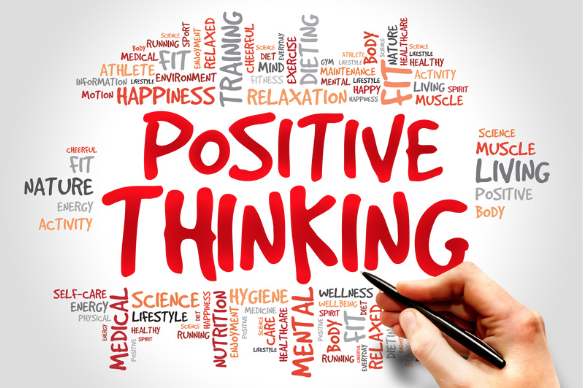
In a world that’s often bustling with challenges and uncertainties, cultivating a positive mindset can be the key to unlocking a happier and more fulfilling life. As a mindfulness life coach, I’ve witnessed firsthand the transformative effects of positive thinking on individuals. So, let’s dive into the incredible world of positive thinking and explore how it can shape your reality for the better. The Science Behind Positive Thinking Positive thinking isn’t just a feel-good notion; it’s backed by science. Research in the field of psychology has shown that our thoughts and emotions can significantly impact our overall well-being. The way we perceive situations and interpret events can either lift us up or drag us down. When you embrace positive thinking, your brain releases endorphins, the “feel-good” chemicals that contribute to reduced stress and enhanced mood. This biological response paves the way for increased creativity, improved problem-solving skills, and better decision-making abilities. Rewiring Your Brain for Positivity Our brains are astonishingly adaptable, and they have the ability to rewire themselves based on our experiences and thought patterns. This phenomenon is known as neuroplasticity. By consistently engaging in positive thinking, you can rewire your brain to default to optimistic perspectives. Start by acknowledging your negative thoughts without judgment. Then, challenge them by examining the evidence that supports or contradicts them. Replace these negative thoughts with more balanced, positive ones. Over time, this practice will become second nature, leading to a more positive outlook on life. The Ripple Effect of Positivity Have you ever noticed how a smile from a stranger can brighten your day? That’s the ripple effect of positivity in action. When you radiate positivity, you create a positive atmosphere around you that’s contagious. As a mindfulness life coach, I often encourage my clients to be mindful of the energy they bring into their interactions. By approaching conversations and relationships with positivity, you can uplift others and contribute to a more harmonious environment. Remember, your attitude is like a pebble dropped into a pond – the ripples spread far and wide. Navigating Challenges with Optimism Life is full of twists and turns, and challenges are inevitable. However, your response to these challenges can make all the difference. Positive thinking equips you with the resilience and mental strength needed to navigate through tough times. Instead of dwelling on setbacks, focus on the lessons and growth opportunities they present. When faced with a challenge, ask yourself: “What can I learn from this situation?” Shifting your perspective in this way allows you to find silver linings even in the most difficult circumstances. Fueling Your Goals with Positivity Whether you’re aiming for a career change, better health, or stronger relationships, positive thinking can be the driving force behind your goals. When you believe in your abilities and visualize your success, you’re more likely to take action and overcome obstacles. Create a vision board that represents your goals and aspirations. Fill it with images, quotes, and affirmations that inspire and motivate you. By regularly visualizing your goals in a positive light, you’re setting the stage for achievement and fulfillment. The Art of Self-Compassion Positive thinking goes hand in hand with self-compassion – the practice of treating yourself with kindness and understanding, especially during challenging times. As a mindfulness life coach, I’ve seen how self-compassion can transform the way individuals view themselves. Instead of criticizing yourself for perceived shortcomings, practice self-talk that’s nurturing and supportive. Treat yourself as you would a dear friend, offering words of encouragement and understanding. This approach not only boosts your self-esteem but also enhances your overall well-being. Building Lasting Relationships through Positivity Positivity isn’t just confined to your inner world; it profoundly impacts your interactions with others. Whether in friendships, family relationships, or romantic partnerships, a positive outlook fosters trust, empathy, and open communication. Listen actively and cultivate gratitude for the people in your life. Express appreciation and encouragement freely. When conflicts arise, approach them with an intention to find common ground rather than focusing on blame. By nurturing positive connections, you create a network of support that enhances your emotional resilience. Embracing the Present Moment As a mindfulness life coach, I emphasize the importance of living in the present moment. Positive thinking is closely intertwined with mindfulness – the practice of being fully present and engaged in the here and now. When you’re mindful, you’re able to appreciate the beauty around you and savor life’s simple pleasures. Take moments throughout your day to engage your senses – feel the warmth of the sun on your skin, savor the taste of your food, and truly listen to the sounds around you. By grounding yourself in the present, you cultivate a sense of gratitude and positivity that carries you through life’s journey. Positive thinking is a powerful tool that can transform your life in remarkable ways. As a mindfulness life coach, I’ve witnessed individuals break free from self-limiting beliefs and embrace a more optimistic outlook. By understanding the science behind positivity, rewiring your brain, and nurturing your relationships, you can unleash the full potential of positive thinking. Remember, every thought you think and every word you speak has the potential to shape your reality. Choose positivity, and watch as your life blossoms into a tapestry of joy, resilience, and meaningful connections.
Mindfulness: A Simple Practice with Big Benefits
In today’s fast-paced and often stressful world, it’s easy to get caught up in worries about the future or regrets about the past. However, practicing mindfulness allows us to be fully present and engaged in the current moment without judgment or distraction. What is Mindfulness? Mindfulness is a simple term that implies a complete and undivided focus of the mind on the present moment, one’s actions, and the surrounding environment. This may appear to be insignificant, but it is a fact that we frequently deviate from the present moment and become preoccupied with other things. As a result, we lose touch with our physical surroundings, and our thoughts become dominated by obsessive contemplations about past events or apprehensions about the future, leading to anxiety. In essence, it is an inherent human ability to be wholly engaged in the present moment, conscious of our surroundings and actions, without being excessively reactive or overwhelmed by external factors. At its core, mindfulness is a form of meditation that focuses on the present moment without judgment or distraction. It’s about learning to be aware of your thoughts, feelings, and sensations in the present rather than getting caught up in worries about the past or future. Benefits of Mindfulness There are many benefits including the following: Reduced stress and anxiety: it has been shown to reduce stress and anxiety by helping people focus on the present moment rather than worrying about the future. Improved focus and concentration: By training your attention to focus on the present moment, mindfulness can help improve your ability to concentrate and stay focused. Better emotional regulation: By learning to observe your thoughts and feelings without judgment, mindfulness can help you regulate your emotions and respond to situations more calmly and calmly. Increased well-being: Mindfulness has been linked to improved overall well-being by reducing negative emotions and promoting positive ones like happiness and contentment. Practice Mindfulness There are many different ways to practice mindfulness, but here are a few standard techniques: Mindful breathing: Focus on your breath, noticing the sensation of air entering and leaving your body. Body scan: Pay attention to different areas of your body, noticing any sensations or tension you may be experiencing. Mindful movement: Engage in a physical activity like yoga or walking, paying attention to your body’s movements and sensations. Mindful eating: Pay close attention to the colors, textures, and tastes of the food you’re eating, savoring each bite. Practice meditation: Meditation is a popular way to cultivate mindfulness skills. It involves sitting quietly and focusing on the breath or a mantra while observing thoughts and emotions without judgment. Even a few minutes of meditation each day can be beneficial. Pay attention to your senses: Another way to cultivate mindfulness is to focus on your senses, such as the sights, sounds, smells, tastes, and textures around you. This can help you stay present and engaged in the moment. Take breaks from technology: Technology can be a significant distraction and interfere with being fully present in the moment. Take breaks from technology, such as turning off your phone or computer for some time, to help you stay present and focused. Practice self-compassion: This involves non-judgmental observation of thoughts and emotions—practice by treating yourself with kindness and understanding rather than criticizing or judging yourself. Engage in mindful activities: Engage in activities such as yoga, tai chi, or walking in nature. These activities help you stay present and focused and promote relaxation and well-being. Practicing mindfulness can take some time to become a habit, but the benefits can be well worth the effort. It’s essential to approach it with openness and curiosity without judging yourself or getting frustrated if your mind wanders. Mindfulness is a simple yet powerful practice that can significantly benefit your mental and emotional well-being. Learning to be fully present and engaged in the current moment can reduce stress and anxiety, improve focus and concentration, and increase overall happiness and contentment.
Unveiling the Magic of Gratitude: Journey to a Joyful Life

Happiness is not just a feeling, but a skill that can be practiced. It goes beyond being a reward for achieving certain goals and is essential for a healthier and more fulfilling life. Numerous statistics highlight the benefits of happiness, including improved physical health, reduced stress and anxiety, stronger relationships, increased productivity and creativity, and better sleep. One simple practice to enhance emotional well-being is gratitude. Keeping a gratitude journal can make a significant difference. It involves writing down three specific things we are thankful for each day, focusing on both small and big aspects of our lives. For example, expressing thankfulness for a meal involves appreciating the flavors, textures, people involved in its production, and the experience of sharing it with loved ones. Reflecting on these moments can shift our emotions and outlook for the day. Morning journaling allows us to carry gratitude from the previous day into the present. By pausing and recalling what we are truly thankful for, we cultivate a sense of gratitude and thanksgiving. This practice helps us appreciate the often overlooked small moments that contribute to our happiness and optimism. Gratitude doesn’t require us to do more or try harder; it simply asks us to pause and notice. Benefits to keeping a GRATITUDE JOURNAL: Increased happiness: Regularly expressing gratitude in a journal cultivates a positive mindset and enhances overall happiness. It helps shift our focus towards the positive aspects of our lives, leading to greater contentment and satisfaction. Improved mental well-being: Writing in a gratitude journal can reduce stress, anxiety, and depression. By acknowledging and appreciating the good things in our lives, we train our minds to be more resilient and optimistic. Enhanced self-awareness: A gratitude journal encourages self-reflection and introspection. It allows us to become more aware of our thoughts, emotions, and experiences, enabling personal growth and a deeper understanding of ourselves. Better relationships: Gratitude fosters stronger connections with others. When we express gratitude towards people in our lives, it strengthens our relationships and encourages a positive cycle of appreciation and support. Increased resilience: Regularly practicing gratitude in a journal helps build resilience and coping mechanisms. It reminds us of the good things even during challenging times, helping us maintain a positive outlook and bounce back from adversity. Improved sleep quality: Reflecting on positive experiences and expressing gratitude before bed can promote better sleep. It calms the mind, reduces racing thoughts, and allows for a more peaceful and restful sleep. Heightened mindfulness: Writing in a gratitude journal promotes mindfulness and present moment awareness. It encourages us to pay attention to the small details and joys in everyday life, fostering a greater sense of appreciation and gratitude for the present moment. Boosted self-esteem and confidence: By focusing on our blessings and accomplishments, a gratitude journal boosts self-esteem and self-worth. It reminds us of our strengths and the positive aspects of our lives, reinforcing a positive self-image. Increased motivation and goal attainment: Gratitude journaling can fuel motivation and goal achievement. When we recognize and appreciate the progress we’ve made, we become more inspired and driven to pursue our aspirations and dreams. Overall well-being: A gratitude journal contributes to a higher overall sense of well-being. It brings a deeper sense of fulfillment, contentment, and positivity to our lives, creating a ripple effect of gratitude and happiness in various areas of life. Incorporating a gratitude journal into our daily routine can be a simple yet powerful practice that transforms our perspective and enhances our well-being. TRY this Gratitude practice known as the “Sensation Exercise,” which can be done anywhere. Sitting quietly, we observe our surroundings and engage our senses: Notice five things we can see. Identify four things we can physically feel. Pay attention to three things we can hear. Acknowledge two things we can smell. Recognize one thing we can taste. During this exercise, it’s important to be fully present and avoid multitasking. By immersing ourselves in the moment and experiencing our senses, we create a mental snapshot of gratitude. Afterwards, we can feel a sense of appreciation for having engaged all five senses. Gratitude is an active and conscious choice to focus our attention on positive aspects of life, even in challenging times. It doesn’t require extraordinary efforts, but rather the willingness to pause, reflect, and appreciate the blessings around us.