
Introduction: The Power of Awareness in Reactivity
Life is full of moments that test our ability to remain composed. These tests often come in the form of triggers—emotional, psychological, or even physical prompts that provoke an automatic response from us. Whether it’s anger at a criticism or anxiety from an unexpected challenge, our natural reaction is usually set on autopilot. But what if we could change the settings? What if we could pause, observe, and choose a response that aligns with our aspirations rather than our instincts? This blog delves into the transformative process of moving from habitual reactivity to skillful response.
Understanding Triggers and Habitual Reactions
Triggers are unique to each individual; they are the specific situations, words, or people that evoke a strong emotional response. This response can manifest as a tightening in the chest, a rush of heat, or an impulsive urge to act. It’s akin to touching a hot stove—the reaction is immediate and often without thought.
For many, habitual reactions are the default settings—ingrained through past experiences and reinforced through repeated action. When criticized, a person might instinctively lash out or withdraw. When faced with disappointment, another might turn to substance abuse or binge eating. These behaviors, while momentarily comforting or relieving, often lead to negative outcomes and perpetuate a cycle of reactivity.
Breaking the Cycle: The Role of Mindfulness
The key to altering these reactive patterns lies in the practice of mindfulness. Mindfulness involves maintaining a moment-by-moment awareness of our thoughts, feelings, bodily sensations, and surrounding environment. It encourages an attitude of non-judgment and acceptance, allowing us to observe our triggers and habitual reactions without immediately succumbing to them.
Step-by-Step Approach to Mindful Response
Identification: The first step is to identify your triggers. What situations, words, or people make you feel out of control or overly emotional? Recognizing these helps you anticipate and prepare for your reactions.
Observation: When a trigger occurs, instead of reacting, try observing your response from a place of curiosity and neutrality. What physical sensations do you notice? What emotions are surfacing? Observing distances you from the immediacy of the reaction and begins to weaken the automatic nature of the response.
Pausing: Give yourself a moment to pause. This doesn’t have to be long—just a few breaths can create enough space for you to choose how you wish to proceed rather than plunging into habitual behavior.
Choosing: In the space created by your pause, decide how you will respond. This choice should align with your goals and values. Ask yourself, “What response would be most helpful in this situation?” This is the moment of transformation—where you shift from reacting to responding.
Acting: Finally, act on the choice you’ve made. This might involve expressing your feelings in a calm and assertive manner, choosing to walk away, or engaging in an activity that helps you de-stress.
Challenges and Rewards
The journey from reactivity to response is not without its challenges. Old habits are deeply ingrained, and the brain’s default response is often the path of least resistance—reacting in the familiar way. However, the rewards of this transformation are significant. By responding rather than reacting, you gain control over your emotional state, reduce stress, improve relationships, and generally enhance your quality of life.
Embracing the Path of Transformation
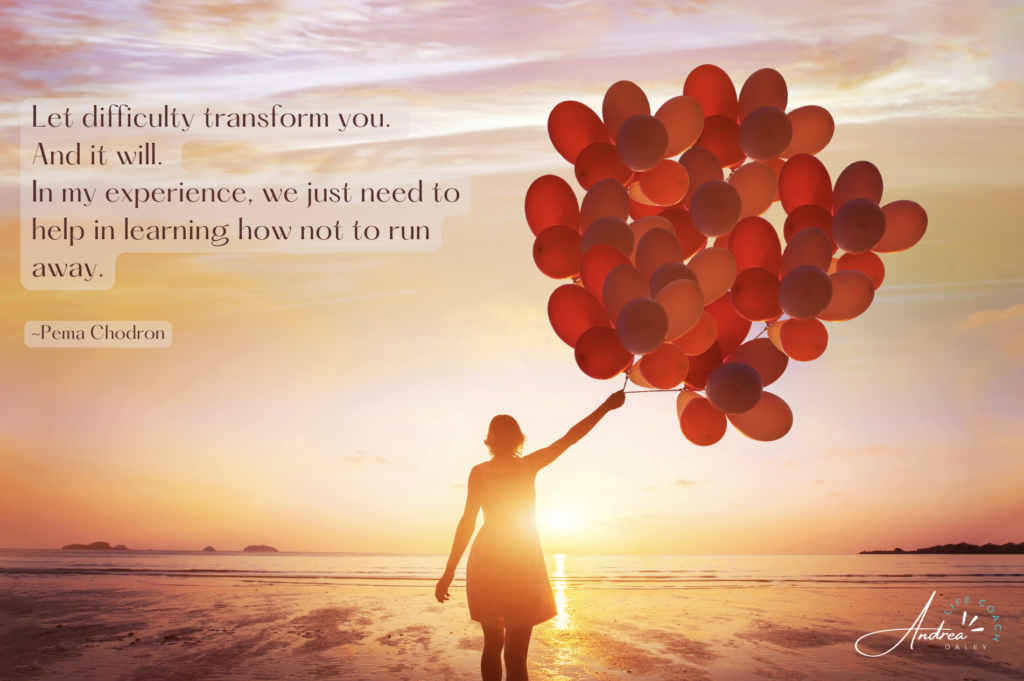
Pema Chödrön once said, “Let difficulty transform you. And it will. In my experience, we just need help in learning how not to run away.” By embracing the difficulties and using them as opportunities for growth, we transform our experiences from reactive to responsive. This doesn’t mean eliminating emotions or reactions, but rather choosing how we engage with them. Through mindfulness and practice, we can shift from being at the mercy of our triggers to being thoughtful architects of our responses.
This journey is about becoming more conscious of our actions and reactions, leading to a life where each moment is met with intention and grace. By investing in these skills, we not only improve our own lives but also contribute to the well-being of those around us, creating a ripple effect of mindfulness and intentionality.