
Loneliness After Divorce: Why the Silence Feels So Heavy

Loneliness after divorce can feel heavier than many women expect. People talk about the divorce itself. The breakup. The paperwork. The freedom. The logistics. But very few people talk about the strange emotional loneliness that can happen afterward — the kind that makes you feel emotionally untethered from the life you used to belong to. You can know the divorce was necessary and still feel deeply disoriented by how quiet your life suddenly feels. Hi, I’m Andrea Daley, a Life Coach for women navigating major life transitions like divorce, empty nest, and starting over. And honestly? This is one of the conversations I think more women need to hear – because the loneliness after divorce can feel incredibly confusing and deeply personal. What Is Loneliness After Divorce? Loneliness after divorce is more than simply being alone. It is the emotional disorientation that happens when an entire life structure suddenly changes. Your routines change. Your identity shifts. The emotional rhythm of your home changes. Even if the marriage was difficult, part of your brain still expected your old life to exist every morning when you woke up. That is why the loneliness can feel so intense. It is not weakness.It is grief, adjustment, emotional shock, and identity rebuilding happening all at once. Watch the Video: Loneliness After Divorce Prefer to listen instead? In this video, I talk honestly about the emotional loneliness that can happen after divorce – especially when your identity was built around being needed. https://youtu.be/nwfFgkS7zsw If this resonates with you, subscribe to my YouTube channel for weekly conversations about divorce, empty nest, identity loss, and starting over with more clarity, confidence, and courage. Why Loneliness After Divorce Feels So Heavy One of the hardest parts of divorce for many women is realizing how much of their identity was connected to being needed. For years – sometimes decades – life revolved around other people. A spouse. Children. Responsibilities. Schedules. Noise. Constant movement. And then suddenly… it gets quiet. Not peaceful quiet. The kind of quiet where you walk into the house and nobody is there waiting for you. The kind where cooking dinner for yourself feels emotionally heavy. The kind where you stand at the kitchen counter eating random fast food because making a full meal for one feels depressing. Sometimes you are not just grieving a person. You are grieving: the emotional structure of your life the familiarity the routine the feeling of belonging somewhere the identity attached to being needed That loss can feel brutal emotionally. Loneliness After Divorce Triggers Certain moments can intensify loneliness after divorce in ways people do not always expect. Common triggers include: Walking into a quiet house Watching something funny with nobody to share it with Holidays and weekends Seeing old family memories online Hearing your own footsteps in an empty home Realizing nobody is checking in on your schedule anymore Cooking or eating alone Watching your children leave after parenting-time transitions These moments can quietly make a woman wonder: “Do I even matter the same way anymore?” And honestly, that thought can feel devastating. Loneliness After Divorce Can Become an Identity Crisis This is the part people rarely talk about. Eventually, loneliness after divorce can stop feeling like relationship grief and start feeling like identity grief. And those are not the same thing. Because after years of being someone’s wife, someone’s support system, someone’s mother, someone’s everything… You can suddenly find yourself asking: Who am I now? What do I even enjoy anymore? What do I want? Who am I when nobody needs me the same way? That kind of loneliness is deeper than most people realize because sometimes you are not only missing another person. Sometimes you are missing yourself. 5 Ways to Feel More Grounded Again 1. Create Tiny Daily Structure After divorce, life can suddenly feel emotionally untethered. Small routines help create stability again. Even simple things like morning coffee outside, a daily walk, or cooking one intentional meal can help your nervous system feel safer. 2. Stop Judging Your Loneliness Many women think: “I should be over this by now.” But loneliness after divorce is not a sign of failure. Your entire life changed. Of course adjustment takes time. 3. Reconnect With Yourself Outside Your Old Roles This season is not only about loss. It is also about rediscovery. What do you enjoy now?What feels meaningful to you now?Who are you becoming underneath all the roles you carried for years? 4. Let Yourself Grieve the Life Structure Sometimes you are not grieving the marriage itself as much as the structure of your old life. That grief is valid. Even when the divorce was necessary. 5. Build Connection Before You Feel Ready Loneliness often tells women to isolate. But healing usually happens in safe connection. Not perfect connection.Not huge social circles.Just honest human connection. Why Stillness Feels So Uncomfortable Many women stay constantly busy after divorce – not because they are healed, but because stillness feels emotionally terrifying. Stillness forces you to sit face-to-face with how unfamiliar your life suddenly looks. And during that season, loneliness can start whispering painful things that are not actually true: Maybe I’m unwanted now Maybe I’m too old Maybe everyone else moved on except me Maybe this is just my life now But loneliness distorts perspective. Especially when your identity, routines, emotional security, and future all changed faster than your mind could emotionally process. That is not weakness. That is rebuilding. A Question to Sit With Instead of asking: “Why do I feel so lonely?” Try asking: “Who am I becoming underneath all the roles I used to carry?” Journal prompts: What parts of myself have I neglected for years? What actually brings me peace now? What do I miss about myself? What parts of my identity were tied to being needed? What would rebuilding look like if I stopped rushing it? What kind of life do I want to create moving forward? Loneliness After Divorce and What to Remember If
Dating After 40: Why It Feels So Different When You’re Starting Over

Dating after 40 can feel unfamiliar in a way you didn’t expect. You might assume it’s just about getting back out there – but when you actually think about doing it, something feels… off. You’re not broken – you’ve changed. Dating after 40 isn’t hard because you’ve forgotten how to date. It’s hard because you’re no longer the woman you were the last time you did. Hi, I’m Andrea Daley. I help women navigate life transitions like divorce, empty nest, and starting over – with clarity, confidence, and self-compassion. What is dating after 40? Dating after 40 is not just about meeting someone new – it’s about doing it from a completely different place in your life. Especially if you are dating after divorce. You bring: More life experience More self-awareness More emotional depth And often… more hesitation. Not because something is wrong – but because something is different. Watch the Video: Dating After 40 Prefer to hear this instead? Watch the full conversation here: Then come back and keep reading 💛 https://youtu.be/Q6RHJ2T3MDk Why dating after 40 feels so hard Most people think it’s about: Dating apps Being “out of practice” The modern dating world But that’s not the real reason. What makes dating after 40 feel hard is this: You’ve lived through real relationships You’ve experienced loss, disappointment, or change You’re more aware of what works – and what doesn’t You’re no longer willing to ignore red flags You’re not interested in surface-level connection This isn’t fear. It’s awareness. Dating after 40 triggers These moments tend to bring everything to the surface: Opening a dating app Saying yes to meeting someone new Feeling attraction again after a long time Comparing yourself to your younger self Thinking, “Am I too much? Too late? Too complicated?” These thoughts aren’t random. They’re tied to identity. Dating after 40: 5 truths that will shift everything 1. You are more self-aware – and that changes everything You see patterns now. You recognize dynamics. You notice what doesn’t feel right faster. That awareness may slow you down – but it also protects you. 2. You’re not looking for potential – you’re looking for alignment In your twenties, you might have dated for possibility. Now? You’re looking for peace, consistency, and emotional safety. 3. Your standards are clearer This isn’t about being “too picky.” It’s about finally understanding: what you need what you value what you will no longer tolerate 4. You’ve outgrown the version of love you once accepted What felt normal before may not feel acceptable now. That’s not a problem. That’s growth. 5. You’re being invited to build, not repeat This season isn’t about recreating your past. It’s about choosing something different – more aligned, more honest, more you. A question to sit with What do I actually want this next chapter of my life to feel like? Let yourself explore it: What would a healthy relationship look like for me now? What matters more to me today than it used to? What am I no longer willing to compromise? What kind of life am I building – with or without a partner? Conclusion: dating after 40 and what to remember If you’re navigating dating after 40, remember this: You’re not behind. You’re not too much. And you’re not starting over from scratch. You’re starting from experience. From growth. From everything you now understand about yourself. And that changes everything. If you want support as you navigate this season, book a free clarity call or explore my resources for women starting over. You don’t have to figure this out alone 💛
Dating After Divorce: It Feels So Different After 40

Dating after divorce can feel disorienting, emotional, and surprisingly heavy. You may think you’re ready – until you actually imagine doing it… and something inside you freezes. You’re not broken – you’re human. And more than that, you’ve changed. Dating after divorce isn’t hard because you’ve forgotten how to date. It’s hard because you’re not the same woman you were the last time you tried – especially if you are dating after 40. Hi, I’m Andrea Daley, a certified coach, speaker, and author. I help women navigate life transitions like divorce, empty nest, and starting over – with more clarity, confidence, and self-compassion. What is dating after divorce? Dating after divorce is not just returning to dating – it’s stepping into it as a completely different version of yourself. It can feel: Disorienting Emotionally layered Unfamiliar, even if you’ve dated before This is especially true after 40, when life experience, identity shifts, and emotional depth change how you approach connection. And that? That’s normal. Watch the Video: Dating After Divorce Prefer to listen? Watch the full video here, then keep reading for deeper insight and takeaways: Don’t forget to subscribe for weekly support 💛 https://youtu.be/Q6RHJ2T3MDk Why dating after divorce feels so hard Here’s what most people get wrong. It’s not just: Being out of practice Dating apps feeling overwhelming “The dating world changing” What actually makes dating after divorce feel hard is this: You are no longer the same woman Your beliefs about love have shifted Your standards have changed Your tolerance for certain dynamics is gone You’re more self-aware than ever before After 40, these shifts are even more pronounced. Your old dating “rules” were written for a different version of you. You need new ones. Dating after divorce triggers These are the moments that tend to bring everything up: Thinking about joining a dating app Saying yes to being set up Feeling interest in someone new Comparing yourself to who you used to be Wondering, “Who would even want me?” It’s not just nerves. It’s identity. Dating after divorce: 5 shifts that change everything 1. You know your worth now Even if you don’t always feel it, you know what it costs to be unseen or undervalued. You’re no longer willing to shrink yourself to be chosen – and that’s not a flaw. That’s growth. 2. Your wounds are wisdom You might worry you have “baggage,” but awareness is not a liability. The most dangerous wounds are the ones we don’t see.You’ve done the work to see yours – that makes you more intentional, not harder to love. 3. You know what you won’t accept anymore This isn’t being picky. It’s clarity. You’ve learned the difference between: love and loss of self connection and compromise attention and true care And you’re no longer willing to trade your peace for potential. 4. Your identity has shifted You were shaped by your marriage – your roles, your patterns, your beliefs. Now you’re standing on the other side as a different woman. That’s why dating feels unfamiliar… because you are. 5. You’re no longer seeking approval – you’re building identity At some point, the question shifts from: “Who would want me?” to: “Who do I want to become in this next chapter?” That shift changes everything. A question to sit with Who am I now – not who I was in my marriage? Sit with that… and go deeper: What do I actually want now? What kind of life am I building? What do I need that I didn’t allow before? What feels aligned vs. performative? What would I tell a friend in my exact position? Conclusion: dating after divorce and what to remember If you’re experiencing dating after divorce, remember this: Nothing about this is a sign that something is wrong with you. It’s a sign that you’ve changed. You’re not starting from zero – you’re starting from experience. From everything you’ve lived, learned, and survived. And that is not a disadvantage.That is your foundation. If you want support in this season, book a free clarity call or explore my resources for women navigating life transitions. You don’t have to do this alone 💛
Divorce Recovery After 30 Years: What No One Tells You About Starting Over

Divorce recovery after 30 years often brings unexpected emotional and identity shifts. This guide will help you understand what’s happening and how to move forward. There’s a moment in divorce recovery after 30 years…where it’s not just the relationship that’s gone. It’s the routines.The roles.The version of you that knew who she was in that life. And suddenly, you’re sitting in a life that doesn’t feel familiar anymore—wondering, How did I get here? If you were married for decades… this isn’t just divorce recovery.This is identity reconstruction. What You Will Find in This Article Why Divorce After 30 Years Feels So Disorienting No one really prepares you for this part. Because it’s not just about healing from a relationship –it’s about untangling who you are without it. You may find yourself: Questioning your decisions Feeling lonely even when you’re “doing fine” Struggling with guilt, doubt, or second-guessing Wondering why something that “needed to happen” still hurts this much This doesn’t mean something is wrong with you. It means something significant ended…and your system is trying to recalibrate. The Identity Gap No One Talks About There’s a space I talk about often –the space between who you were and who you’re becoming. It’s uncomfortable. Because you don’t fully recognize your old life anymore…but you don’t yet feel grounded in the new one. That in-between can feel like: Brain fog Emotional ups and downs A loss of direction Or even questioning your worth But this isn’t failure. This is transition. Why This Feels Harder Than You Expected Many women going through divorce recovery after 30 years assume they’ll feel relief…or clarity… or even freedom. And sometimes you do. But layered underneath that is grief, identity loss, and emotional fatigue. You’re not just starting over –you’re starting over with decades of history, patterns, and shared life behind you. Of course it feels heavy. A Conversation That Goes Deeper I recently had a conversation on theImperfect Adulting platform where we talked honestly about this exact experience—what it looks like to move from feeling stuck in victimhood…to slowly stepping into ownership and clarity again. 👉 Listen or read the full interview here:https://imperfectadulting.com/divorce-recovery-and-rediscovering-yourself-after-30-years/ https://www.youtube.com/watch?v=1TCgu7qiM1g What Actually Helps You Move Forward Not perfectly. Not quickly. But genuinely. A few things that begin to shift this season: 1. Naming what’s actually happeningThis isn’t just grief – it’s identity disruption. 2. Interrupting the mental loopsThe constant “why did this happen” keeps you stuck in the past. 3. Allowing the in-betweenYou don’t have to rush into a new version of yourself. Clarity doesn’t come from forcing answers.It comes from staying present long enough to hear them. If This Is Where You Are… If you’re in that space where everything feels unfamiliar…where you’re doing your best but still feel off… You are not behind.You are not broken.And you are not alone. Ready for Support? If you’re navigating divorce, empty nest, or starting overand you’re craving clarity in the middle of it – 👉 Book a Clarity Call
Starting Over in Life: 5 Honest Truths That Make It Feel Harder Than You Expected

Starting over in life sounds like it should feel like a fresh beginning.A clean slate. A new chapter. A sense of possibility. But for many women, it doesn’t feel that way at all. Instead, it can feel heavy.Unfamiliar.Even a little disappointing. And then comes the quiet question:“Why doesn’t this feel better?” You’re not doing anything wrong – you’re simply in the middle of something real. Hi, I’m Andrea Daley, a life coach who helps women navigate major life transitions with more clarity, confidence, and courage. And if you’re in a season of starting over, what you’re feeling makes more sense than you think. What is starting over in life? Starting over in life isn’t just about changing your circumstances – it’s about rebuilding your sense of self inside those changes. It’s the space where: What used to feel familiar is no longer there What’s ahead hasn’t fully formed yet And you’re somewhere in between the two That “in-between” can feel disorienting because your external life may have changed quickly… but internally, you’re still catching up. Watch the Video: Starting Over in Life Prefer to hear this in a more personal way? Watch the full video here, then come back for deeper reflection and practical steps. https://youtu.be/yRP1OmPbl5w Why starting over in life feels harder than expected One of the biggest misconceptions is that starting over should feel energizing right away. But in reality, starting over in life often follows a significant ending. And endings – even necessary or chosen ones – take something out of you. Here’s what’s really happening beneath the surface: You’re adjusting emotionally, not just logistically You’ve lost familiarity, even if you gained freedom Your identity is shifting, not just your environment Your nervous system is processing change You’re rebuilding things that once felt effortless So it makes sense that it feels heavier before it feels lighter. Starting over in life triggers (what makes it feel worse) There are a few patterns that can quietly intensify this season: Time pressureThinking, “It’s been months… shouldn’t I feel different by now?” ComparisonLooking at others and assuming they’ve figured it out faster Unspoken expectationsBelieving this “should” feel exciting or freeing right away DisconnectionNot yet having your people, your places, or your routines Overthinking your decisionWondering if you chose the wrong path simply because it feels hard None of these mean something is wrong.They mean you’re human and you’re in transition. Starting over in life: 5 steps to feel steadier Let go of the idea that this should feel like a “fresh start”Starting over in life isn’t a reset button. It’s a rebuild. And rebuilding takes time, energy, and patience. Stop measuring your progress by timeThere is no universal timeline for feeling settled. What feels like “too long” is often just your process unfolding. Anchor yourself in small familiarityOne place, one routine, one connection – these small anchors help your world start to feel steady again. Normalize the emotional lagYour life may have changed quickly… but your emotions don’t move at the same speed. Give yourself space to catch up. Look for subtle signs of progressIt won’t feel like a dramatic shift. It will feel like small moments of ease returning – little by little. A question to sit with Instead of asking:“Why doesn’t this feel the way I thought it would?” Try asking:“What am I slowly building that I can’t fully see yet?” You might explore: What already feels slightly easier than it did before? Where am I expecting instant results in a long process? What would change if I trusted my pace instead of judging it? What am I learning about myself in this season? Conclusion: starting over in life and what to remember If you’re in the middle of starting over in life, here’s what matters most: It’s not supposed to feel perfect right away.It’s not supposed to feel clear right away.And it’s definitely not supposed to feel instant. You’re not starting from zero.You’re starting from everything you’ve lived through. And that means what you’re building now has depth, meaning, and staying power. You’re not behind.You’re in process. If you want support as you navigate this season, you can book a free clarity call or explore my resources designed to help you move forward with more confidence and ease 💛
Letting Go of Holiday Traditions: Creating a Season That Feels True to You

There’s a moment during the holidays when a single song, scent, or memory can crack open your heart. A familiar Christmas ornament, the sound of wrapping paper, or the way the cold air hits your skin can transport you back to a time when life looked very different. If you’re in the midst of divorce, co-parenting, an empty nest, a move, or any major life transition, those memories can feel tender. And sometimes, they can feel unbearably painful. If this season isn’t what it used to be, you’re not failing. You’re simply human. And you’re in the process of letting go of holiday traditions that belonged to an older chapter of your life, a chapter that shaped you, but no longer defines you. This moment is not a loss of meaning.It’s an invitation to create new meaning. You’re Not Wrong for Feeling the Way You Do The holidays often bring up complicated emotions, especially when life has shifted in ways you didn’t ask for or expect. You might feel grief, nostalgia, frustration, guilt, or even confusion about what you’re “supposed” to do. Let me reassure you: You don’t have to recreate how things used to be to make this season meaningful. The holidays aren’t monuments to the past.They’re invitations to reconnect with what matters now. When your life changes, it’s normal to feel out of rhythm. It’s normal to question old traditions. And it’s more than okay to let yourself move differently this year. My Own Journey of Holding On… Then Finally Letting Go For years after my divorce, I kept returning to the marital home at Christmas. I stayed in the guest room in the basement. We reenacted every tradition I had poured myself into for decades. Everyone pretended it was “normal.” On the surface, it looked like a united holiday. But inside, I was unraveling. I told myself I was doing it for the kids.I told myself it was easier than disappointing anyone.I told myself that keeping the traditions alive meant I was still being a good mother. But every visit was like having an old wound ripped open again. And I did it not once… but several years in a row. Until the truth became impossible to ignore: I wasn’t protecting my children.I was postponing my own healing. Eventually, I had to ask a question I’d been avoiding: “What do I need to let go of so I can feel peace instead of pain?” Last year became my first Christmas without any of my children in more than 30 years. They were gathering with their dad. They invited me, of course. But they didn’t understand why I needed something different, why the old way hurt me more than it helped me. So I said no. Not out of anger. Not out of rejection.But out of self-respect. And even though I walked into that season with a tender heart, something unexpected happened. I finally created my first foundation for what Christmas could look like for me. It wasn’t big or perfectly curated.It was quiet, intentional, and honest. I decorated just enough to feel warm.I kept the pieces of tradition that still brought me light.And I released the ones that belonged to a different chapter of my life. Letting go of holiday traditions didn’t erase my story.It simply allowed me to evolve it. 4 Gentle Ways to Let Go of Holiday Traditions and Create Something New Below are four compassionate practices to help you honor your truth while stepping into a holiday season that fits the woman you are now. 1. Notice What Feels Heavy and What Still Brings Light Every tradition carries emotional weight. Some bring warmth. Some trigger grief. Some remind you of roles you no longer play. Take a moment to ask yourself: • What feels heavy this year?• What still feels comforting or joyful? This awareness helps you make conscious choices instead of operating from old patterns. Letting go isn’t failure… it’s wisdom. 2. Create New Meaning Without Guilt Traditions are meant to support your well-being, not bind you to the past. If something no longer brings peace, you can release it with gratitude, not guilt. Gratitude for the memories. Gratitude for the years it served your family. Gratitude for the chapter it belonged to. Letting go doesn’t dishonor the past.It honors your present needs. Maybe this year looks like: • One candle instead of a full décor display• A quiet walk instead of hosting a gathering• A simple meal instead of a day-long cooking marathon• Cozy pajamas instead of a performance of “holiday cheer” Less can be deeply meaningful. 3. Give Yourself Permission to Simplify Everything We often carry unspoken pressure to recreate holidays from seasons that no longer exist. This year, you’re allowed to simplify. Say no without apology.Choose ease over effort.Choose presence over performance. You don’t have to hold everything together to prove your strength.You don’t have to be superhuman to make the season special. Your peace matters more than your perfection. 4. Honor Your Energy First If this is a tender year, let it be tender.If you’re tired, let yourself rest.If you’re grieving, let your heart exhale. You don’t have to attend everything.You don’t have to decorate everything.You don’t have to orchestrate magic for everyone else. Honor the season you are actually in… not the one you think you’re supposed to recreate. If this holiday becomes nothing more than: • A gentle pause• A deep breath• A whispered prayer• A cup of tea in stillness That is enough. Sometimes the most sacred holiday is the one where you stop trying to pretend you’re okay and start allowing yourself to simply be. A Gentle Reflection for You Take a quiet moment with a journal and answer the following questions: • What traditions feel heavy for me this year?• What still brings warmth or light?• What am I ready to release so I can feel more peace?• What do I want to carry forward into this next chapter? Let your truth spill
Embracing Self-Care: 4 Essential Practices for Life’s Transitions

Introduction to Self-Care Embracing self-care is your lifeline in seasons of change. When life feels unsettled, whether through divorce, an empty house after the kids leave, a move to a new city, or a career shift, it is easy to push your own needs to the bottom of the list. You may be pouring yourself into survival, into other people, or into endless responsibilities. Yet true transformation begins when you choose to prioritize yourself. I’m Andrea Daley, a certified coach and life transformation specialist, and I walk alongside women who are navigating these major life shifts. Today I want to talk with you about self-care, not as a luxury or afterthought, but as a lifeline that will help you regain clarity, confidence, and courage in the middle of transition. Redefining Self-Care Many of us grew up believing that self-care was indulgent, frivolous, or selfish. We picture expensive spa days, fancy vacations, or hours of leisure time we cannot imagine fitting in. But real self-care is something different. It’s the quiet pause before your morning begins, when you stand on your porch with a cup of coffee and take three deep breaths of fresh air. It’s choosing to put your phone away for 20 minutes so you can walk outside, notice the leaves changing, or simply feel the sun on your face. It’s asking for help instead of doing it all yourself. Self-care is about protecting the energy you need to move through change with strength. Think of yourself as a battery: every intentional act of care charges you, while every demand drains you. You cannot keep giving if you never recharge. The Cultural Challenge Our culture celebrates busyness and praises the myth of the superwoman who does it all without rest. That narrative is heavy, and it often convinces women that pausing is weakness. The truth is the opposite. Pausing is power. Recharging is resilience. Asking for help is courage. When you are in a major life transition, you need your energy more than ever. Stress, uncertainty, and grief already drain your reserves. Self-care is how you build them back up. Without it, you run on fumes. With it, you rediscover the inner steadiness that allows you to step forward with clarity. My Journey Toward Self-Care For years, I resisted slowing down. I believed I had to keep everything together, hold every piece, and never stop moving. That belief came at a cost. I lived with migraines for decades, a physical reminder of how much my body needed rest. Eventually, I realized something had to change. Self-care wasn’t optional, it was essential. Today, I embrace small practices that fill me back up. Sometimes it’s journaling with a candle lit nearby. Sometimes it’s a skincare treatment that reminds me my body deserves investment too. These choices are not vanity. They are intentional acts of love that allow me to show up whole. I share this because I know how hard it can be to unlearn the belief that self-care is selfish. But when I shifted, I found more energy, more patience, and more joy. And you can too. Your Self-Care Pathway: 4 Practical Steps If you’re wondering where to begin, here are four simple and realistic ways to start embracing self-care right now: 1. Create a Morning Moment Before you open your email or glance at your to-do list, take five minutes just for you. Step outside, stretch, sip your coffee slowly, or breathe deeply. Starting your day with stillness sets the tone for clarity. 2. Practice the Art of “No” Every “yes” to others is a “no” to something in your own life. This week, identify one request or commitment that drains you and practice saying no with kindness. Protecting your time is a radical act of self-care. 3. Move Your Body Gently Self-care doesn’t require a gym membership. It might look like a walk after dinner, gentle yoga in your living room, or even dancing to one favorite song. Moving your body reminds you that you are alive and capable. 4. Ask for Help Without Guilt Whether it’s hiring someone to mow the lawn, asking a friend to listen, or leaning on a counselor, giving yourself permission to receive support is one of the most powerful self-care choices you can make. Reflection Exercise Take a few minutes with your journal and reflect on these questions: When was the last time I felt truly restored and at peace? What small practices bring me joy or calm, but I often dismiss as “not important”? If I believed that self-care was necessary, what would I give myself permission to do this week? Write your answers without editing or judgment. Notice which responses feel most alive for you. Those are clues to your personal self-care pathway. Embracing Self-Care During Major Life Changes You may be walking through one of the most challenging seasons of your life right now. I want you to hear this: you are not selfish for needing rest. You are not weak for needing help. You are human. And when you tend to yourself with compassion, you create the energy and strength to step into your next chapter. Embracing self-care is not about escaping life, it’s about fully living it. Every small choice to care for yourself is a declaration that you matter, that your healing matters, and that your future matters. I’d love for you to continue this journey with me. Follow along for more insights and practical tools designed to help you navigate transition with clarity, confidence, and courage. My upcoming self-paced course dives deeper into practices like these, giving you a roadmap to not just survive change but thrive through it. Your next chapter begins with you. And embracing self-care is the first step.
How to Silence the Inner Critic During Major Life Changes
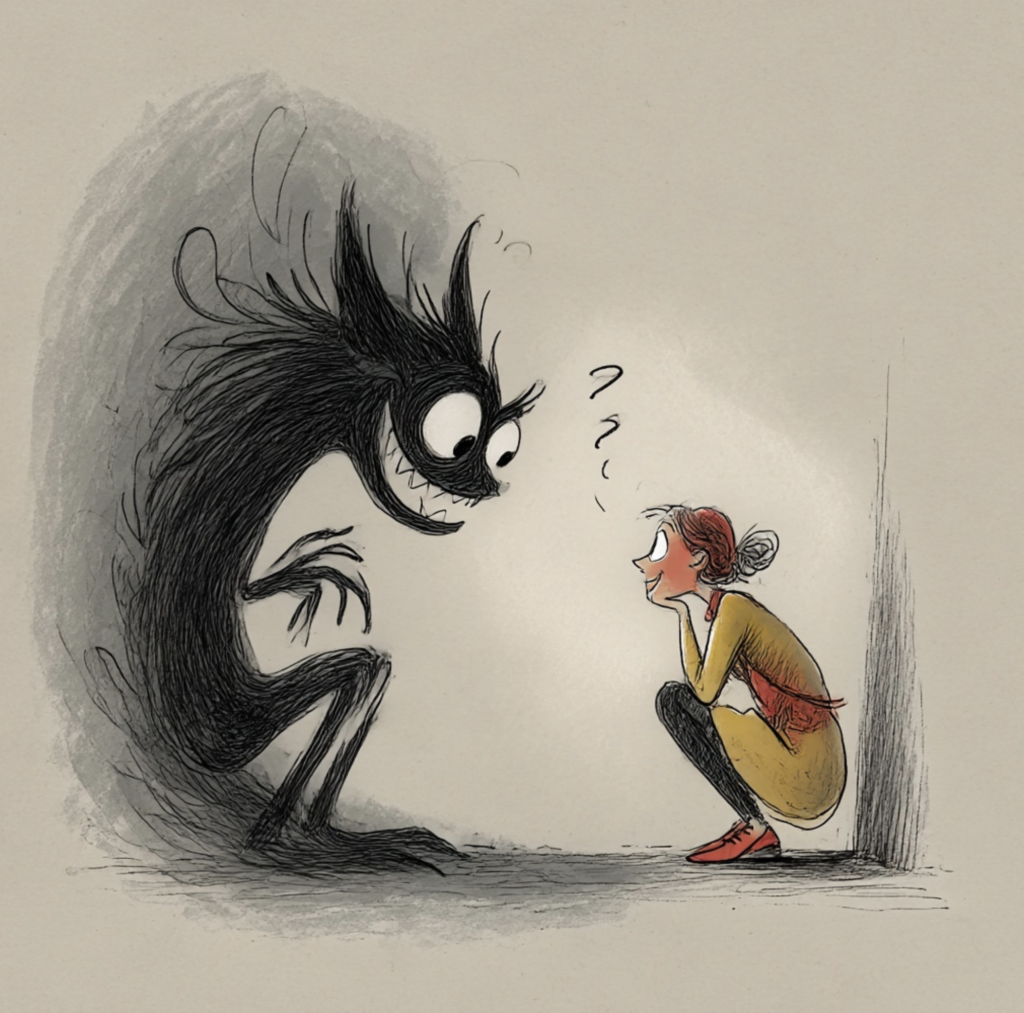
Picture this: You’ve just stepped into a brand-new chapter. Maybe it’s after a divorce, your kids leaving home, or a big move to a new city. You’re trying to feel hopeful, but instead, that little voice inside your head keeps whispering: “You’re not ready. Who do you think you are? What if you fail?” That voice? That’s your inner critic. And learning how to silence the inner critic is one of the most powerful skills you can develop during major life transitions. Acknowledging the Struggle If you’ve been hearing that relentless inner chatter, you’re not alone. When everything feels uncertain, your role, your relationships, your daily routine, it’s common for self-doubt to grow louder. The inner critic shows up with harsh judgments, endless “what-ifs,” and heavy comparisons. Here’s the truth: that voice isn’t who you are. It’s simply a pattern your mind has practiced over time, often rooted in old fears. And the beautiful news? You can retrain your inner dialogue. You can soften that critical voice and invite in one that is kind, supportive, and full of possibility. Together, let’s explore practical ways to silence the inner critic and step into your next chapter with clarity and confidence. 1. Name and Tame the Inner Critic The first step to silencing your inner critic is to notice it. Pay attention to when the voice shows up. Is it when you try something new? When you look in the mirror? When you make a decision? Once you catch it, give it a playful name. Maybe it’s “Naggy Nancy” or “The Doubt Monster.” Naming it creates distance. Instead of being swept away by its words, you can say, “Oh, that’s just Nancy talking again.” This simple act turns the inner critic from an authority into background noise. You’re in charge, not the critic. 2. Replace Judgment with Curiosity The inner critic thrives on judgment,. “You should have done better” or “You’ll never figure this out.” A powerful way to silence the inner critic is to shift from judgment to curiosity. Instead of asking, “Why can’t I do this?” try, “What small step could I take next?” Instead of, “I always mess up,” try, “What did I learn from this experience?” Curiosity opens the door to growth and creativity. Judgment shuts it. By practicing curious questions, you create space for compassion and forward movement. 3. Build a Supportive Inner Voice Imagine if your best friend called you right now and shared the exact fears you’ve been holding. Would you say, “You’re ridiculous, you’ll never succeed”? Of course not. You’d probably say something like, “I see how hard this is, and I believe in you.” That’s the voice you want to start practicing with yourself. To silence the inner critic, replace it with a voice that feels like your wisest, kindest ally. Write down a few supportive phrases you can come back to, such as: “I am learning as I go, and that’s enough.” “I have done hard things before, and I can do this too.” “This new chapter is unfolding at the perfect pace.” Tape these phrases to your bathroom mirror or keep them in your journal. Let them be louder than the critic. 4. Surround Yourself with Uplifting Influences When you’re starting over, who you spend time with matters deeply. If you’re around people who fuel negativity or keep you doubting yourself, the inner critic gets louder. But if you spend time with people who remind you of your strength, the critic begins to quiet. This might look like joining a supportive group, finding an encouraging mentor, or simply limiting time with those who drain your energy. You are allowed to protect your peace and seek out voices that help you silence your inner critic. 5. Anchor Yourself with Simple Daily Practices Major life changes can feel overwhelming, but small consistent practices help ground you and quiet the critical voice. Some of my favorites include: Breathwork: Take three slow breaths, reminding yourself with each inhale, “I am safe. I am enough.” Gratitude: Write down three things each morning that you’re grateful for. Gratitude is like static that drowns out the critic. Movement: A walk, a stretch, or a few minutes of dancing can shift your energy and clear mental clutter. These daily rituals build resilience, making it easier to silence the inner critic when it pops up. Mini Reflection Exercise Take out your journal and answer these prompts: When does my inner critic speak the loudest? What name can I give it that makes it feel less intimidating? If my best friend were in my shoes, what encouraging words would I share with her? Which of those words do I most need to hear from myself right now? Let your answers flow without judgment. This is your chance to get curious and compassionate, two of the best antidotes to the critic’s voice. Here’s what I want you to know: you are not broken, behind, or failing. You are in transition—a place where your old chapter has ended, and a new one is waiting to be written. That takes courage. That takes strength. Every time you choose kindness over criticism, curiosity over judgment, or support over silence, you are rewriting your inner story. You are silencing the inner critic and turning up the volume on your true voice—the one that knows you are capable of creating a life filled with clarity, confidence, and joy. If this message spoke to you, know that this is just the beginning. I empower women like you through the emotional rollercoaster of transition, with tools to quiet the critic and step fully into your next chapter. Stay connected for more blogs, exercises, and resources to support your journey. You deserve this fresh start, and I can’t wait to walk alongside you as you claim it. Schedule a FREE Clarity Call
Navigating Life Transitions for Women: Rediscovering You

Life transitions for women. When everything changes, who am I now? It started with a quiet house. Maybe your last child moved out, or you finalized a divorce. Maybe you retired from a job that defined you for decades or relocated to a place where nobody knows your name. One day, everything felt familiar. The next, you are looking in the mirror wondering, Who am I now? You Are Not Alone in This Question If you’re navigating life transitions as a woman in your 40s, 50s, or 60s, you are in good company. These seasons of change can feel like emotional earthquakes. The roles you’ve played for years may no longer apply. The rhythm of your days has shifted. And along with it, your sense of self can feel like it’s slipping through your fingers. It’s okay to feel lost. It’s okay to grieve what was. But it’s also okay, and deeply courageous, to begin asking who you want to become next. Because underneath all this change, there is still you. And she is worthy of rediscovery. Practical Steps to Reconnect With Yourself 1. Allow Yourself to Mourn the Old You Change often involves loss, even when the change is welcome. You might be losing a role, a routine, or an identity that brought you comfort. Give yourself space to grieve. Journaling, talking with a trusted friend, or simply giving yourself permission to feel what you feel can be healing. You are not weak for missing the past, you are human. 2. Notice What Lights You Up Start small. What moments in your day give you even a flicker of joy or interest? Maybe it’s the peacefulness of your morning coffee, the thrill of trying something new, or the satisfaction of organizing a space. These are not random. They are breadcrumbs pointing you toward who you’re becoming. Keep a “spark journal” for a week. Every evening, jot down three moments that made you smile, feel alive, or feel proud. Patterns will emerge, and with them, clues to what matters most to you now. 3. Revisit Forgotten Passions Think back to what you loved as a child or young adult, before life got busy. Did you love to write, paint, sing, garden, explore? These aren’t just hobbies, they are windows into your essence. You don’t have to become an expert. Just begin again with curiosity. Let joy be your only goal. 4. Define Yourself by Values, Not Roles Roles like “mother,” “wife,” or “professional” may shift or disappear, but your values, what truly matters to you, remain. Try listing your top five values today. Common ones include freedom, creativity, kindness, growth, and connection. Then ask: How can I live these values more fully in this season? This is where your new identity begins to take root: not in what you do, but in what you stand for. 5. Try on New Identities Like Outfits You don’t have to have it all figured out. Think of this as a season of experimenting. Want to try hiking? Join a group. Curious about mentoring? Volunteer. Interested in a new career path? Take a class. Let yourself try things without pressure. This is how you grow into the next version of yourself, one brave step at a time. Meet Your Becoming Self Take a few quiet moments with a journal and reflect on this question: If nothing was holding me back, not age, not expectations, not fear, who would I want to be in this new chapter of my life? Write freely. Don’t edit or censor yourself. Let your deepest desires speak. This is your becoming self beginning to emerge. You Are Still Whole In the middle of major life transitions, it’s easy to feel like you’ve lost parts of yourself. But the truth is, you are not broken. You are simply evolving. Your identity isn’t gone, it’s unfolding in new and beautiful ways. Yes, it takes courage. Yes, it can be uncomfortable. But you are strong enough to ask the question: Who am I now? And brave enough to live your way into the answer. If this message speaks to you, you’re not alone. I’m creating a self-paced course just for women like you, women navigating life transitions with heart and courage. Follow along here for more tips, reflections, and tools to support you on your journey. Your next chapter is waiting, and I’ll be right here to help you write it
5 Gentle Practices to Soothe Overwhelm

Gentle Practices to Soothe Overwhelm When Life Feels Too Full There was a morning when I woke up already tired. My coffee sat cooling on the counter as I tried to remember where I’d left my phone. A dozen thoughts pulled at me at once: bills to pay, calls to return, decisions to make. My chest felt tight and my mind raced ahead to everything I had to do. By 8 a.m., I was already running on empty. If you have ever felt like this, you know how quickly overwhelm can take over. It may be triggered by a big life change or by an accumulation of smaller stresses. Either way, it leaves you feeling drained, unfocused, and unsure where to begin. You are not broken for feeling this way. You are simply human, navigating more than your heart and mind were meant to hold all at once. Acknowledging What You’re Carrying Overwhelm often shows up during major life transitions like divorce, an empty nest, relocating to a new city, or reinventing your career. These changes bring more than just practical adjustments. They stir up emotions, memories, and questions about what comes next. You might be juggling logistical tasks, managing shifting relationships, and processing deep emotions all at the same time. It is no wonder your mind and body sometimes wave the white flag. Before you rush to “fix” it, take a moment to simply notice it. Acknowledge that you are in a season where your emotional bandwidth is stretched. Overwhelm is not a flaw in your character. It is a signal that you need space, care, and gentle tools to help you find your footing again. The good news is that small, intentional shifts can help you create moments of calm, even in the middle of uncertainty. Here are five gentle practices you can start using today. 1. The 3-Breath Reset When overwhelm rises, your body often shifts into a stress response before you even realize it. A simple three-breath reset can help bring you back to the present. How to do it: Inhale slowly through your nose for a count of four. Hold your breath for a count of four. Exhale gently through your mouth for a count of six. Repeat for three full breaths. This tiny pause tells your nervous system it is safe to soften. You may still have the same to-do list afterward, but you will approach it with a calmer mind and steadier energy. When to try it: Before opening your inbox, after a difficult conversation, or whenever you feel your thoughts spinning. 2. Create a Gentle Brain Dump Overwhelm often comes from trying to mentally track too many details. Give your mind a rest by pouring everything onto paper. How to do it: Set a timer for 5–10 minutes. Write down every thought, task, or worry without organizing or judging it. Once the timer goes off, sort items into categories: urgent, can wait, and let go. The relief comes from getting it out of your head and into a form you can work with. It is like setting down a heavy bag you have been carrying all day. When to try it: First thing in the morning or before bed, especially on days when your mind feels cluttered. 3. Anchor Yourself in One Sense When your mind is scattered, grounding yourself in your senses can bring you back to the here and now. How to do it: Choose one sense and focus on it for one full minute. Sight: Watch clouds drift across the sky. Sound: Listen to a favorite calming song. Touch: Hold a warm mug and notice its weight and texture. Taste: Slowly savor a piece of chocolate. Smell: Inhale the scent of fresh tea or essential oils. By narrowing your attention to a single sense, you quiet the noise in your head and reconnect with the present moment. When to try it: During a busy day when you need to pause without losing momentum. 4. Celebrate Three Small Wins When you are overwhelmed, it is easy to see only what is left undone. But shifting your focus to what you have accomplished builds self-trust and a sense of progress. How to do it: At the end of the day, name three things you did well. They do not need to be big. I got out for a short walk. I returned an important call. I made myself a nourishing meal. Each acknowledgment is a reminder that you are showing up for yourself, even in small ways. When to try it: In the evening as a bedtime ritual or any time you feel like you are “not doing enough.” 5. Choose One “Just for Me” Action Overwhelm often happens when your days are filled entirely with caring for others or managing obligations. Even five minutes of “you time” can help restore balance. How to do it: Ask yourself, “What is one small thing I can do today that is just for me?” Step outside for fresh air. Read a few pages of a book. Stretch your body for five minutes. Enjoy a warm cup of tea without multitasking. These moments may be short, but they remind you that your well-being matters, too. When to try it: Any time your day starts to feel like it belongs to everyone but you. Mini Reflection Exercise: Your Calm Plan Take out your journal and spend 10 minutes answering these prompts: Which of these gentle practices feels easiest for me to start using today? When I think about the last time I felt deeply calm, what was I doing? What is one commitment I can make this week to invite more calm into my life? Revisit your answers often and notice how your relationship with overwhelm shifts over time. You Are Allowed to Slow Down In a world that glorifies pushing through, choosing to slow down can feel like an act of courage. Every time you pause to breathe, write, anchor yourself, celebrate a