
Why the Holidays Feel So Hard After Change

My First Thanksgiving After Divorce I’ll never forget my first Thanksgiving after my divorce. The table was smaller, the house quieter, and every familiar smell felt both comforting and heartbreaking. For years, Thanksgiving had meant a full house; kids laughing, pies cooling, my husband carving the turkey while I set out the good china. That first year on my own, I made a smaller meal, thinking it would somehow make the emptiness easier. But when I sat down to eat, it hit me: I wasn’t just missing the people. I was grieving the life that had shaped every tradition I knew. I remember whispering to myself, “This isn’t how it’s supposed to be.” Then, through tears, I realized, maybe it’s not supposed to be the same. Maybe it’s time to create something new. You’re Not Alone in Feeling This Way If the holidays feel harder this year, you’re not broken. You’re human. When life changes; whether through divorce, empty nesting, relocation, or loss, the holidays can stir up a swirl of emotions. Joy and grief can coexist. You might feel gratitude for what remains and sorrow for what’s gone, all at the same time. We’re taught to chase “holiday cheer,” but when your world has shifted, the usual sparkle can feel like a spotlight on what’s missing. You may find yourself asking, “How do I celebrate when everything feels different?” The truth is, the holidays after change are tender because they hold memories of who we were and uncertainty about who we’re becoming. And that’s okay. It’s okay to grieve the old while creating the new. Why the Holidays Feel So Hard After Change Traditions Hold Emotional WeightThe rituals, foods, and gatherings of the season aren’t just activities…they’re emotional anchors. When change disrupts those patterns, it can feel like you’ve lost part of your identity. You’re Living in the “In-Between”You’re no longer where you were, but not yet fully settled into what’s next. That liminal space can feel uncomfortable and unfamiliar, especially during a season built on tradition. Social Pressure Adds to the PainEvery commercial and holiday movie tells you what “happy” should look like. When your reality doesn’t match that picture-perfect scene, it can heighten feelings of isolation or guilt. Old Memories ResurfaceThe smallest things; a favorite ornament, a song on the radio, can open emotional floodgates. That’s part of healing, not a setback. Actionable Ways to Find Peace and Meaning Here are a few ways to navigate this season with more gentleness and intention: 1. Simplify Without Shame You don’t need to recreate everything. Ask yourself: What feels nourishing this year and what feels heavy? It’s okay to scale back. Maybe that means skipping the big dinner and hosting a cozy brunch, or spending the day volunteering instead of decorating. 2. Create One New Tradition Choose one small, soul-aligned ritual that reflects who you are now. Light a candle for what you’re grateful for. Take a solo morning walk before the day begins. Write a letter to your future self. It doesn’t need to be grand, it just needs to feel true. 3. Honor What Was Give yourself permission to remember. Maybe set a place for a loved one who’s no longer there, or share a favorite story aloud. Honoring the past helps you carry its meaning forward, rather than trying to erase it. 4. Focus on Connection, Not Perfection If gathering feels right, invite the people who bring warmth, not pressure. This might be friends, neighbors, or even a small circle of women also walking through change. The goal isn’t to fill the table, it’s to fill your heart. 5. Be Kind to Yourself Grief has its own rhythm. Some moments may surprise you with joy; others may ache unexpectedly. Let yourself ebb and flow. Self-compassion is the greatest gift you can give yourself this season. Mini Reflection Exercise Take a quiet moment with your journal and ask: “What parts of the holidays still bring me light, and what feels too heavy right now?” Write freely. You don’t have to make decisions today. Awareness is the first step toward peace. A New Chapter Is Unfolding This season isn’t about pretending everything’s okay. It’s about learning to find meaning in the midst of change. When I look back on that first post-divorce Thanksgiving, I don’t just remember the ache, I remember the moment I realized I could build something new. The next year, I invited a few close friends over. We laughed, we cried, and we started a new tradition: going around the table sharing one thing we were proud of ourselves for. It was simple, but it felt real. That’s how healing begins, not all at once, but choice by choice, breath by breath. The holidays may never look the same, but they can still hold beauty. You’re not who you were and that’s something to celebrate. If this message resonates with you, you’re not alone. I’ve created a self-paced course called “Navigating the Holidays Through Big Life Changes”, a gentle, practical guide to help you find peace, meaning, and joy in the midst of change. Stay tuned for its release later this month, and follow along for more reflections, tools, and encouragement to help you move through this season with Clarity, Confidence, and Courage. 💛
Worry: Understanding and Overcoming Unproductive Patterns

Worry is a universal experience. Nearly everyone worries from time to time, and it’s a natural response to problems and the unknown. However, not all worry is created equal. There is a significant difference between productive and unproductive worry. Understanding this distinction can help us manage our mental and emotional well-being more effectively. Productive vs. Unproductive Worry Productive worrying involves identifying problems and using effective problem-solving strategies to address them. It’s the kind of worry that prompts us to take action, make plans, and prepare for potential challenges. For example, if you’re worried about an upcoming exam, productive worry might lead you to study more diligently or seek help from a tutor. On the other hand, unproductive worrying is when we ruminate over problems we cannot change. This type of worry doesn’t lead to solutions; instead, it adds anxiety to our already unpleasant experiences, increasing our suffering. Unproductive worry often involves dwelling on hypothetical scenarios and “what if” questions, such as “What if I lose my job?” or “What if I get sick?” These thoughts can spiral into a storyline of imagined disasters, creating a sense of false control over the future. The Mechanics of Worry Worry often begins with a single thought that quickly escalates into a full-blown narrative. Whether it’s about finances, career, family, or health, we tend to play out these scenarios in our minds, trying to predict and control the future. However, because the future is inherently uncertain, this mental exercise is futile and often counterproductive. Over time, frequent worrying can become a habit. Our brains develop hardwired response patterns, making worry an automatic reaction to stressors. Instead of observing problems calmly and objectively, we fall into habitual worrying, which can interfere with sleep, concentration, and overall well-being. Breaking the Cycle To manage worry effectively, it’s crucial to have tools and strategies to rely on when anxious thoughts arise. The first step is awareness. Recognizing when you’re caught in a loop of worried thoughts allows you to pause and examine them. Notice when you’re getting swept away by a storyline full of imagined projections of the future. Acknowledge this pattern by saying to yourself, “I know this pattern. This is me getting swept away again. Let’s see if I can put the brakes on this worry.” Ask yourself if your worst fears are likely to happen. Can you know for certain that they will? Often, the answer is no. Consider the possibility of varying outcomes and recognize that life is not black and white. Embrace the uncertainty and remind yourself that it’s okay not to have all the answers. Practicing Mindfulness and Presence One effective way to break the cycle of worry is through mindfulness and presence. When you notice yourself worrying, take a few deep breaths and gently bring your focus back to the present moment. This practice helps to break the string of worry thoughts and grounds you in the here and now. Mindfulness involves observing the patterns of your mind without judgment. By catching yourself in the act of worrying, you can unhook your mind from excessive rumination. Since we can never be sure of the future, it’s beneficial to alleviate worry whenever possible. Remember, all we truly have is this moment. Building Resilience Building resilience against worry involves developing a set of practices that help you manage stress and anxiety. Here are some strategies to consider: Set Aside Worry Time: Allocate a specific time each day to worry. During this time, allow yourself to think about your concerns, but once the time is up, move on to other activities. Challenge Negative Thoughts: When you notice negative thoughts, challenge them by asking if they are based on facts or assumptions. Reframe them into more positive or realistic perspectives. Practice Gratitude: Focus on what you are grateful for in your life. This practice can shift your attention away from worries and towards positive aspects of your life. Engage in Relaxation Techniques: Techniques, such as deep breathing, meditation, or yoga can help calm your mind and reduce anxiety. Stay Active: Physical activity is a powerful stress reliever. Regular exercise can improve your mood and help you manage worry more effectively. Seek Support: Don’t hesitate to reach out to friends, family, or mental health professionals for support. Talking about your worries can provide relief and perspective. Conclusion Worry is a natural part of life, but it doesn’t have to dominate your thoughts and emotions. By distinguishing between productive and unproductive worry, practicing mindfulness, and employing strategies to manage anxiety, you can reduce the impact of worry on your life. Remember, the goal is not to eliminate worry entirely but to manage it in a way that enhances your well-being and allows you to live more fully in the present moment.
Emotional Adjustments in Retirement: Coping with Change

The transition into retirement represents one of life’s most significant changes, bringing both exciting opportunities and unexpected challenges. Here’s a comprehensive guide to navigating the emotional landscape of this major life transition. Understanding the Emotional Journey The shift from a structured work life to retirement isn’t just about managing finances or filling time—it’s a profound psychological adjustment that affects our identity, purpose, and daily routines. Many retirees experience what psychologists call “retirement transition syndrome,” a period of emotional upheaval that can include: • Feelings of loss and disorientation • Questions about personal identity • Shifts in relationship dynamics • Anxiety about the future • Changes in self-worth and purpose Phase 1: The Honeymoon Period Initially, many retirees experience a euphoric phase, often called the “honeymoon period.” This stage is characterized by: • Relief from work-related stress • Excitement about newfound freedom • Plans for travel and leisure activities • Time to pursue long-delayed interests • Reduced responsibilities However, this initial excitement typically lasts 6-12 months before reality sets in, leading to the next phase of adjustment. Phase 2: The Reality Check As the novelty wears off, retirees often face unexpected emotional challenges: Identity Shifts The loss of professional identity can be particularly challenging. After decades of defining ourselves through our careers, the question “Who am I now?” becomes prominent. This period requires: • Redefining personal worth beyond professional achievements • Developing new sources of meaning and purpose • Creating a new self-image independent of career status • Building confidence in new roles and activities Relationship Adjustments Retirement affects not just the retiree but their entire household: • Couples must adapt to spending more time together • Family roles and responsibilities often need renegotiation • Social circles may change as work relationships fade • New boundaries and routines need establishment Phase 3: Building a New Normal Successfully adapting to retirement requires proactive steps: 1. Establish New Routines Creating structure helps maintain a sense of purpose and normalcy: • Set regular wake-up times • Plan weekly activities and commitments • Balance social, physical, and mental activities • Include both productive and leisure pursuits 2. Maintain Social Connections Preventing isolation is crucial for emotional well-being: • Join community groups or clubs • Volunteer for causes you care about • Schedule regular family time • Cultivate new friendships with fellow retirees Stay connected with former colleagues 3. Find New Purpose Replacing work-related purpose with meaningful activities: • Mentor others in your field • Pursue education or learning • Start a hobby-based business • Engage in community service • Take up creative pursuits 4. Care for Mental Health Emotional adjustment requires attention to mental well-being: • Practice mindfulness or meditation • Maintain physical exercise routines • Seek counseling if needed • Join retirement support groups • Keep a journal to process changes Practical Strategies for Emotional Adjustment 1. Gradual Transition Consider a phased retirement approach: • Reduce work hours gradually • Take on consulting roles • Explore part-time opportunities • Develop new interests before fully retiring 2. Set New Goals Having objectives provides direction and purpose: • Create short-term and long-term goals • Break larger goals into manageable steps • Celebrate achievements • Adjust goals as needed 3. Embrace Learning Continuing education supports cognitive health and provides purpose: • Take online courses • Attend workshops • Learn new skills • Join study groups 4. Financial Peace of Mind Address financial concerns to reduce anxiety: • Regular reviews of retirement finances • Adjust spending patterns as needed • Maintain an emergency fund • Seek professional financial advice when necessary Overcoming Common Challenges 1. Loss of Status Many retirees struggle with the loss of professional status: • Focus on personal growth rather than titles • Develop expertise in new areas • Share knowledge through teaching or mentoring • Build identity through new achievements 2. Time Management Too much unstructured time can be overwhelming: • Create weekly schedules • Balance activities and rest • Set priorities • Allow flexibility while maintaining structure 3. Relationship Changes Adapting to new relationship dynamics: • Communicate openly about expectations • Establish personal space and boundaries • Develop both joint and individual interests • Respect each other’s adjustment process Looking Forward: The Growth Phase As adjustment progresses, many retirees enter a growth phase characterized by: • Increased self-awareness • New skills and interests • Stronger relationships • Clear sense of purpose • Improved life satisfaction Signs of Successful Adjustment You know you’re adapting well when: • You feel comfortable with your new routine • You’ve developed new sources of meaning • Your relationships are stable and satisfying • You feel financially secure • You look forward to each day When to Seek Help Sometimes professional support is beneficial, especially if you experience: Persistent sadness or anxiety Feeling stuck in your transition Difficulty adjusting after several months Relationship conflicts Loss of interest in activities Sleep or appetite changes Conclusion Adapting to retirement is a journey that requires patience, self-compassion, and proactive planning. While the emotional challenges are real, they’re also normal and manageable. By understanding the adjustment process, maintaining social connections, finding new sources of purpose, and caring for your mental health, you can successfully navigate this transition and create a fulfilling retirement life. Remember that everyone’s retirement journey is unique, and there’s no “right” way to adjust. The key is to remain flexible, open to new experiences, and willing to seek support when needed. With time and attention to emotional well-being, retirement can become one of life’s most rewarding chapters. The most important step is to acknowledge that emotional adjustment is a natural part of the retirement process and to give yourself permission to experience and work through these changes at your own pace. By staying proactive and maintaining a growth mindset, you can successfully navigate this significant life transition and create a retirement that’s both meaningful and enjoyable.
Transform Your Thoughts, Transform Your Life

Discover the Skill Set That Transforms Lives One of the most profound lessons I’ve come to learn in my personal and professional journey is that the quality of our lives often mirrors the quality of our thoughts. Yet, this isn’t something many of us were taught growing up. Imagine, if in school, we had learned to discern between the thoughts we actively choose to think and the thoughts our brain automatically offers us. How empowering would that have been? The reality is, we weren’t taught this. In fact, many of us move through life on autopilot, unknowingly allowing our minds to lead us into patterns of stress, anxiety, and overwhelm. But here’s the good news: it’s never too late to develop the skill of thought-awareness, and this one skill set has the power to change lives entirely. It’s what can transform suffering into peace, confusion into clarity, and aimlessness into purposeful action. The Power of Thoughts Our brains are wired to think—constantly. Throughout each day, we are bombarded with an endless stream of thoughts, some useful and some not. But here’s a crucial question: which of these thoughts actually serve us? A thought, in its purest form, is neutral. It’s just a passing idea, a brief mental image, or an interpretation of reality. It’s what we do with that thought—how we react to it—that determines the quality of our emotional experience. In other words, thinking about the thought is what creates the emotion. For instance, two people can experience the same situation—a busy traffic jam on their way to work—and have completely different emotional reactions. One person might think, “This is so frustrating. I’m going to be late,” which could lead to feelings of anger and stress. The other might think, “This gives me time to listen to my favorite podcast,” and they experience calm or even enjoyment. The difference lies in how each person chooses to think about the traffic, not in the traffic itself. This concept is powerful because it means that no matter the external circumstance, we have control over our inner world. We have the power to choose our thoughts, and by doing so, we can reshape our emotions, actions, and ultimately, our lives. The Art of Thought-Awareness Thought-awareness is the practice of observing our thoughts and deciding which ones are worthy of our attention. This skill is essential because many of the thoughts we have are automatic. They’re habitual, deeply ingrained, and often not even true. They come from past experiences, societal conditioning, or limiting beliefs we’ve picked up along the way. When you begin to practice thought-awareness, you can pause, take a step back, and ask yourself: Is this thought serving me? Is this thought something I want to hold onto? Does this thought align with my values and who I want to be? If the answer is “no,” then you have the freedom to release it and choose a more empowering thought instead. This is where transformation happens. Instead of being at the mercy of your automatic brain, you become the creator of your reality. You gain the ability to respond rather than react. You move from a place of emotional powerlessness to a place of emotional mastery. How Thoughts Shape Our Lives The process is simple yet profound: Circumstance: Something happens—a neutral fact or event. Thought: We assign meaning to that event with our thoughts. Feeling: Our thoughts create an emotional response. Action: Our emotions drive our actions or inactions. Result: Our actions create the results we see in our lives. Let’s break this down with a practical example. Imagine you’re in a stage of life where you’re trying to rediscover your purpose—maybe your children are grown, or you’ve recently left a long-term career or relationship. You’re exploring new possibilities, but the path forward feels unclear and overwhelming. Circumstance: You’ve been searching for new ways to find meaning or purpose, but nothing seems to fit yet. Thought: “I’m lost, and I’ll never find something that gives my life meaning again.” Feeling: You feel anxious, stuck, and uncertain about what your next steps should be. Action: You withdraw, hesitate to try new things, and feel paralyzed by fear of making the wrong decision. Result: You remain stuck in a cycle of self-doubt, unable to make progress, reinforcing the belief that finding purpose is impossible. Now, let’s try shifting the thought: Circumstance: You’re still searching for purpose, and the uncertainty is still there (this part remains unchanged). New Thought: “This is an exciting chapter of exploration, and every step is bringing me closer to discovering what fulfills me.” Feeling: You feel curious, open-minded, and hopeful about the possibilities. Action: You explore different interests, reach out to others for support, and give yourself permission to try new things without the pressure of immediate success. Result: You start to uncover new passions and opportunities that align with your values, leading you closer to a renewed sense of purpose. By shifting the way you view this time of transition, you can embrace it as a journey of discovery rather than feeling lost. This new perspective gives you the freedom to explore without judgment and opens doors to new possibilities. Why Most People Struggle with Thought-Awareness You might wonder: If thought-awareness is so powerful, why don’t more people practice it? The truth is, many of us are so used to living in our automatic thought patterns that we don’t even realize there’s another option. Our brains are designed for efficiency. When we repeat a thought often enough, it becomes a well-worn neural pathway—a habit that feels like truth. This is why it can feel challenging to adopt new ways of thinking at first. It takes intentionality and practice to retrain the brain. Here’s the catch: the work is worth it. As you begin to pay attention to your thoughts and choose more empowering ones, you’ll notice significant shifts in your life. You’ll feel more at peace, more in control, and more capable of navigating life’s ups and
Your Journey to an Extraordinary Life

Is This It? Ever find yourself wondering, “Is this it? Is there more to life than this day-to-day routine?” 😩 If that thought has crossed your mind, you’re not alone! It’s easy to get caught up in the hustle and grind, falling into a daily rhythm that can feel, well… monotonous. But what if I told you that you could start a journey to transform your ordinary life into an extraordinary one—starting today? It’s time to break free from the autopilot and inject some excitement into your daily routine. Let’s discover how simple shifts can refresh your days and bring back a sense of adventure and joy! Why Reinvent Your Routine? Let’s be real for a moment—life is busy. You’ve got work, family, commitments, and a never-ending to-do list. It’s easy to stick to the same patterns because they’re familiar, predictable, and feel like they save time. But here’s the thing: those familiar patterns can turn into a rut. And that rut? It can leave you feeling unmotivated, bored, and craving something more. The good news? Reinventing your daily routine doesn’t mean you have to overhaul your entire life. It’s about making small but impactful tweaks that reignite your spark and make the ordinary feel extraordinary. Small Shifts, Big Impact Ready to shake things up? Let’s talk about a few simple ways to breathe new life into your routine: 1. Bored with Your House? Rearrange Your Furniture! Sometimes, all it takes is a change in scenery to shift your perspective. Moving around the furniture in your living room or even swapping out décor can give you a fresh take on your space. It’s amazing how a simple rearrangement can spark creativity and make your home feel like new again! Try a new setup, or add a splash of color with throw pillows, plants, or artwork that brings you joy. 🌿 2. Tired of the Same Old Food? Dust Off That Cookbook and Discover a New Recipe Food is a massive part of our daily routine, and it’s easy to fall into the habit of cooking the same meals week after week. Why not try something new? Pull out that cookbook that’s been sitting on your shelf (or browse a few new ones online) and experiment with a recipe you’ve never tried before. Maybe it’s a cuisine you’ve always wanted to explore or a dish that takes you out of your comfort zone. Not only will this excite your taste buds, but it’ll give you something to look forward to! 🍲 3. Sick of Your Daily Commute? Take the Scenic Route! If you’re someone who drives the same road day after day, it’s time to mix things up. Taking a different route to work or even walking a different path during your daily walk can give you a new perspective on your surroundings. Turn on a new podcast, or listen to music that uplifts you. Shaking up your commute, even in small ways, can make a massive difference in your mood and energy. 🚗✨ Embrace the Power of New Experiences Okay, so now you’ve rearranged your furniture, cooked up a new dish, and tried a different commute—what’s next? How do you keep that excitement going? The answer lies in embracing the power of new experiences. Every time you introduce something new into your life, you invite freshness and growth. New experiences expand your horizons, break the monotony, and challenge you in ways that fuel your personal development. Here are a few ways you can infuse more novelty into your life: 1. Explore a New Hobby or Skill Ever wanted to learn photography? Paint? Try gardening? 🎨 Whether it’s something you’ve always been curious about or a completely random hobby, learning a new skill can reignite your curiosity and give you a sense of purpose outside of your everyday responsibilities. 2. Plan a Mini Adventure You don’t need to book an international vacation to feel a sense of adventure. Plan a local day trip to a town you’ve never visited, hike a trail you’ve never tried, or explore a new coffee shop in the area. Sometimes, a mini getaway is all you need to feel refreshed and recharged. 🗺️🌲 3. Reconnect with Old Friends or Make New Ones Relationships bring richness to our lives. Make time to reconnect with an old friend you haven’t seen in a while, or open yourself up to meeting new people through classes, events, or community groups. You never know what beautiful connections could come from stepping outside your comfort zone. ❤️ Why You Deserve an Extraordinary Life Now, let’s talk about the why. Why go through the effort to reinvent your daily routine? Why add excitement to the little things? Because you deserve it. 💖 Life isn’t meant to be just a series of checklists and routines. It’s meant to be lived, enjoyed, and cherished. When you take the time to refresh your days, even in small ways, you’re giving yourself the gift of an extraordinary life. One where you wake up excited for what’s to come. One where you feel connected to your surroundings, your relationships, and yourself. Craving More? Let’s Dive Deeper! Maybe, though, you’re craving more than just a quick fix. Perhaps what you’re yearning for is a complete transformation—a life where you’re in the driver’s seat, making choices that serve you and bring you more fulfillment. You’re ready to break free from autopilot and start living with purpose and passion. Guess what? That journey starts today, and it starts with you. 🌟 As a Core Energy Coach, I’ve seen firsthand how simple shifts in mindset and behavior can lead to extraordinary changes. If you’re ready to dive deeper, uncover your blind spots, and create lasting change in your life, I’m here to guide you. Together, we can create a life that’s intentional, soulful, and aligned with who you truly are. Practical Tips to Reinvent Your Life, Starting Now If you’re ready to get started, here are some practical tips
Embrace Change : The Secret to a Happier Life

Change is inevitable. It’s a constant in life, as sure as the sunrise and the tide. Yet, for many, the idea of change brings about feelings of anxiety, resistance, and sometimes even fear. The thought of letting go, adapting, or moving forward can feel overwhelming, but what if embracing change could actually be the key to a happier life? The Nature of Life’s Ebbs and Flows One of the greatest lessons we can learn in life is to be present with whatever emotions arise, whether it’s discomfort or ease, grief or joy. Embracing these emotions means accepting them without judgment or resistance. This practice of acceptance is at the core of mindfulness, a concept that encourages us to be fully present in the moment and to experience life as it unfolds, without clinging to the past or worrying about the future. Mindfulness teaches us that nothing is permanent. Our emotions, experiences, and even our lives are in a constant state of flux. By accepting this impermanence, we can approach life with a sense of peace, knowing that everything eventually passes. This understanding, however, is easier said than done. Lessons from the Beach: A Tale of Sandcastles and Waves I often think about the lessons of change when I’m at the beach with my children. It’s a place where the ebb and flow of life are visible and tangible. Picture a typical day: my kids are joyfully building a sandcastle, layer by layer, while I sit nearby with a book. They’re completely immersed in their creation, carefully molding and shaping the sand, pouring their hearts into every detail. But then, as inevitably happens at the beach, a wave suddenly crashes and sweeps their sandcastle away. In that moment, their reactions are varied. Some of my children cry, watching their beloved sandcastle disappear before their eyes. They cling to the wish for it to return, feeling the sting of loss as the wave erases their hard work. The more they cling to the memory of the sandcastle, the deeper their sadness grows. Others, however, simply observe the wave’s work, acknowledging what has happened without resistance. They pick up their shovels and start building again, unfazed by the loss. No grasping, no clinging, just acceptance and a willingness to move forward. This scene at the beach is a microcosm of life. Just like the sandcastle, nothing in life remains unchanged. Relationships evolve, jobs come and go, and our bodies age. Seasons shift, and the tides of life ebb and flow. How we respond to these inevitable changes can greatly impact our happiness and well-being. The Power of Surrender In life, we have a choice: resist change or surrender to it. Resisting change often leads to suffering. When we cling to what was or what we think should be, we create tension and struggle within ourselves. It’s like trying to hold back the tide with our hands, an impossible and exhausting task. Surrendering, on the other hand, allows us to move with the flow of life rather than against it. Surrender doesn’t mean giving up or being passive; it’s about accepting reality as it is and responding to it with grace and resilience. When we practice surrendering to life’s ebb and flow, we become more adaptable and resilient. We learn to let go of what no longer serves us and embrace the new opportunities and experiences that come our way. This doesn’t mean we won’t feel pain or loss when things change, those emotions are a natural part of life, but by accepting change as a fundamental aspect of existence, we can reduce our suffering and find peace even in difficult times. Embracing Change in Relationships One of the areas where change is most challenging is in our relationships. Whether it’s a romantic relationship, a friendship, or a family connection, relationships are dynamic and constantly evolving. People grow, circumstances change, and sometimes, relationships come to an end. The end of a relationship, whether due to a breakup, a falling out, or even death, can be incredibly painful. It’s natural to feel grief, anger, or sadness when we lose someone we care about. However, by embracing the impermanence of relationships, we can learn to appreciate them for what they are—a temporary but meaningful part of our journey. Instead of holding on to the past or trying to force a relationship to remain the same, we can allow it to evolve naturally. This might mean letting go of a relationship that no longer serves us, or it might mean adjusting our expectations and allowing the relationship to change in a way that still brings value to our lives. By approaching relationships with a mindset of acceptance and flexibility, we open ourselves up to deeper connections and greater happiness. We learn to cherish the moments we have with others, knowing that they are fleeting, and we become more compassionate and understanding in our interactions. Embracing Change in Ourselves Just as our relationships and external circumstances change, so do we. We are constantly evolving, growing, and transforming as individuals. This personal evolution can be both exciting and frightening. We may feel uncertain about the future, unsure of who we are becoming, or afraid of losing our sense of identity. However, embracing change within ourselves is essential for personal growth and fulfillment. When we resist our own evolution, we limit our potential and hinder our ability to experience life fully. By accepting and embracing the changes within us, we can tap into our true selves and live more authentically. This might involve exploring new interests, letting go of old habits, or stepping out of our comfort zones to pursue new opportunities. It might also mean facing our fears and insecurities, and allowing ourselves to heal and grow from past experiences. By embracing change within ourselves, we empower ourselves to create a life that aligns with our true values and desires. We become more confident, more resilient, and more capable of handling whatever life throws our way. The Practice
The Incredible Power of Language: Transform Your Life with Words
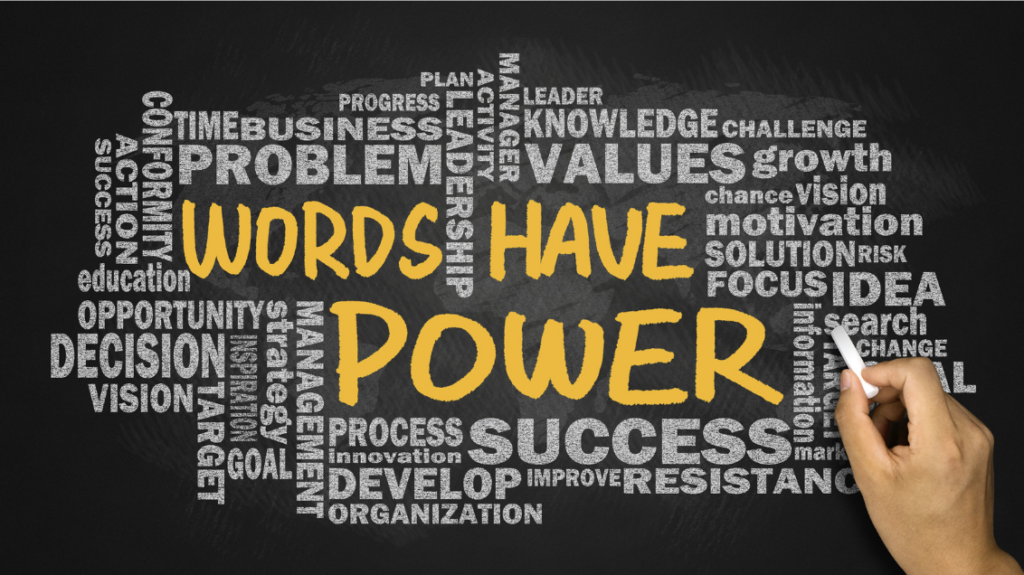
Language is one of the most powerful tools we possess. It shapes our thoughts, influences our emotions, and guides our behavior. Whether spoken or thought, our words hold immense power. They create our perception of the world and ourselves. Yet, how often do we pause to consider the impact of our language? In our fast-paced lives, it’s easy to fall into negative habits. Words and phrases that are judgmental, pessimistic, or harsh can sneak into our vocabulary, affecting our mindset and interactions. Today, I challenge you to explore the power of language with me. Let’s dive into how we can consciously frame our thoughts and words to create a more positive and empowering life. 💖 The Impact of Words Our words are more than just sounds or symbols; they are the building blocks of our reality. The way we talk to ourselves and others can uplift or diminish our spirits. For instance, consider the difference between “I have to go to work” and “I choose to go to work.” The first phrase feels like a burden, while the second one feels empowering. 🌻 Words like “but,” “have to,” and “should” often carry a negative connotation. They imply limitations and obligations that can weigh us down. By making small changes in our language, we can shift our mindset from one of constraint to one of choice and possibility. 🌟 Mindful Language: A Path to Empowerment Being mindful of our language means paying attention to the words we use and the underlying messages they convey. Here are some tips to help you become more conscious of your language and make empowering choices: Swap “But” for “And” The word “but” can negate everything that comes before it. For example, “I want to relax, but I have too much work to do.” This phrase creates a conflict between desires and obligations. By replacing “but” with “and,” we can acknowledge both realities without negating either: “I want to relax, and I have work to do. I’ll schedule some time for both.” 🦋 Choose Words of Intention Words like “have to” and “should” imply that we are being forced to do something against our will. Instead, try using “want to” or “choose to.” This simple shift can transform an obligation into a conscious decision: “I choose to exercise because it makes me feel good” instead of “I have to exercise.” 🌻 Embrace Possibility When faced with challenges, our language can either limit us or open up possibilities. Phrases like “that’s impossible” close doors, while “it has yet to be done” invite creativity and potential. By framing our thoughts in terms of possibilities, we can foster a growth mindset and approach problems with a more positive attitude. 🌈 Practice Self-Compassion Our self-talk plays a crucial role in shaping our self-esteem and overall well-being. Be kind and compassionate to yourself. Replace harsh self-criticism with gentle encouragement. Instead of saying, “I’m terrible at this,” try, “I’m learning and improving every day.” This shift can boost your confidence and resilience. 💖 The Ripple Effect of Positive Language Changing the way we speak to ourselves and others can have a profound impact on our lives. Positive language not only improves our mental and emotional well-being but also enhances our relationships and interactions. When we communicate with kindness and compassion, we create a more supportive and uplifting environment for everyone. ✨ Elevating Your State of Being By choosing words with less judgment and more compassion, we can elevate our state of being. This shift in language can lead to greater self-awareness, emotional regulation, and overall happiness. When we speak kindly to ourselves and others, we create a ripple effect that spreads positivity and joy. 🌟 Transforming Relationships Our words have the power to build or break relationships. By using positive and empowering language, we can strengthen our connections with others. When we listen and speak with empathy and understanding, we create deeper, more meaningful relationships. This, in turn, enhances our sense of belonging and fulfillment. 🦋 Practical Tips for Mindful Language To help you get started on your journey towards mindful language, here are some practical tips: Pause and Reflect: Before speaking or thinking, take a moment to pause and reflect on your words. Are they kind, compassionate, and empowering? If not, how can you reframe them? Use “I” Statements: When expressing feelings or opinions, use “I” statements to take ownership of your emotions and avoid placing blame. For example, “I feel frustrated when…” instead of “You make me feel…” Focus on Solutions: Instead of dwelling on problems, focus on finding solutions. This shift in perspective can help you approach challenges with a more positive and proactive mindset. Practice Gratitude: Incorporate gratitude into your daily language. Express appreciation for the people and things in your life. This practice can enhance your overall sense of well-being and happiness. Surround Yourself with Positivity: Surround yourself with positive influences, whether it’s people, books, or media. This can help reinforce your commitment to using empowering language. Language is a powerful tool that can shape our reality and transform our lives. By being mindful of our words and consciously choosing compassionate and empowering language, we can create a more positive and fulfilling life. 🌈 I challenge you to take a closer look at your language today. Notice words and phrases that contain judgments or imply limitations, and try swapping them for more compassionate and empowering ones. See how this shift can elevate your state of being and positively impact your life. ✨ Remember, the power of language is in your hands. Use it wisely and watch how it transforms your world. 💖
Finding Beauty in Life’s Unexpected Turns

I want to share a deeply personal story from a time in my life that challenged me in ways I never anticipated. This story isn’t just about the trials we face, but about the profound beauty and growth that can emerge from life’s most unexpected turns. The Joy of New Beginnings: Years ago, a moment filled with pure joy marked the arrival of my second child—a beautiful, healthy daughter. Like any parent, my heart was brimming with dreams and aspirations for her. I envisioned her future vividly, filled with laughter, learning, and love. However, life, as I would soon learn, does not always follow the script we write in our minds. My beautiful daughterage 2 days old. A Shift in the Journey: Within just a few months of her birth, a nagging feeling began to overshadow our happiness as it became apparent that something was amiss. After a series of visits to various doctors, the unsettling uncertainty was replaced with a stark diagnosis—my daughter was profoundly deaf. This news struck at the very core of my expectations, leaving a mix of confusion, grief, and an overwhelming sense of loss. Embracing the Unexpected: It was during this turbulent time that I came across a poem that echoed my emotions and experiences. It wasn’t just about parenting a child with a disability but about confronting life’s unpredicted paths—be it the loss of a spouse, a sudden divorce, health struggles, or a career upheaval. The central theme tied all these threads together: the profound impact of unmet expectations. We often envision our lives as straight paths towards our goals, but reality paints a far different picture. We set ourselves up for disappointment by clinging rigidly to our expectations of people, events, and outcomes. The true key to resilience, I learned, is in adjusting those expectations and finding beauty in life as it unfolds, even—and especially—when it deviates from our planned trajectories. Learning to Adjust the Sails: Years later, this lesson resurfaced with painful clarity as I faced a divorce after more than 30 years of marriage. Once again, life asked me if I would choose to cling to the past with bitterness and resentment or if I would embrace the present moment’s beauty and potential. I chose the latter. Life’s true beauty often lies in its unpredictability. Each twist and turn adds depth and color to our stories, shaping us in ways a straightforward path never could. We are the authors of our lives, and how we choose to write the next chapter is entirely up to us. Will we dwell on what might have been, or will we seek out joy and beauty in what exists now? Thriving in Change: As we navigate through life’s inevitable changes, it’s essential to learn how to adjust our sails to the shifting winds. This isn’t about giving up on dreams or settling for less than we deserve; rather, it’s about finding new directions and possibilities in the midst of change. It’s about thriving in transformation and seeing the unexpected as an opportunity to grow and evolve. I am here to support you as you navigate these shifts. Together, we can explore how to thrive amid changes, ensuring that you find ways to continue flourishing even when life takes unexpected turns. Life is an unpredictable journey filled with changes and challenges. It tests our resilience and forces us to grow in ways we might never have imagined. But within this unpredictability lies the true beauty of living. As we adjust our expectations and learn to embrace life’s vicissitudes, we uncover the strength and grace to continue moving forward—always finding beauty, no matter the turns our journeys take. Let us all embrace the beauty of now, for it is in the present that we truly live.
Transforming Habitual Reactivity

Introduction: The Power of Awareness in Reactivity Life is full of moments that test our ability to remain composed. These tests often come in the form of triggers—emotional, psychological, or even physical prompts that provoke an automatic response from us. Whether it’s anger at a criticism or anxiety from an unexpected challenge, our natural reaction is usually set on autopilot. But what if we could change the settings? What if we could pause, observe, and choose a response that aligns with our aspirations rather than our instincts? This blog delves into the transformative process of moving from habitual reactivity to skillful response. Understanding Triggers and Habitual Reactions Triggers are unique to each individual; they are the specific situations, words, or people that evoke a strong emotional response. This response can manifest as a tightening in the chest, a rush of heat, or an impulsive urge to act. It’s akin to touching a hot stove—the reaction is immediate and often without thought. For many, habitual reactions are the default settings—ingrained through past experiences and reinforced through repeated action. When criticized, a person might instinctively lash out or withdraw. When faced with disappointment, another might turn to substance abuse or binge eating. These behaviors, while momentarily comforting or relieving, often lead to negative outcomes and perpetuate a cycle of reactivity. Breaking the Cycle: The Role of Mindfulness The key to altering these reactive patterns lies in the practice of mindfulness. Mindfulness involves maintaining a moment-by-moment awareness of our thoughts, feelings, bodily sensations, and surrounding environment. It encourages an attitude of non-judgment and acceptance, allowing us to observe our triggers and habitual reactions without immediately succumbing to them. Step-by-Step Approach to Mindful Response Identification: The first step is to identify your triggers. What situations, words, or people make you feel out of control or overly emotional? Recognizing these helps you anticipate and prepare for your reactions. Observation: When a trigger occurs, instead of reacting, try observing your response from a place of curiosity and neutrality. What physical sensations do you notice? What emotions are surfacing? Observing distances you from the immediacy of the reaction and begins to weaken the automatic nature of the response. Pausing: Give yourself a moment to pause. This doesn’t have to be long—just a few breaths can create enough space for you to choose how you wish to proceed rather than plunging into habitual behavior. Choosing: In the space created by your pause, decide how you will respond. This choice should align with your goals and values. Ask yourself, “What response would be most helpful in this situation?” This is the moment of transformation—where you shift from reacting to responding. Acting: Finally, act on the choice you’ve made. This might involve expressing your feelings in a calm and assertive manner, choosing to walk away, or engaging in an activity that helps you de-stress. Challenges and Rewards The journey from reactivity to response is not without its challenges. Old habits are deeply ingrained, and the brain’s default response is often the path of least resistance—reacting in the familiar way. However, the rewards of this transformation are significant. By responding rather than reacting, you gain control over your emotional state, reduce stress, improve relationships, and generally enhance your quality of life. Embracing the Path of Transformation Pema Chödrön once said, “Let difficulty transform you. And it will. In my experience, we just need help in learning how not to run away.” By embracing the difficulties and using them as opportunities for growth, we transform our experiences from reactive to responsive. This doesn’t mean eliminating emotions or reactions, but rather choosing how we engage with them. Through mindfulness and practice, we can shift from being at the mercy of our triggers to being thoughtful architects of our responses. This journey is about becoming more conscious of our actions and reactions, leading to a life where each moment is met with intention and grace. By investing in these skills, we not only improve our own lives but also contribute to the well-being of those around us, creating a ripple effect of mindfulness and intentionality.
Self-Awareness: Empowering Your Response to Stress

In our fast-paced world, stress has become a constant companion for many. Whether it’s deadlines at work, unexpected problems, or daily hassles, stress seems inevitable. However, the key to managing stress effectively lies not in the events themselves but in how we respond to them. The ability to choose our response to challenging situations is empowered by self-awareness. This blog explores how cultivating self-awareness can transform our approach to stress and help us live more harmoniously. What is Self-Awareness? Self-awareness is the conscious knowledge of one’s own character, feelings, motives, and desires. It involves understanding our patterns, habits, and reactions. When we are self-aware, we can observe our responses to stress without immediately reacting to them. This pause is crucial—it gives us the space to choose a more thoughtful approach to the situation. The Negative Effects of Stress While stress is a natural response to challenging situations, chronic exposure can have serious negative effects on our physical and mental health. Physically, it can lead to symptoms such as headaches, fatigue, and sleep disturbances. Chronic stress can also weaken the immune system, making us more susceptible to illnesses. Mentally, it can contribute to anxiety, depression, irritability, and decreased concentration. Over time, these effects can significantly impair our ability to function effectively at work and maintain healthy relationships. The Automatic Pilot of Reactivity Much of our day-to-day life is spent on autopilot, where we react out of habit rather than act from awareness. Reactivity is a direct, impulse-driven response to stimuli or stress, often emotional and without consideration of the long-term effects. These reactions are frequently based on ingrained habits and are rarely the best course of action. For example, consider the reaction when someone cuts you off in traffic. The immediate impulse might be anger, honking the horn, or shouting—an understandable but reactive response that likely escalates your stress level without resolving the situation. Cultivating Self-Awareness The first step in becoming more self-aware is to observe ourselves in action. Mindfulness meditation is a powerful tool for developing this skill. It involves sitting quietly and paying attention to thoughts, feelings, and bodily sensations without judgment. This practice helps us become more aware of our mental and emotional processes, including how we respond to stress. Journaling is another effective method. By regularly writing down what happens to us and how we feel about it, we can observe patterns in our reactions and begin to understand our triggers. Learning to Respond, Not React A response, unlike a reaction, is well thought out, considers the broader context, and focuses on the best outcome. Responding requires pausing and choosing a course of action based on values and rational thought rather than impulsive feelings. Here are some steps to help you respond rather than react: 1. Pause: When you feel stressed, take a moment to stop. This break can be as simple as taking a deep breath. This pause provides a crucial gap to stop the automatic cycle of reactivity. 2. Identify the Feelings: Ask yourself, “What am I feeling right now?” Identifying your emotions reduces their intensity and helps you understand why you’re feeling them. 3. Analyze the Trigger: Look at what caused your emotional response. Understanding the trigger can often reveal ways to address it or help you realize that your response may be disproportionate to the actual event. 4. Choose a Thoughtful Response: Consider the consequences of your potential reactions and choose a response that aligns with your goals and values. This might mean choosing to walk away, expressing your feelings calmly, or offering a solution. Practical Applications Imagine you’re at work, and you receive an email that feels like a personal attack. Your immediate reaction might be to send a defensive reply. However, applying self-awareness, you take a deep breath (pause), recognize your feelings of anger and hurt (identify the feelings), consider the possible miscommunications that could have led to this exchange (analyze the trigger), and decide to discuss the matter in person to clear up misunderstandings (choose a thoughtful response). Building a Self-Aware Life Incorporating self-awareness into daily life can significantly alter our interactions and well-being. It helps us develop patience, empathy, and emotional intelligence. Over time, the choice to respond rather than react becomes more natural. Here are a few tips to foster self-awareness: Practice Mindfulness: Even a few minutes a day can increase your awareness. Seek Feedback: Sometimes, understanding how others see us can provide insights into our blind spots. Reflect: Spend time regularly to reflect on your experiences and your responses to them. Conclusion Stress is an unavoidable part of life, but our responses to it can make all the difference. By developing self-awareness, we can transform our automatic reactions into thoughtful responses. This change not only reduces our stress levels but also improves our relationships, our productivity, and our overall quality of life. Learning to respond thoughtfully means gaining control over our emotions and actions, steering our lives in the direction we truly want to go.