
How Our Thoughts Shape Our Feelings and Actions
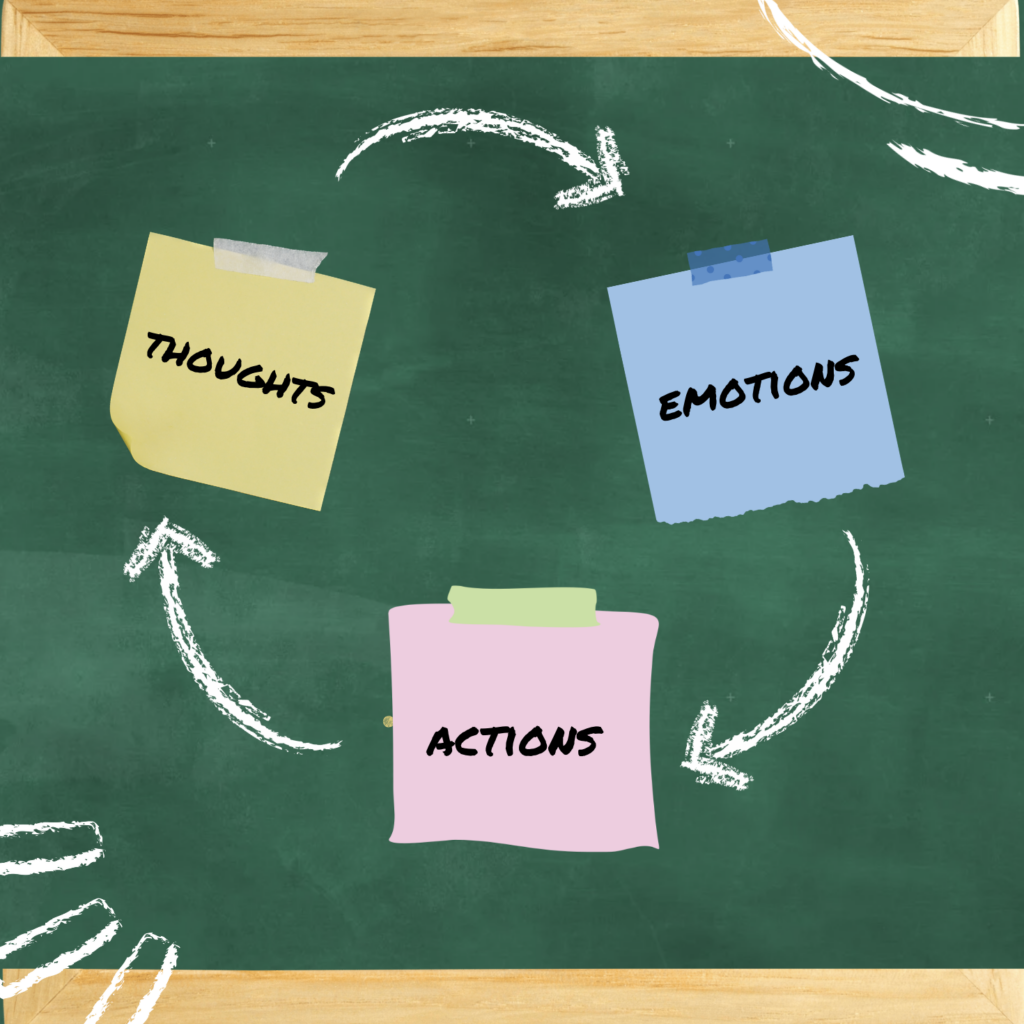
The Power of Thought Have you ever paused to notice how a fleeting thought can set off a storm of emotions within you? This phenomenon illustrates the profound power of our thoughts; they are the seeds from which our feelings sprout, eventually flowering into our actions. It’s akin to a chain reaction, where one element inevitably influences the next, collectively sculpting the fabric of our reality. Imagine your thoughts as artists, painting the canvas of your emotions, which then guide the brushstrokes of your actions. 🌱 Understanding the Connection Thoughts: The Architect of Our Reality Consider your brain as an industrious thought factory, tirelessly generating ideas and interpretations. These thoughts, shaped by our personal experiences, beliefs, and perceptions, serve as the master plan for our emotional responses. They are the architects, drafting the blueprints of our feelings, subtly influencing how we perceive and interact with the world around us. Just as a sculptor sees a statue in a block of marble, our minds perceive emotional and physical responses in the raw material of our thoughts. Feelings: The Heart’s Resonance Feelings act as the heart’s resonance to the symphony of our thoughts. A single positive thought can be like a ray of sunshine through the clouds, lifting our spirits and brightening our outlook. Conversely, a negative thought can cast a shadow over our mood, plunging us into a whirlpool of despair or anger. This emotional response is akin to a cocktail meticulously crafted by our brains, blending various ingredients to create a unique flavor of emotion in response to our thoughts. 🍹 Actions: The Manifestation Our actions are the tangible manifestations of the intricate dance between our thoughts and feelings. They are the expressions of our internal states, made visible to the outside world. This process of turning the invisible (thoughts and feelings) into the visible (actions) is the essence of our being, showcasing how deeply intertwined our thoughts, emotions, and behaviors truly are. It’s as if our actions are the final notes in a melody, dictated by the rhythm of our thoughts and the harmony of our feelings. The Cycle in Action Picture a scenario where you’re greeted by a rainy day just as you planned an outdoor activity. Your initial thought might be one of frustration: “This rain has ruined my plans!” This thought naturally leads to feelings of disappointment or irritation, which might prompt you to cancel your plans or choose to stay indoors, actions directly influenced by your inner emotional state. The rainy day scenario perfectly encapsulates how our thoughts about an event can significantly impact our emotional and behavioral response to it. ☔ Harnessing the Power Shifting Thoughts The secret lies in intercepting these thoughts at their inception. Instead of surrendering to a negative spiral, why not flip the narrative? For instance, view the rain as an unexpected opportunity to indulge in some relaxation or to tackle an indoor project. This shift in perspective is akin to choosing a different path at a crossroads, one that leads to a more positive and empowering destination. Managing Feelings It’s vital to recognize and validate your feelings; they are a legitimate response to your thoughts and circumstances. However, it’s crucial to remember that these feelings don’t have to dictate your actions. By allowing yourself to fully experience your emotions while maintaining a perspective that these feelings are transient, you can make deliberate choices about how to react and proceed. Choosing Actions Your actions are where your power truly lies. They represent your ability to take control, moving beyond automatic reactions to make choices that reflect your true self and aspirations. This deliberate action-taking can be empowering, helping to break the cycle of reactive behavior and setting a course that aligns more closely with your personal values and goals. In Practice Consider the anxiety that might grip you at the thought of tackling a daunting work project. This fear could easily lead to procrastination, a common reaction driven by underlying feelings of anxiety. However, by shifting your perspective and viewing the project as an opportunity for growth and learning, you can transform that anxiety into a sense of curiosity and drive. This proactive approach not only alleviates the initial anxiety but also paves the way for a more fulfilling and productive response. The Takeaway Our thoughts, feelings, and actions are inextricably linked, forming a continuous loop that shapes our experiences and realities. By becoming more conscious of this dynamic interplay, we gain the power to steer our lives in the direction we desire, turning potential distractions into purposeful direction. It’s a journey of transformation, one thought at a time, inviting us to take the reins and consciously shape our path forward. 🚀 This expanded guide dives deeper into the profound influence our thoughts exert on our feelings and actions, offering insights and strategies to harness this power for positive change. Ready to embark on this transformative journey? Let’s navigate this intricate landscape together, turning our thoughts into a force for positive action and fulfillment. 🌟
Unlocking True Joy: Your Path to a Fulfilled Life

In the whirlwind of our daily routines, jam-packed with back-to-back meetings, endless to-do lists, and the relentless pursuit of goals, we often lose sight of a fundamental quest—the search for what truly brings us joy. This quest, far from being a whimsical or frivolous pursuit, is the bedrock of a deeply fulfilling life. It’s about discovering those sparks that light up our eyes, quicken our heartbeats, and infuse our days with meaning beyond the mundane. The Joy Compass: Navigating Towards Fulfillment Joy, in its purest form, is that effervescent feeling that bubbles up from within when we’re engaged in activities or surrounded by people who resonate with our deepest selves. It’s the laughter that erupts in the company of good friends, the sense of awe gazing at a breathtaking sunset, or the profound satisfaction of contributing to a cause greater than ourselves. However, in the hustle of life, this joy compass can get buried under layers of obligations, expectations, and societal pressures. Rediscovering it requires a conscious effort—a pause in our relentless routines to tune in to our inner selves and listen to the whispers of our hearts. The Quest for Joy: Why It Matters Embarking on this quest for feeling is not a luxury; it’s a necessity for our overall well-being. Studies have shown that engaging in activities that bring us joy can boost our mental and physical health, enhance our resilience to stress, and deepen our connections with others. It acts as a buffer against burnout, a spark that can ignite creativity, and a glue that binds us to the people and the world around us. Discovering Yours: A Personal Odyssey Finding what brings you true joy is a deeply personal journey, one that might require some introspection and experimentation. Here are a few strategies to guide you on this odyssey: Reflect on Past Experiences: Think back to moments in your life when you felt most alive, most yourself. What were you doing? Who were you with? Identifying these past highlights can provide clues to your current sources of happiness. Explore and Experiment: Give yourself permission to try new things, whether it’s a hobby you’ve always been curious about, a skill you’ve wanted to learn, or an adventure you’ve dreamed of taking. The process of exploration itself can be a source of joy. Savor the Simple Pleasures: Sometimes, joy hides in the simplest of moments—the aroma of your morning coffee, the feel of sunlight on your face, or the melody of your favorite song. Practice mindfulness to savor these fleeting joys. Connect with Your Community: Joy often flourishes in the presence of meaningful connections. Engage with your community, whether it’s through volunteering, joining a club or group that shares your interests, or simply spending quality time with loved ones. Align Your Life with Your Values: True joy often springs from living a life that’s aligned with your deepest values. Take time to reflect on what matters most to you and make choices that reflect these values. The Ripple Effect When you discover and engage in activities that bring you true joy, the effects ripple outwards, touching every aspect of your life. It breeds positivity, and this positivity can enhance your relationships, boost your productivity, and even inspire those around you. It’s a cycle of positivity that can transform not just your life, but also the lives of those you touch. Embracing Joy in the Everyday Incorporating it into your daily life doesn’t have to mean making drastic changes. It can start with small, intentional acts—choosing to start your day with a gratitude practice, taking short breaks to do something you love, or ending your day with a reflection on the moments that brought you this feeling. Your Joyful Manifesto As you embark on this journey of discovering what truly brings you joy, remember that this is your unique path. There’s no one-size-fits-all recipe — it’s as diverse as humanity itself. Embrace this quest with an open heart and a curious mind, and let it be your compass towards a more fulfilled and vibrant life. In the end, the pursuit of joy is more than just finding what makes us happy—it’s about connecting with our authentic selves, cultivating a sense of purpose, and embracing the beauty of our lives in all its facets. So go ahead, dive into this journey of discovery, and let joy be your guide to a richer, more meaningful existence.
Unraveling the Mysteries of G.A.I.L.s: Your Path to Unleashing Potential

Do You Have Untapped Potential???? Embarking on the journey of self-discovery and personal development, we often encounter obstacles that seem to emerge from the depths of our own minds. These barriers that can prevent us from reaching our full potential, known as G.A.I.L.s (Gremlins, Assumptions, Interpretations, and Limiting Beliefs), are not just figments of our imagination; they are very real and have a profound impact on our ability to achieve our goals and live a fulfilling life. Subtle yet the profound impact these internal narratives have on our lives are not just mere words but powerful forces that shape our reality from the shadows, influencing how we perceive ourselves and the world around us. Let’s embark on a transformative journey to understand and conquer these hidden adversaries, opening doors to a realm of untapped possibilities.In this comprehensive guide, we’ll explore the nature of these internal obstacles and offer actionable strategies to overcome them, unlocking a world of opportunities and potential. 1. Gremlins: The Whisperers of Self-Doubt Picture this: a small, nagging voice in the back of your mind, constantly undermining your self-esteem with tales of inadequacy. These are your Gremlins, the architects of self-doubt, crafting stories that echo the sentiment of ‘never being enough.’ They are those nagging voices inside your head that feed you negative self-talk, convincing you that you’re not good enough, smart enough, or worthy of success. Gremlins are the embodiment of self-doubt and often the root cause of our fears and insecurities.The trick to diminishing their power lies in recognition and naming; it’s like shining a light on a shadow, diminishing its hold over you. Next time you hear that whisper, acknowledge it, name it, and gently but firmly tell it, “Not today.” Overcoming Strategy Name Your Gremlin: Giving your gremlin a name can make it less intimidating and easier to manage. Talk Back: Challenge your gremlin’s assertions. For every negative statement, counter with a positive affirmation about your capabilities and achievements. Visualize Success: Instead of imagining the worst-case scenario, visualize yourself succeeding and overcoming challenges. 2. Assumptions: Breaking the Chains of the Past Assumptions are tricky; they trick you into believing that past experiences dictate the future, trapping you in a cycle of repeated outcomes. It’s akin to watching the same play unfold, knowing the ending yet feeling powerless to change it. Assumptions are beliefs that because something happened in the past, it is bound to happen again. This kind of thinking can trap you in a cycle of self-fulfilling prophecies, limiting your ability to see alternative outcomes.Challenge this notion by questioning the inevitability of repetition. Ask yourself, “Is history truly doomed to repeat itself, or do I have the power to change the narrative?” This shift in perspective can be liberating, opening up new pathways that were previously obscured by the shadows of past experiences. Overcoming Strategy Question Your Assumptions: Ask yourself, “Is it absolutely true that the past will repeat itself? What evidence supports a different outcome?” Seek New Experiences: Actively put yourself in new situations that challenge your assumptions and allow you to form new, more positive expectations. Embrace Flexibility: Be open to different outcomes and understand that change is a constant part of life. 3. Interpretations: Seeing the World Through a New Lens Interpretations are the meanings we assign to experiences, often influenced by our beliefs and past experiences. They can skew our perception of reality and limit our understanding of the world around us. Our reality is a canvas, and our Interpretations are the brushes with which we paint. Anais Nin’s words, “We do not see the world as it is, we see it as we are,” encapsulate the essence of this concept. Our perceptions are tinted by the lenses of our personal experiences and beliefs, often leading us to accept our subjective interpretations as universal truths. To broaden your horizon, dare to question your perspective by entertaining the possibility of alternative viewpoints. This practice not only enriches your understanding but also fosters empathy and connection. Overcoming Strategy Consider Alternative Perspectives: Actively seek out different viewpoints and consider how others might interpret the same situation differently. Practice Empathy: Put yourself in others’ shoes to understand their actions and motivations better. Challenge Your Perceptions: Regularly question your interpretations and the basis for your beliefs. 4. Limiting Beliefs:The Invisible Fences Limiting beliefs are the deeply ingrained convictions that constrain our potential and dictate what we believe is possible. They often stem from past experiences, societal norms, or the influence of significant figures in our lives. Limiting Beliefs are the silent sentinels that guard the borders of our potential, often inherited from external influences and internalized over time. They whisper tales of impossibility and constraints, shaping our actions and choices within the confines of these invisible barriers. Confronting these beliefs requires a blend of introspection and defiance. Ask yourself, “Who said this is the limit, and why should I agree?” Often, you’ll find that these boundaries are self-imposed and can be dismantled with courage and conviction. Overcoming Strategy Identify and Acknowledge: Make a list of your limiting beliefs and acknowledge their presence in your life. Seek Contradictory Evidence: Actively look for examples and situations that contradict your limiting beliefs. Reframe Your Beliefs: Transform limiting beliefs into empowering beliefs by changing your narrative. Implementing Change: A Practical Approach To truly overcome your G.A.I.L.s, it’s essential to integrate these strategies into your daily life. Start by maintaining a journal where you can document instances when these obstacles arise. Reflect on your reactions and how they influenced the outcome. Gradually, you’ll begin to notice patterns and will be better equipped to implement the overcoming strategies in real-time. The Road to Liberation Embarking on the journey of confronting your G.A.I.L.s is akin to navigating a labyrinth within your psyche, where the treasure is the liberation of your true self from the shackles of unfounded fears and beliefs. Start by maintaining a diary dedicated to your encounters with these internal adversaries. Documenting these experiences will not only
Explore Your Personal Core Values

Unifying Personal and Professional Values:A Life Coach’s Journey As a dedicated life coach, I firmly believe in the importance of aligning my actions with my personal core values, both personally and professionally. This conviction guided my decision to unify my personal and business Facebook profiles, underscoring the critical role that core values play in fostering transparency and integrity in all aspects of life. Living by My Core Values My core values: Integrity, Connection, Authenticity, Positivity, and Kindness, are like my daily playlist, setting the tone for every move I make. By blending my coaching life with my personal side, I ensure these values remain at the heart of all I do. They act as my north star, providing me with purpose, a solid sense of worth, and a clear focus on what truly matters. Integrity: The quality of being honest and having strong moral principles. Walking the talk. Connection: A deep bond between people; when they feel seen and valued. Exchange of positive energy, building trust. Authenticity: Being genuine and original. Positivity: Maintaining a positive or optimistic attitude. Kindness: Being friendly, generous, and considerate. The Importance of Core Values in Our Personal Lives Core values are the roots of our personality, deeply embedded in our actions and shaping our convictions. Values like reliability, dependability, loyalty, honesty, commitment, consistency, and efficiency aren’t just fancy words; they are the cornerstones of our character. When individuals speak of their partners mirroring their values in fulfilling relationships, they highlight these fundamental beliefs orchestrating their daily lives. Exploring positive core values, we uncover treasures such as prudent resource management, profound reverence for family bonds, trust-building, and an unwavering belief in honesty. These values guide parents, lighting the path they wish to pave for their children, ensuring a tapestry of happiness and success as they step into adulthood. While an ideal world would reflect only the brightest traits, life’s tumultuous journey can cast shadows, birthing values tinted with negativity. These darker hues often emerge from challenging circumstances, insecurities, or fear, steering individuals toward a survival mindset. It’s essential to distinguish between values and priorities. While priorities are the goals we aim to achieve, our values are the essence of our being, the lens through which we view the world. They are not aspirations we chase but are woven into the very fabric of our identity. Consider your core values as the lighthouse guiding your ship through life’s tempestuous seas. They influence your every word, decision, and action, illuminating the path that aligns with your true self. Engaging in Regular Introspection Regular introspection of your values, recalibrating them to ensure they resonate with your innermost self, is not just beneficial but essential. This ongoing process of reflection and adjustment is a cornerstone of personal growth, allowing you to navigate life with a clear sense of direction and purpose. By embracing and honing your core values, you pave the way for a life that reflects who you truly are and propels you toward realizing your fullest potential. Personal Core Values and Living Authentically Core values serve as guiding principles that shape our decisions and behaviors. Like the wood that generates energy in your woodstove, they are deeply ingrained beliefs contributing to our self-identity. Living authentically means staying true to oneself, aligning actions with core values, and expressing honesty and genuineness. When living authentically, individuals prioritize values such as honesty, integrity, respect, kindness, courage, and compassion. They consciously make choices and take actions that uphold these values, even if it means deviating from societal norms or expectations. Authentic living brings fulfillment, purpose, and inner peace as individuals embrace their true selves and beliefs. It also inspires others to do the same, fostering positive change in the world. Steps to Explore Your Values Step #1: Ask Questions About Good Values Reflect on Experiences: Think about feelings, qualities, or experiences that matter the most to you. Where are you uncomfortable? Where do you feel stuck? When do you get most excited? What really moves you? What really annoys you? What qualities in others do you most admire and why? Identify Desires: Consider what you want more of in your life. How do you want to feel when you’re truly living your values? Joyful? Balanced? Healthy? Empowered? Document: Write down the values that resonate with you. Use your journal to explore how each value shows up in your daily life. Look up the definition for each one you choose. Step #2: Identify Core Value Themes Group Similar Values: As you review your list of core values, you’ll notice some words have similar meanings or fall into specific themes. Group these words together under an overarching value word from your list. For example, calmness, simplicity, and peacefulness may fall under a “mindfulness” theme. Resonate Values: Choose values that resonate most with what you want for your life, rather than common values you think you should prioritize. Step #3: Narrow It Down Reduce the List: Try to narrow your list to no more than 10 core values. Then, identify the top five that define who you are. Step #4: Prioritize Them Rank Your Values: Rank your list of five personal core values to clarify what’s most important to you. This may take some time. Examine where the buck stops for you. Action Plan: Decide on one action for each value on your final list. Try this exercise daily for a week to uncover themes and patterns in your decisions at work and in your personal life. How will you live this value more fully? How can you add more of this value to your life? Continuous Evolution Your values will change over time, so consider this an ongoing work. Although, you will notice that your Personal Core Values run deeper and are less like to change. Revisit your values yearly to ensure you are prioritizing the right values for your life. By consciously aligning your actions with your core values, you pave the way for a rewarding and purposeful life, living authentically and inspiring others to do the same.
Navigating the Storm Alone: A Tale of Resilience and Compassion

A Storm In the midst of the impending hurricane, as the days drew closer to its expected landfall, I found myself in a unique position. My boys were safely with their father in another state, which filled me with gratitude for their safety but also left me acutely aware of my solitude. I began to go through my “Emergency Storm Checklist,” a routine that had become second nature to me. Contacting someone to cover my windows, seeking assistance to move furniture from my back porch, and the inevitable trip to the grocery store for the essential “milk, water, and bread.” As I went through these motions, I couldn’t help but wonder why, as a society, we all seem to follow this ritual. Perhaps it’s a regional custom, as I don’t recall such preparations during my upbringing in Canada. My mother, too, was in the path of the storm, but her concern was mainly for me this time, knowing that I was alone. It made me reflect on my previous marriage, where my husband had never taken charge of storm preparedness. In reality, I was doing everything I had always done – handling every detail. He was typically absent, only appearing for the event itself. What had changed was the psychology of my situation; I was alone this time, without the comfort of being surrounded by my family during a looming storm. A decade ago, when one of my children was three hours away at university, I vividly remember the anxiety I felt when a tornado threatened our state. It was the first time any of my children were separated from me during a significant event, and it was a stark reminder of how important our family’s presence was during such times. Slowly, as more of my children left the nest, I became accustomed to being apart during uncertain times. I was always the “home base,” surrounded by my younger ones and my husband’s presence, which provided solace. Now, for the first time, I was the one who was “away” and alone. Friends checked in, but everyone was preoccupied with their own storm preparations. Text messages from afar momentarily reminded me that people cared, but the looming dark sky and the silence in my house sent shivers down my spine, emphasizing my aloneness. I battled stress and worry each time I checked my hurricane app, and emergency alerts seemed to trigger mini-heart attacks. Our town was still operating normally, but with clear instructions to stay put and be prepared. In the past, I had so many children around me that I sometimes neglected to think about others outside my family. However, in this storm event, I discovered an incredible opportunity to combat the fear of being alone – reaching out to others. I realized that we are only as alone as our minds convince us we are. I started thinking about the older and single people on the island who might need assistance. Reaching out to them created a deep sense of connection in the midst of turmoil. I slowed down my racing thoughts with deep meditative breathing, which helped dispel negative thoughts. With a clear and centered mind, I became more creative and resourceful. I filled containers with water, took care of laundry and dishes before losing power, and ensured that everything was in order for the impending storm. Although the situation was out of my control, I felt empowered by embracing the fact that I could handle it alone. Instead of dwelling on fears and feeling like a victim, I learned to be strong and reach out to others. Once all the preparations were complete, there was nothing left to do but wait. Waiting could be maddening if you allowed it to be. It was tempting to obsessively watch the news and check various hurricane apps, each predicting slightly different outcomes and adding to the stress. Then, a timely text message arrived: “Calm. You can’t calm a storm, but you can calm yourself. The storm will pass.” I put on some soothing music, poured a glass of wine, and calmed my racing thoughts to be present in the moment. Days later, I reflected on the significance of light during a storm. We have the choice every day to let our personal light shine on others, regardless of our own circumstances. While we may not have to save the entire world, extending our circle once in a while and empathizing with someone else’s perspective can lead to profound insights. Challenges, as I realized, are opportunities waiting to happen. When we stand beside others in their times of need, we contribute to the greater good. Living a stronger life involves being helpful, grateful, and willing to seek the light within the storm. The natural world may present hardships, but the human spirit offers perseverance and virtuous actions. Reaching out to those in need not only brings insight but also shifts our focus away from ourselves. It nurtures compassion and self-worth, setting an example for others to follow and providing valuable perspective in our own lives. Even during a hurricane, knowing you’re not alone can make the ordeal far less daunting. In the aftermath of the hurricane, I learned some valuable lessons: I am not alone. I am capable of handling challenges. Teaching my children the importance of reaching out to others is essential. The words “stay safe” carry profound meaning. Our ability to solve problems defines us as individuals. This experience was a testament to the resilience of the human spirit and the power of reaching out to others in times of adversity.
Grief After Divorce: Courageously Embracing the Journey

I knew something was different this time. We always had our ups and downs, but this time we were not coming back up. No matter what I did—self-help books, coaching, scouring the internet for anything—ultimately, my marriage tanked. After 30 years and nine children together, he told me that he needed to be free to be with the true love of his life. My life, and everything I knew, crashed down around me. Divorce. It took months before I acknowledged the fact that I needed to grieve and what exactly was involved with that process. I thought grieving was only associated with death. In essence, my marriage and the future I envisioned did die. So grieving isn’t just about physical death; it can also be an emotional reaction to the loss of something deeply loved. Loss of a marriage is not just something you get over and move on from quickly. Even if you truly feel it is the best decision for you, it still hurts and needs to be acknowledged. It is important to be aware of the stages of grief in order to embrace the emotions and feelings that are an integral part of the natural healing process. These stages are imperative to healthy healing. The five stages of grieving a divorce are: 1. DENIAL In reality, my husband was showing many signs that he had already abandoned our marriage prior to the announcement. I just subconsciously refused to accept it. I had reverted into a panic mode as I tried everything to pull the only thing I ever knew back into normalcy. My brain wouldn’t even allow the idea of divorce to enter. BUT—nothing I did changed a thing. When my head finally wrapped around this reality… 2. ANGER Anger set in. There was a huge pity party that occurred at that time. The feelings on the guest list were: unloved, rejection, ugly, unworthy, pity, weakness, and failure. When anger arrived unannounced to the party, everything changed. My heart started to harden. It was an overwhelming feeling that seemed to have no end. Feeling angry is important; anger helps us stay alive in the midst of great danger. If we think evolutionarily, an angry cavewoman had the strength to kill a lion to protect herself or her offspring. Similarly, feeling angry in the midst of so much pain protects us from breaking apart, from feeling pity towards ourselves, and helps us stay alive. These feelings are neither positive nor negative. They simply serve to protect us when we need them. 3. BARGAINING This is when a person begins to think of everything they can do to save the relationship—in other words, the negotiation stage. A last desperate sign of hope to resolve the issues and avoid ending the relationship. During this stage, people often put all of their efforts into saving the relationship, but they are often met with rejection, leading to overwhelming feelings of loneliness. I recently found journals that I made during the early months of my marital separation in early 2020. I was so extremely desperate that, from where I stand now, looking back, I could judge myself as pathetic. I have vivid memories of begging him to just give me a chance to prove my love to him. My Ex had already made his decision, and ultimately I just could not accept it. I literally tried everything known to woman… self-education, personal growth development, intensive research, primal sex… I felt like I was willing to sell my soul to bargain for my marriage. But… he was done, so it did not matter at that point what I did… he had officially checked out. 4. DEPRESSION Many individuals who have experienced depression after divorce describe it as feeling hopeless, overwhelmingly sad, deeply lonely, with no vision of the future, and unable to see the light at the end of the tunnel. This stage is a very vulnerable stage for many individuals and the people that surround them. During this stage, the reality finally sinks in, and the pain can feel unbearable. This is the stage where you see how the life you had planned on having will no longer take place, that your dreams and future plans will no longer exist, and that deeply hurts. When depression finally slapped me across the face, I flew across the room, landed on the floor, and had no desire to get up, ever again. I felt like a victim and apathetic, completely out of control. Like I had no choices left to make and that I was not valuable. There was nothing I could do about it, so why bother was my thought fueling my emotions. I just wanted to sever the pain and not think about life. I cried at random times throughout the day and had uncontrollable moments of self-judgment, feeling completely unlovable. Realizing this is catabolic energy that fosters self-pity… I understood that I don’t live in the world alone, I had children who still needed me. I had to peel myself off the floor and deal with my shit! Did that realization enable my depression to check itself out? NO! It did give me a reason to get outside of my absorption and to get off my proverbial floor and get moving again in a positive direction. When you take your eyes off of yourself and start to focus on helping others who are caught in the collateral damage of divorce, it can help put a break in your depressive cycle. It is important that you experience the pain of your divorce and embrace the sadness, as this will allow you to go through the final stage of grief which will help you to eventually move on. Just sit and be still in this stage of grief as long as you have to, and cry as often as you need to. It’s okay to be sad and feel the pain. WARNING: It is natural to want to numb the pain. Alcohol and