
I knew something was different this time. We always had our ups and downs, but this time we were not coming back up. No matter what I did—self-help books, coaching, scouring the internet for anything—ultimately, my marriage tanked. After 30 years and nine children together, he told me that he needed to be free to be with the true love of his life.
My life, and everything I knew, crashed down around me. Divorce.
It took months before I acknowledged the fact that I needed to grieve and what exactly was involved with that process. I thought grieving was only associated with death. In essence, my marriage and the future I envisioned did die. So grieving isn’t just about physical death; it can also be an emotional reaction to the loss of something deeply loved.
Loss of a marriage is not just something you get over and move on from quickly. Even if you truly feel it is the best decision for you, it still hurts and needs to be acknowledged.
It is important to be aware of the stages of grief in order to embrace the emotions and feelings that are an integral part of the natural healing process. These stages are imperative to healthy healing.
The five stages of grieving a divorce are:
1. DENIAL
In reality, my husband was showing many signs that he had already abandoned our marriage prior to the announcement. I just subconsciously refused to accept it. I had reverted into a panic mode as I tried everything to pull the only thing I ever knew back into normalcy. My brain wouldn’t even allow the idea of divorce to enter. BUT—nothing I did changed a thing. When my head finally wrapped around this reality…
2. ANGER
Anger set in. There was a huge pity party that occurred at that time. The feelings on the guest list were: unloved, rejection, ugly, unworthy, pity, weakness, and failure. When anger arrived unannounced to the party, everything changed. My heart started to harden. It was an overwhelming feeling that seemed to have no end.
Feeling angry is important; anger helps us stay alive in the midst of great danger. If we think evolutionarily, an angry cavewoman had the strength to kill a lion to protect herself or her offspring. Similarly, feeling angry in the midst of so much pain protects us from breaking apart, from feeling pity towards ourselves, and helps us stay alive. These feelings are neither positive nor negative. They simply serve to protect us when we need them.
3. BARGAINING
This is when a person begins to think of everything they can do to save the relationship—in other words, the negotiation stage. A last desperate sign of hope to resolve the issues and avoid ending the relationship. During this stage, people often put all of their efforts into saving the relationship, but they are often met with rejection, leading to overwhelming feelings of loneliness.
I recently found journals that I made during the early months of my marital separation in early 2020. I was so extremely desperate that, from where I stand now, looking back, I could judge myself as pathetic. I have vivid memories of begging him to just give me a chance to prove my love to him.
My Ex had already made his decision, and ultimately I just could not accept it. I literally tried everything known to woman… self-education, personal growth development, intensive research, primal sex… I felt like I was willing to sell my soul to bargain for my marriage. But… he was done, so it did not matter at that point what I did… he had officially checked out.
4. DEPRESSION
Many individuals who have experienced depression after divorce describe it as feeling hopeless, overwhelmingly sad, deeply lonely, with no vision of the future, and unable to see the light at the end of the tunnel. This stage is a very vulnerable stage for many individuals and the people that surround them. During this stage, the reality finally sinks in, and the pain can feel unbearable. This is the stage where you see how the life you had planned on having will no longer take place, that your dreams and future plans will no longer exist, and that deeply hurts.
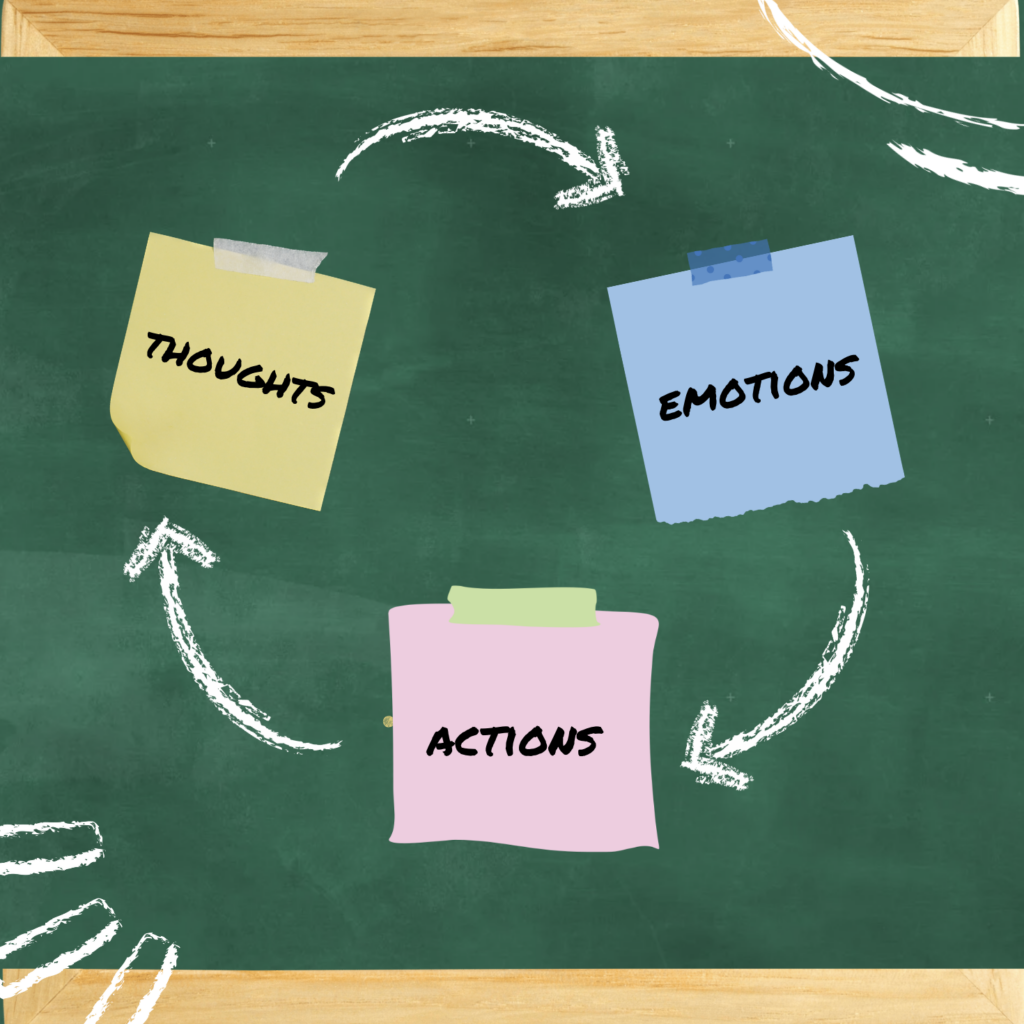
When depression finally slapped me across the face, I flew across the room, landed on the floor, and had no desire to get up, ever again. I felt like a victim and apathetic, completely out of control. Like I had no choices left to make and that I was not valuable. There was nothing I could do about it, so why bother was my thought fueling my emotions. I just wanted to sever the pain and not think about life. I cried at random times throughout the day and had uncontrollable moments of self-judgment, feeling completely unlovable.
Realizing this is catabolic energy that fosters self-pity… I understood that I don’t live in the world alone, I had children who still needed me. I had to peel myself off the floor and deal with my shit! Did that realization enable my depression to check itself out? NO! It did give me a reason to get outside of my absorption and to get off my proverbial floor and get moving again in a positive direction. When you take your eyes off of yourself and start to focus on helping others who are caught in the collateral damage of divorce, it can help put a break in your depressive cycle.
It is important that you experience the pain of your divorce and embrace the sadness, as this will allow you to go through the final stage of grief which will help you to eventually move on. Just sit and be still in this stage of grief as long as you have to, and cry as often as you need to. It’s okay to be sad and feel the pain.
WARNING: It is natural to want to numb the pain. Alcohol and drugs can do that for you. Yet, numbing the pain that is still present prevents you from processing it. I found myself in this run, rinse, repeat cycle of pain and numbing which I coddled with a bottle of wine every night.
Eventually, I recognized that I wanted to free myself from the stage of depression I was stuck in. I subscribed to a 3-month alcohol-free group so I could clear my mind, feel the pain, and go straight through the agony of fire in order to get to the other side. Like a child cannot walk without crawling first, we cannot heal from the pain of divorce without truly acknowledging and fully embracing all of our emotions head-on.
Be careful here, you could end up stuck in the run, rinse, repeat cycle of divorce depression for a very long time! We MUST feel the pain in order to process and move on to acceptance. When we numb the pain, we cannot move on to the next stage, which is necessary to process our grief in divorce.
5. ACCEPTANCE
Acceptance means that you acknowledge that the relationship is over and that there is a new chapter to write. Accepting that your marriage is over gives you closure. You can dry your tears, choose to move on, and stop focusing on your Ex. During this stage, you realize that you are the author of your life and it’s only you who will write the next chapter. This stage involves accepting that the previous life you had planned will no longer take place and you are ready to let that vision go. Understanding and embracing that this has not happened to you but instead for you, frees you.
I was nineteen when I first met my husband. Fifty-something when I found myself alone. I spent 30-plus years being the best mother and wife I could be. So when acceptance finally settled in,
the exciting question was…
WHO THE HELL WAS I?????
When I finally remembered who I was, the game changed!