
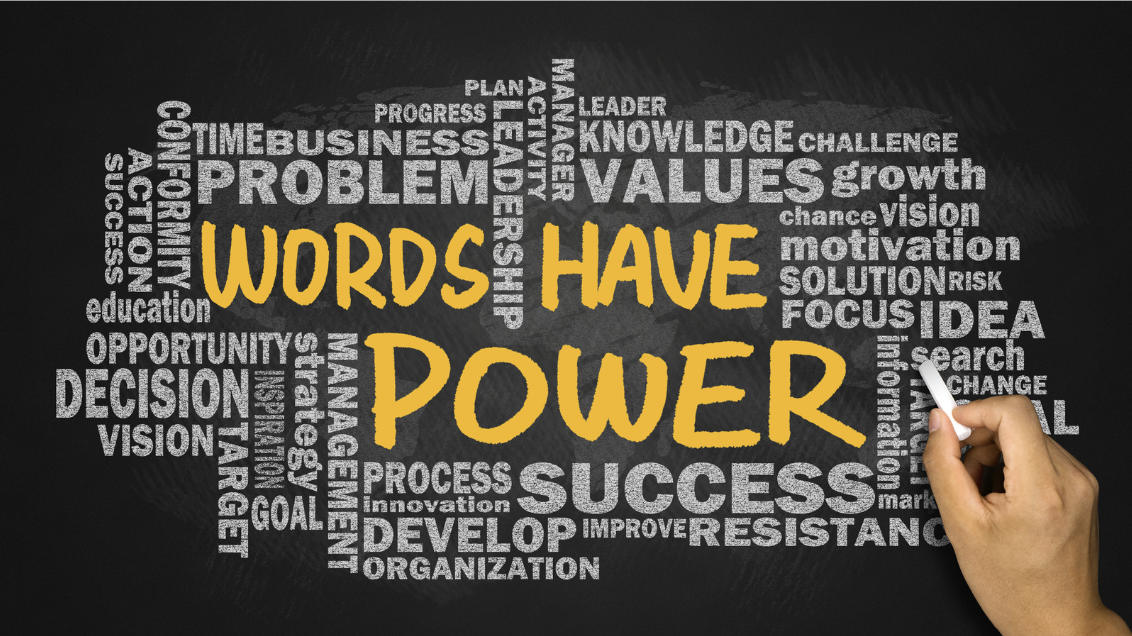
Language is one of the most powerful tools we possess. It shapes our thoughts, influences our emotions, and guides our behavior. Whether spoken or thought, our words hold immense power. They create our perception of the world and ourselves. Yet, how often do we pause to consider the impact of our language?
In our fast-paced lives, it’s easy to fall into negative habits. Words and phrases that are judgmental, pessimistic, or harsh can sneak into our vocabulary, affecting our mindset and interactions. Today, I challenge you to explore the power of language with me. Let’s dive into how we can consciously frame our thoughts and words to create a more positive and empowering life. 💖
The Impact of Words
Our words are more than just sounds or symbols; they are the building blocks of our reality. The way we talk to ourselves and others can uplift or diminish our spirits. For instance, consider the difference between “I have to go to work” and “I choose to go to work.” The first phrase feels like a burden, while the second one feels empowering. 🌻
Words like “but,” “have to,” and “should” often carry a negative connotation. They imply limitations and obligations that can weigh us down. By making small changes in our language, we can shift our mindset from one of constraint to one of choice and possibility. 🌟
Mindful Language: A Path to Empowerment
Being mindful of our language means paying attention to the words we use and the underlying messages they convey. Here are some tips to help you become more conscious of your language and make empowering choices:
Swap “But” for “And”
The word “but” can negate everything that comes before it. For example, “I want to relax, but I have too much work to do.” This phrase creates a conflict between desires and obligations. By replacing “but” with “and,” we can acknowledge both realities without negating either: “I want to relax, and I have work to do. I’ll schedule some time for both.” 🦋
Choose Words of Intention
Words like “have to” and “should” imply that we are being forced to do something against our will. Instead, try using “want to” or “choose to.” This simple shift can transform an obligation into a conscious decision: “I choose to exercise because it makes me feel good” instead of “I have to exercise.” 🌻
Embrace Possibility
When faced with challenges, our language can either limit us or open up possibilities. Phrases like “that’s impossible” close doors, while “it has yet to be done” invite creativity and potential. By framing our thoughts in terms of possibilities, we can foster a growth mindset and approach problems with a more positive attitude. 🌈
Practice Self-Compassion
Our self-talk plays a crucial role in shaping our self-esteem and overall well-being. Be kind and compassionate to yourself. Replace harsh self-criticism with gentle encouragement. Instead of saying, “I’m terrible at this,” try, “I’m learning and improving every day.” This shift can boost your confidence and resilience. 💖
The Ripple Effect of Positive Language
Changing the way we speak to ourselves and others can have a profound impact on our lives. Positive language not only improves our mental and emotional well-being but also enhances our relationships and interactions. When we communicate with kindness and compassion, we create a more supportive and uplifting environment for everyone. ✨
Elevating Your State of Being
By choosing words with less judgment and more compassion, we can elevate our state of being. This shift in language can lead to greater self-awareness, emotional regulation, and overall happiness. When we speak kindly to ourselves and others, we create a ripple effect that spreads positivity and joy. 🌟
Transforming Relationships
Our words have the power to build or break relationships. By using positive and empowering language, we can strengthen our connections with others. When we listen and speak with empathy and understanding, we create deeper, more meaningful relationships. This, in turn, enhances our sense of belonging and fulfillment. 🦋
Practical Tips for Mindful Language
To help you get started on your journey towards mindful language, here are some practical tips:
Pause and Reflect: Before speaking or thinking, take a moment to pause and reflect on your words. Are they kind, compassionate, and empowering? If not, how can you reframe them?
Use “I” Statements: When expressing feelings or opinions, use “I” statements to take ownership of your emotions and avoid placing blame. For example, “I feel frustrated when…” instead of “You make me feel…”
Focus on Solutions: Instead of dwelling on problems, focus on finding solutions. This shift in perspective can help you approach challenges with a more positive and proactive mindset.
Practice Gratitude: Incorporate gratitude into your daily language. Express appreciation for the people and things in your life. This practice can enhance your overall sense of well-being and happiness.
Surround Yourself with Positivity: Surround yourself with positive influences, whether it’s people, books, or media. This can help reinforce your commitment to using empowering language.
Language is a powerful tool that can shape our reality and transform our lives. By being mindful of our words and consciously choosing compassionate and empowering language, we can create a more positive and fulfilling life. 🌈
I challenge you to take a closer look at your language today. Notice words and phrases that contain judgments or imply limitations, and try swapping them for more compassionate and empowering ones. See how this shift can elevate your state of being and positively impact your life. ✨
Remember, the power of language is in your hands. Use it wisely and watch how it transforms your world. 💖