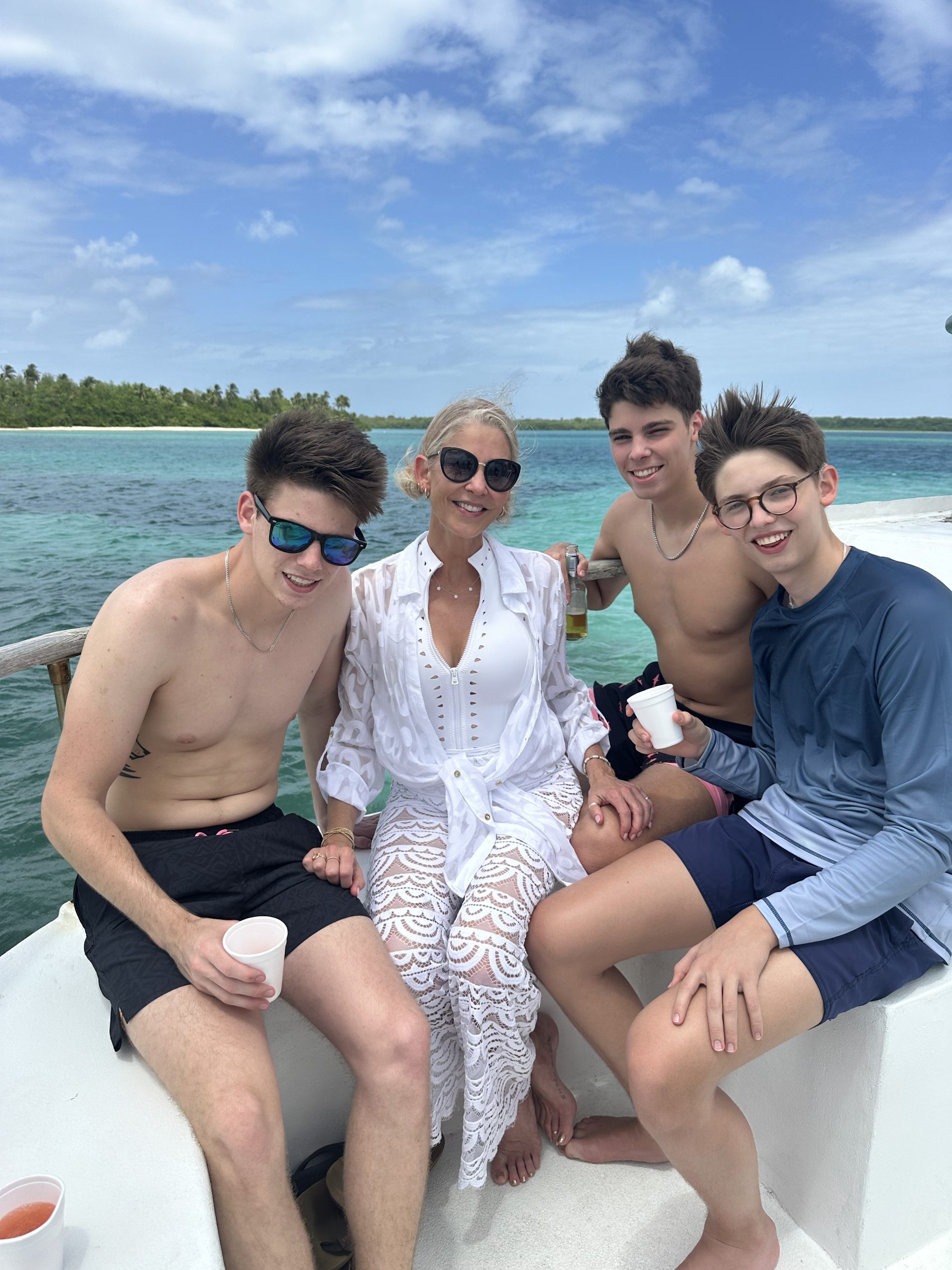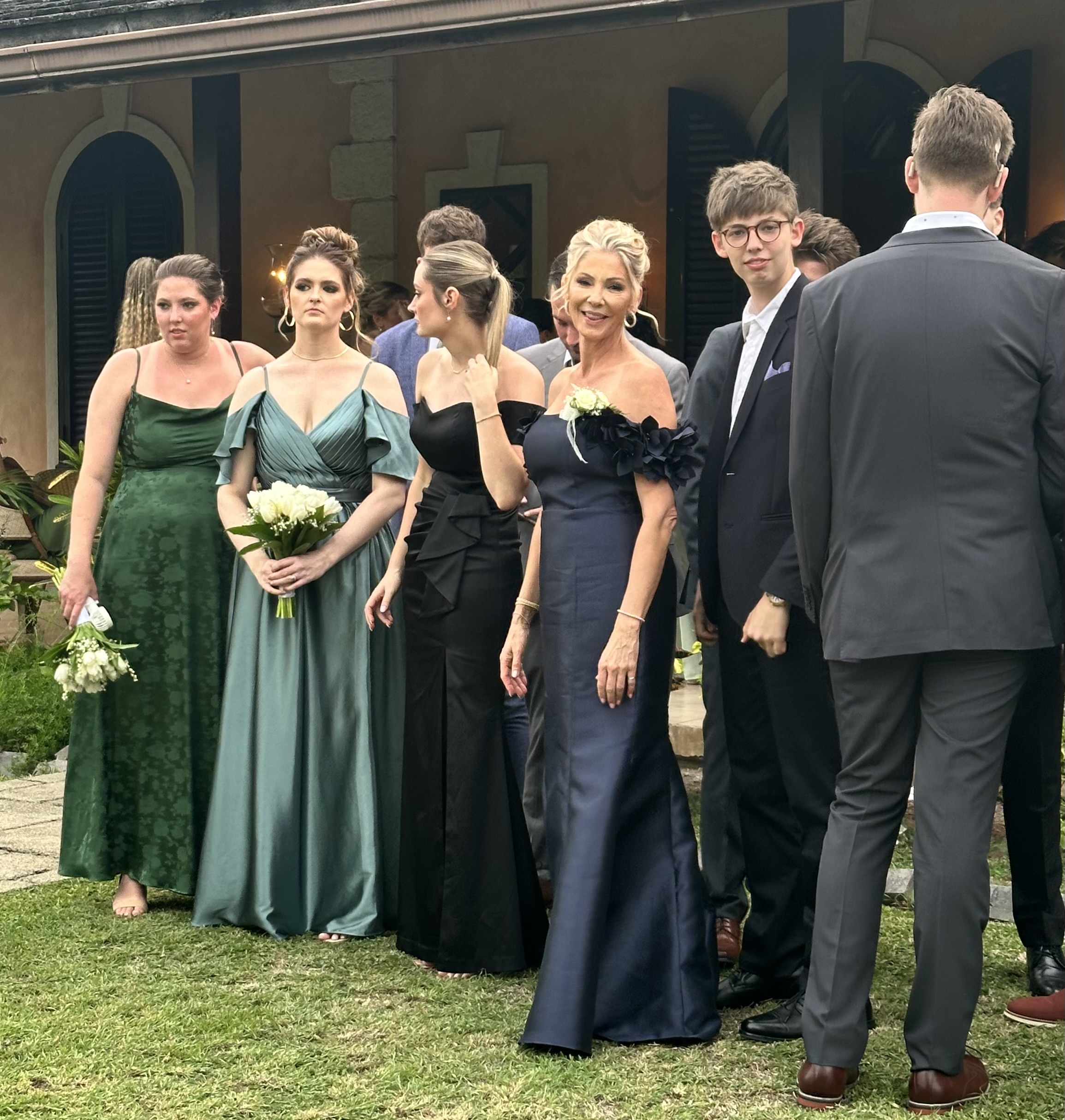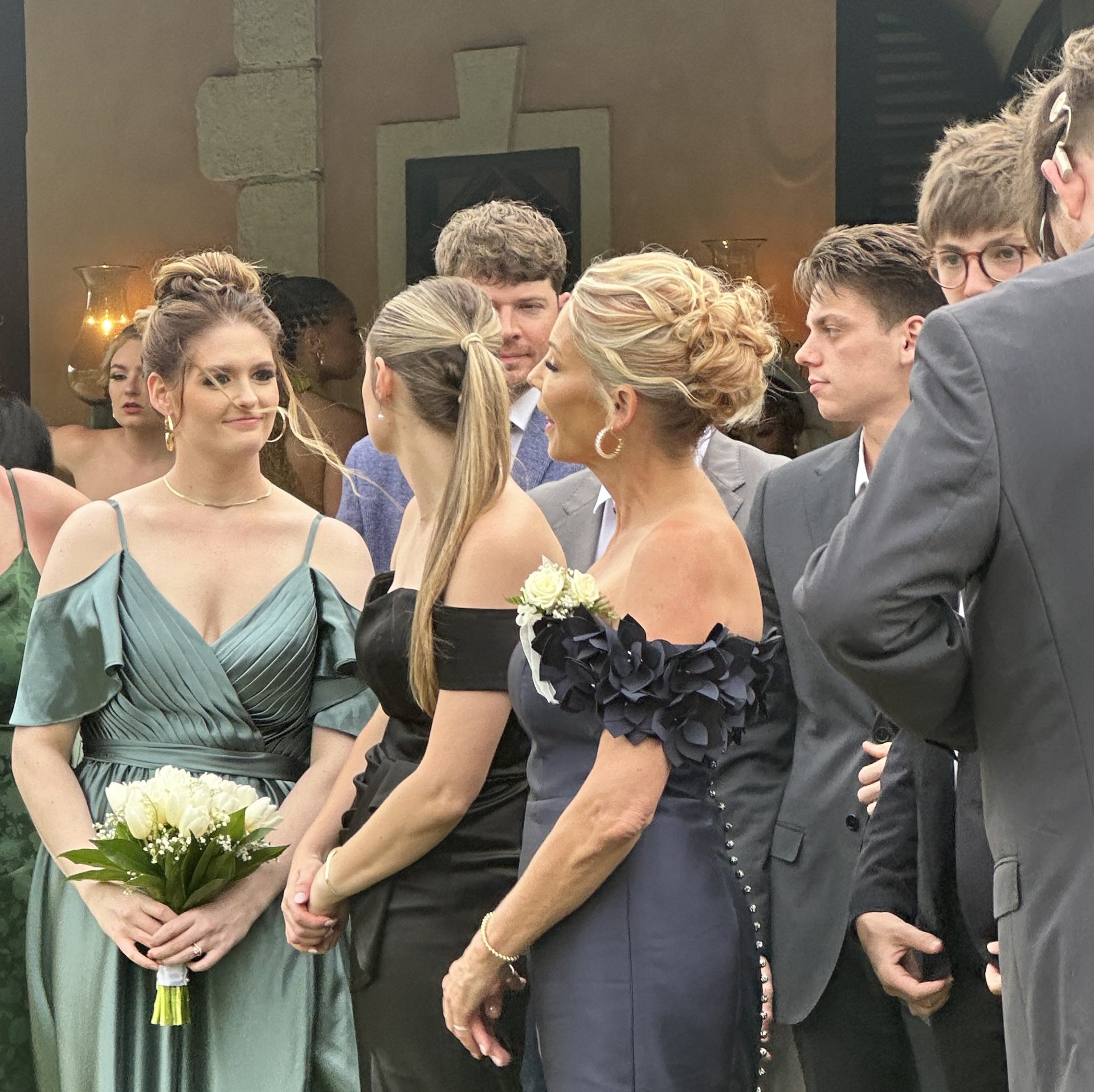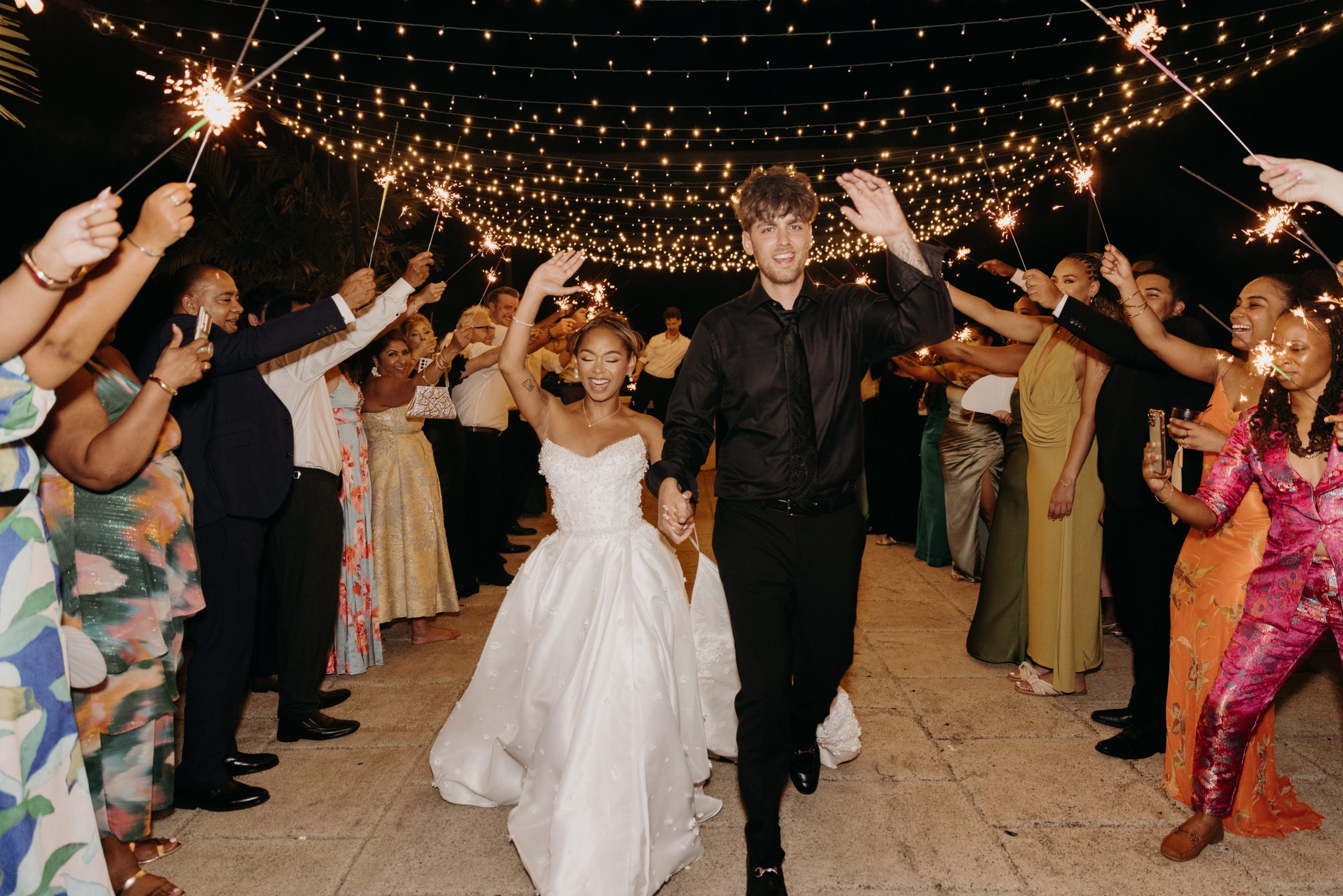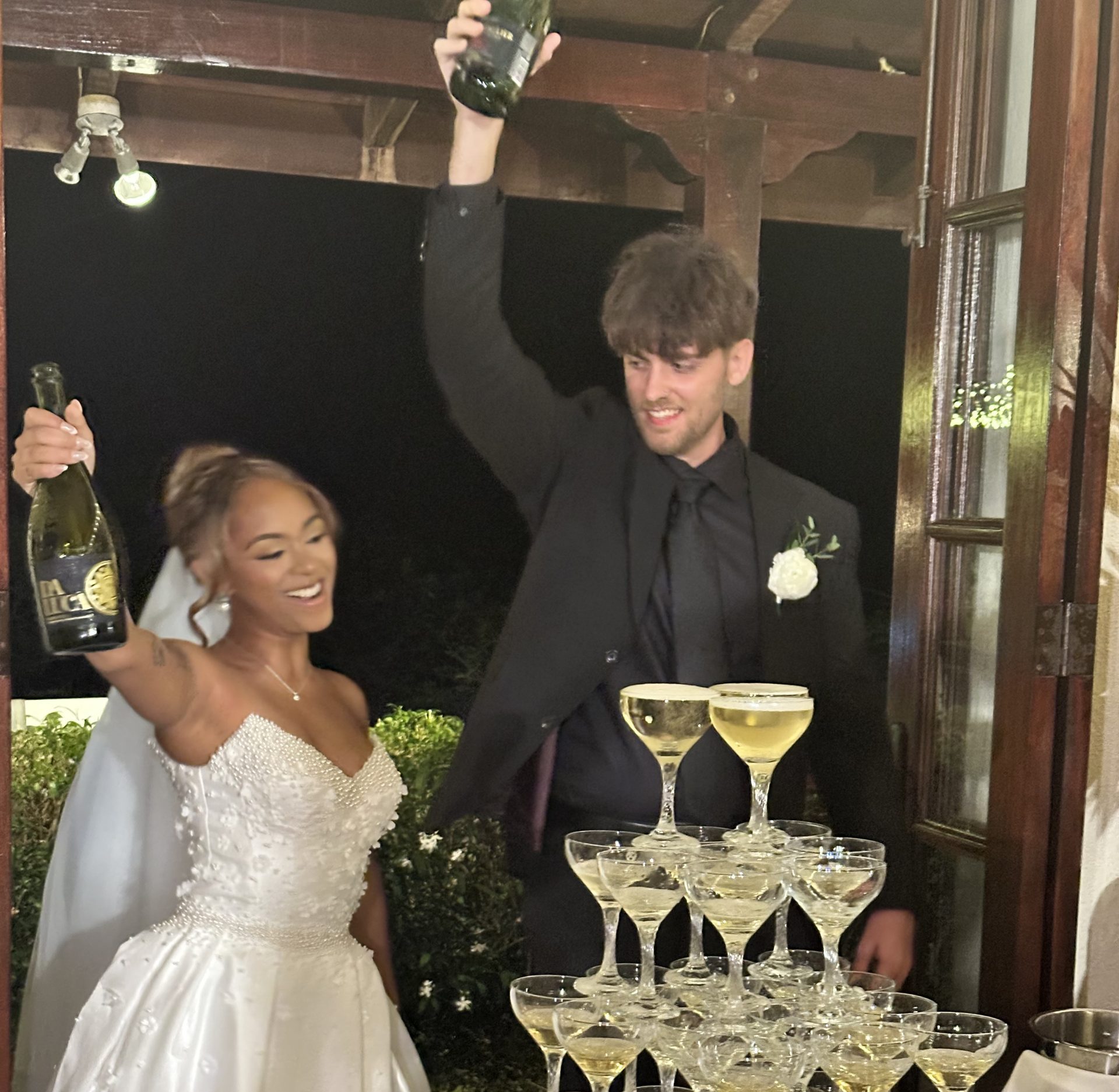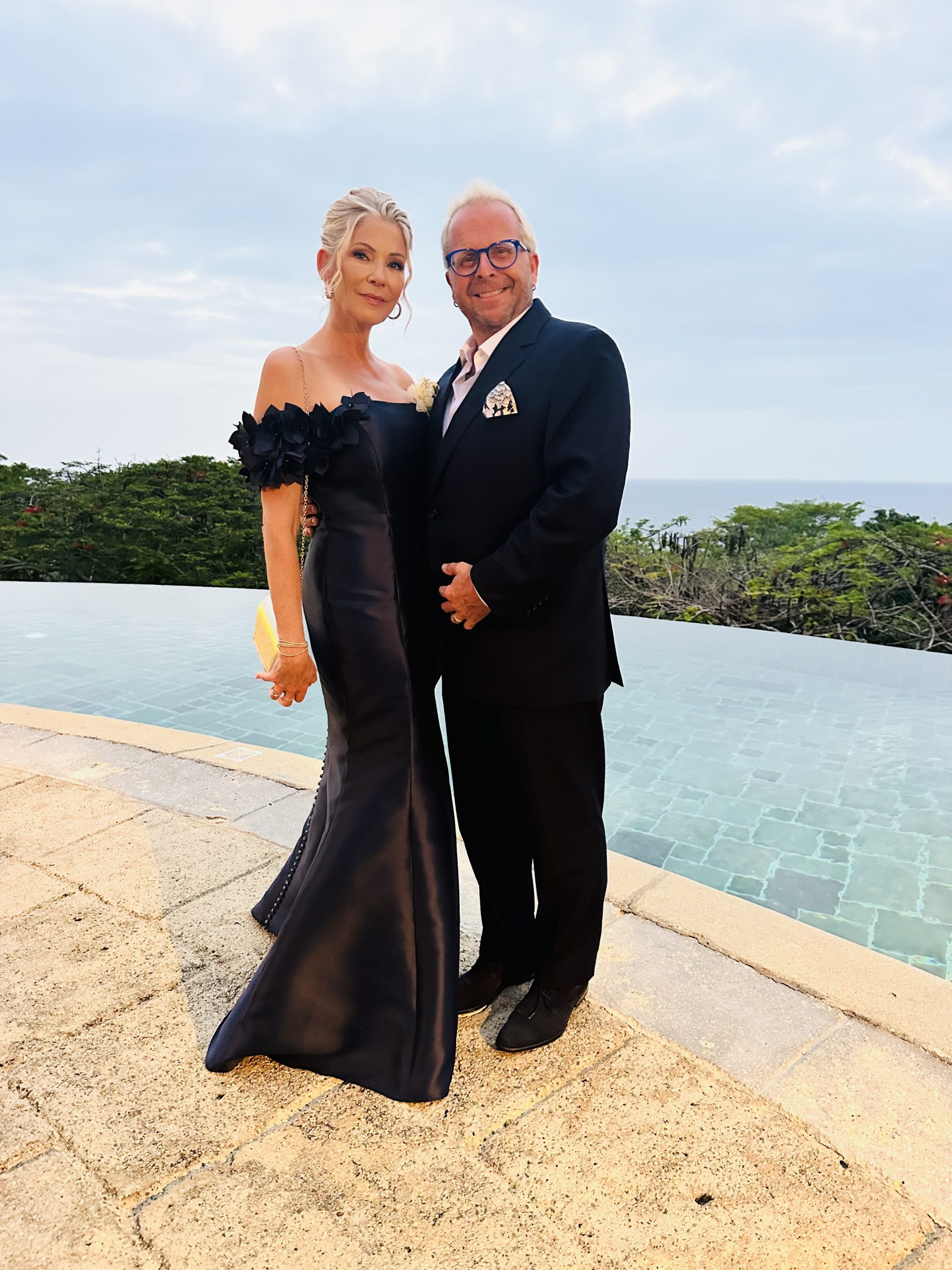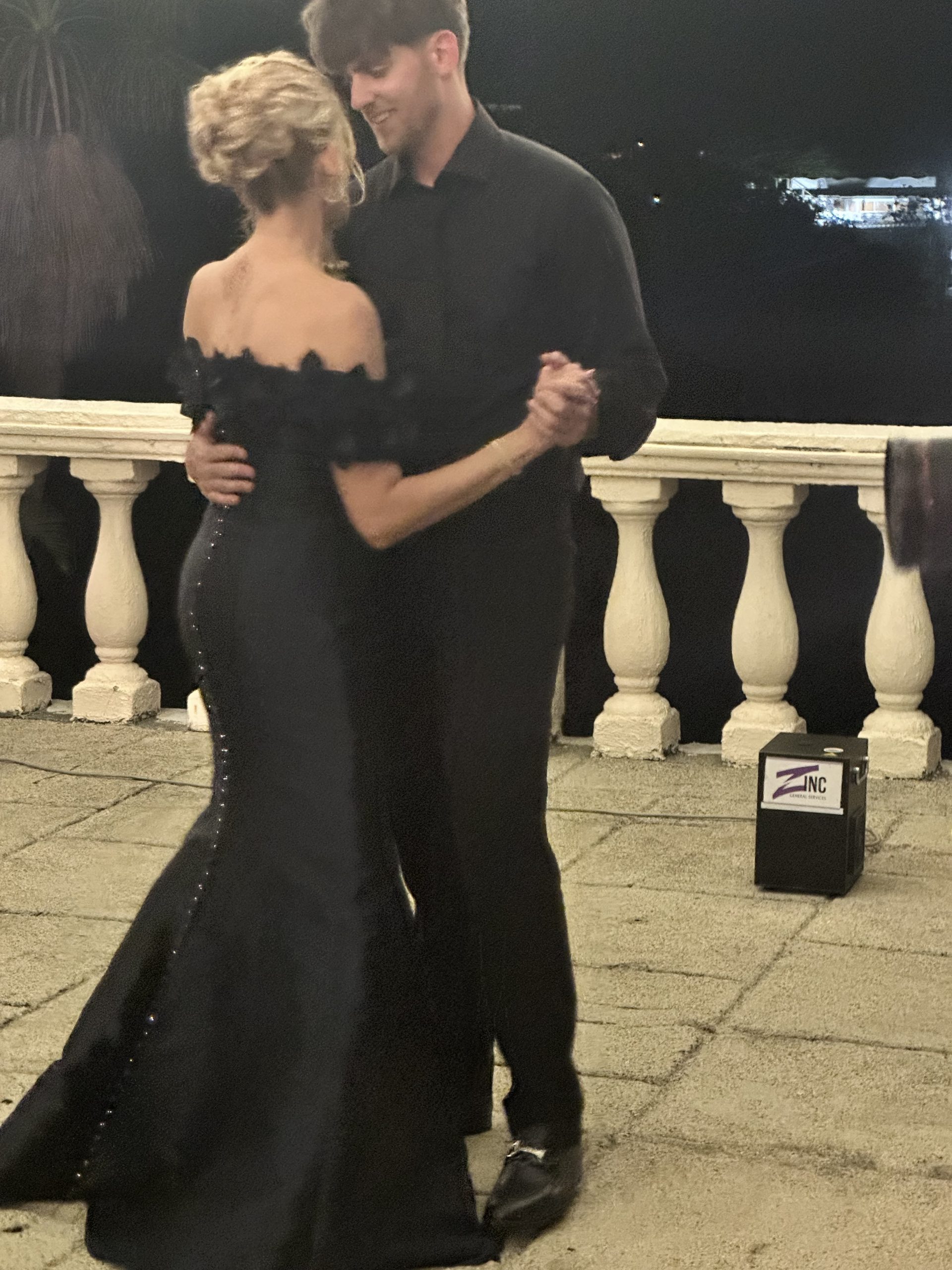
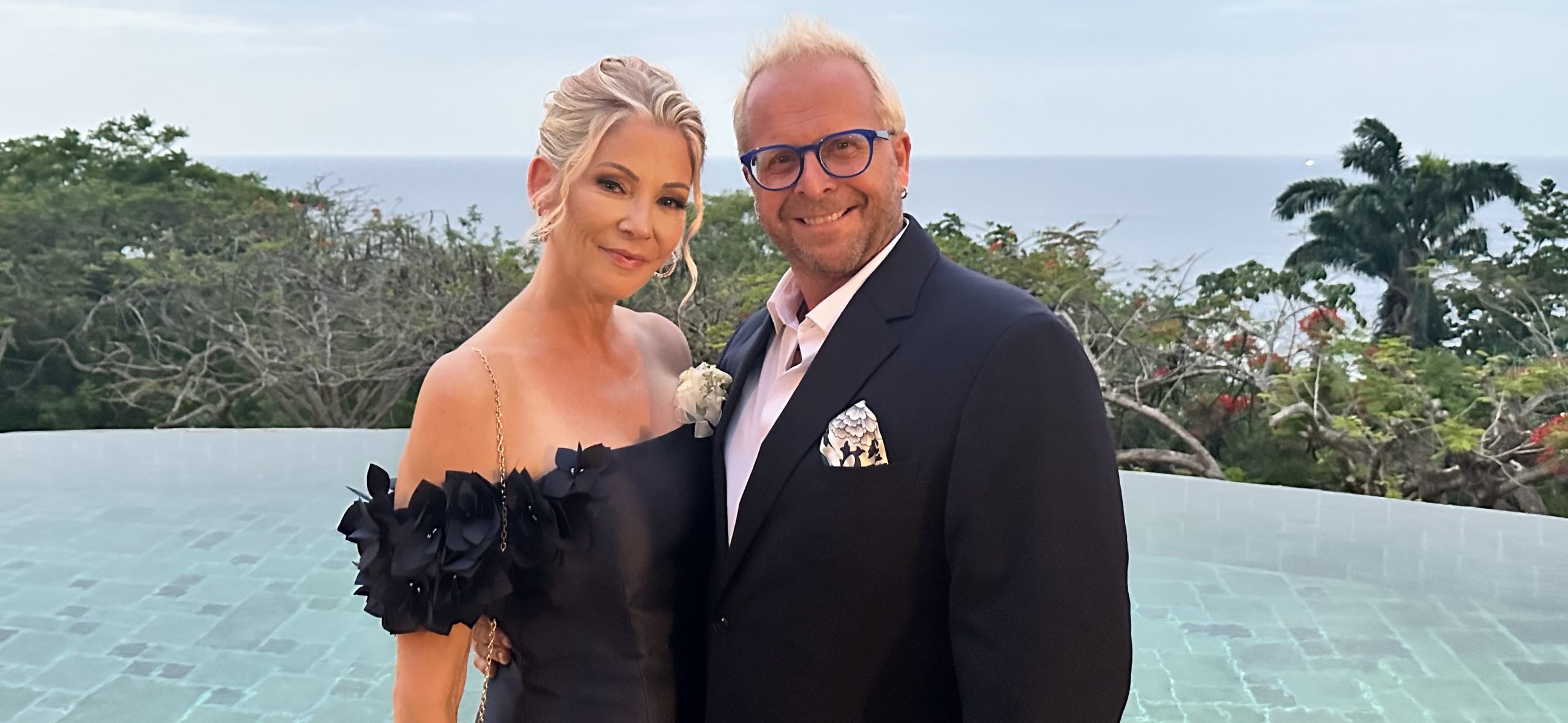
When my son called to tell me about his upcoming wedding in Trinidad and Tobago, my heart soared with joy for him and his beautiful bride. But as the details unfolded over the following months, I realized this celebration would be the ultimate test of all the personal growth work I’d been doing for the past year. This wasn’t just going to be a wedding—it was going to be a three-day immersion into a complex family dynamic that would require every tool in my emotional toolkit.
The Challenge Ahead
The guest list read like a master class in navigating difficult relationships. My ex-husband would be there with his girlfriend—a woman I’d never met but who now lived in the house I had built, the home where I’d raised our children. She had stepped into what felt like my former role as the family matriarch, and she had been present in his life before our marriage officially ended. Eight of my nine children would be attending (only my Marine son couldn’t make it due to service), along with my ex-brother and sister-in-law who had cut contact with me during the divorce. After 36 years of friendship and family bonds, their silence had cut deep.
The magnitude of what lay ahead was overwhelming. Three days of overlapping events, shared spaces, and family moments where I would need to watch my former life play out with new players while staying focused on what truly mattered: giving my son and his bride the best week of her life.
The Inner Work Begins
For over a year leading up to this wedding, I had been working with a coach, determined to shed any emotional baggage that might interfere with this precious family moment. I knew that showing up authentically—not as a wounded ex-wife but as a proud mother—would require intensive preparation.
The coaching sessions weren’t just about managing my emotions around my ex-husband; they were about fundamentally shifting my perspective on what family means and what my role would be moving forward. I had to confront the pain of feeling replaced, the sting of being cut off by people I considered family, and the complex emotions around seeing someone else inhabit the life I had built.
Together with my coach, I developed a toolkit of strategies. Breathing techniques for moments when I felt triggered. Mantras to refocus my energy on love rather than resentment. Visualization exercises where I practiced seeing myself moving through each event with grace and joy. Most importantly, I learned to separate my son’s happiness from my own unresolved pain.
Strategic Preparation
Knowing that I needed space to process and recharge, my partner Ben and I chose to stay in our own villa, separate from the main family accommodations. This wasn’t about isolating myself—it was about ensuring I had a sanctuary where I could decompress privately if needed. Ben’s presence would provide the moral support I knew I’d require, but ultimately, this journey was mine to navigate.
I also made a commitment to myself and to my son: his wedding week would be about him and his bride, not about my emotional baggage. When he told me months earlier that he just wanted me to help give his bride the best week of her life, those words became my North Star. Every decision, every interaction, every moment would be filtered through that single priority.
The Baptism by Fire
Arriving in Trinidad and Tobago, the tropical air seemed to carry both possibility and tension. The first encounter with my ex-husband’s girlfriend was surprisingly anticlimactic. She was indeed younger—at least ten years my junior—and undeniably cute. But instead of feeling diminished, I found myself standing taller, empowered by my status as the mother of the groom and confident in my own elegant beauty.
The coaching work proved its worth immediately. Rather than focusing on what I had lost, I found myself appreciating what I had gained: the freedom to be authentically myself, the strength that comes from doing difficult inner work, and the clarity that my worth wasn’t dependent on anyone else’s choices.
Meeting my former in-laws again after years of silence could have been awkward, but I made a conscious choice not to revisit past hurts. Instead, I focused on moving forward, on reconnection rather than recrimination. Surprisingly, they seemed relieved by this approach, and what could have been tense encounters became opportunities for healing.
The Magic of Family
What surprised me most about those three days was how naturally the love flowed. Surrounded by my children again, I remembered why family is worth fighting for—and worth doing the inner work to preserve. For three solid days, I was able to bask in their affection, to be part of something bigger than my individual pain.
There were moments when I caught glimpses of my ex-husband and his girlfriend sharing family interactions, and yes, I felt the familiar pang of displacement. But the tools I had developed allowed me to acknowledge those feelings without being consumed by them. I could observe, feel, process, and then refocus on the joy surrounding me.
Watching my son with his bride, seeing the genuine happiness radiating from both of them, reminded me why I had done all this work. Their love story deserved to unfold without the shadow of unresolved family drama. Their wedding deserved to be a celebration of their future, not a battlefield for past grievances.
The Power of Authentic Presence
As the wedding weekend progressed, something beautiful happened. By releasing my grip on old resentments and focusing on authentic love, I found myself genuinely enjoying every moment. The laughter with my children felt real, not forced. The conversations with extended family flowed naturally. Even interactions with my ex-husband’s girlfriend became cordial and respectful.
I realized that all the coaching, all the inner work, all the mental preparation had led to this: the ability to show up as my true self rather than as a defensive, wounded version of myself. My children could sense the difference. The lack of tension allowed everyone to relax and enjoy the celebration more fully.
Lessons in Grace
Traveling as part of the family group, both to and from Trinidad and Tobago, reinforced something I had forgotten during the painful years following my divorce: I am still part of this family I created. My role has evolved, but my place remains secure. The love between a mother and her children transcends any other relationship dynamics.
The wedding became what I now think of as a baptism of family togetherness—a true immersion in love that washed away years of hurt and resentment. It proved that with enough inner work, time, and commitment to growth, we can become the humans we aspire to be.
The Triumph of Choice
Looking back on those three days, I’m struck by how different things could have been if I hadn’t done the preparation work. I could have arrived armed with grievances, ready to assert my territory, determined to make my pain visible. Instead, I chose grace. I chose to focus on love rather than loss, on celebration rather than competition.
This experience taught me that our emotional baggage is optional luggage—we can choose to carry it, or we can choose to leave it behind. The work required to make that choice isn’t easy, but it’s absolutely worth it.
My son got his wish: his bride had the best week of her life, surrounded by a family that chose love over drama. And I got something I didn’t even know I was seeking: proof that I could navigate the most challenging family dynamics with grace, authenticity, and joy.
The wedding in Trinidad and Tobago became more than a celebration of my son’s marriage—it became a celebration of my own transformation and a testament to the power of doing the inner work necessary to become a blessing to others and ourselves.