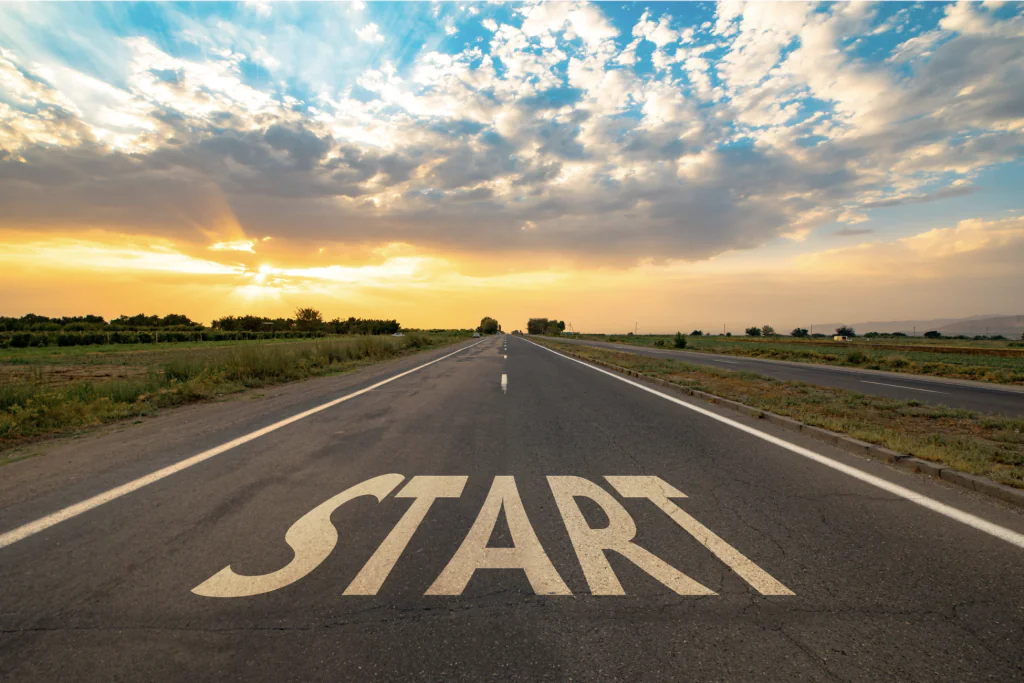

Life has a way of teaching us that nothing is permanent. As a woman who has navigated both divorce and relocation, I’ve had to learn this lesson twice over when it comes to the holiday traditions I once held dear. My journey from an only child without many family traditions, to a mother creating rich celebrations for my own family, to a woman redefining holidays on my own terms has been both challenging and enlightening.
Growing Up Without Traditions
As an only child, holidays in my childhood home were relatively simple affairs. We didn’t have elaborate family gatherings or deeply rooted traditions passed down through generations. There was love, certainly, but not the kind of annual rituals that many of my friends seemed to experience, no special recipes that only Grandma could make, no treasured ornaments with decades of history, or yearly pilgrimages to family cabins.
Perhaps it was this absence that made me determined to create something different when I had my own family. I wanted my children to have what I didn’t, a sense of continuity, anticipation, and belonging that comes from shared traditions repeated year after year.
Building Family Traditions
For decades, I poured my heart into creating meaningful holiday celebrations. Every decoration had a story, every recipe was carefully selected and perfected over years. Christmas wasn’t just about presents but about the ritual of decorating the tree together while playing the same beloved album, baking cookies using recipes collected over years, and driving around to see the neighborhood lights on Christmas Eve.
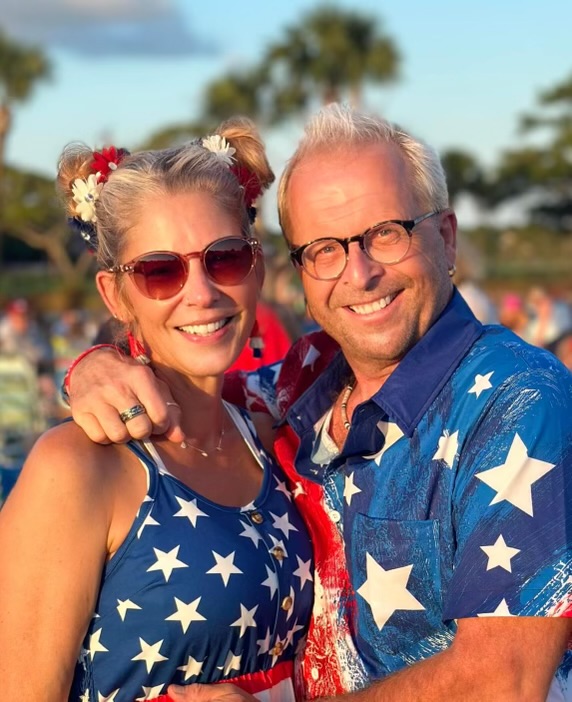
Fourth of July meant red, white, and blue everything from the food to the decorations. I coordinated matching outfits, prepared special picnic baskets, and scoped out the perfect fireworks viewing spots weeks in advance.
These traditions weren’t just activities; they were expressions of love and stability. They were my way of saying to my family, “This is us. This is what we do. This is who we are together.” The traditions became part of our family identity.
The Fracture of Divorce
When my marriage ended, it wasn’t just the relationship that shattered, it was this entire carefully constructed framework of family traditions. Suddenly, I was faced with holidays that felt like landmines of painful memories. Every ornament, recipe, and ritual held echoes of a family unit that no longer existed.
The first holidays after divorce were brutal. I tried to maintain some semblance of normalcy for my children, but inside I was grieving. How could I possibly celebrate when everything felt like a reminder of what I’d lost? When the children were with their father, I faced empty hours that used to be filled with family activity. Even the traditions I maintained felt hollow without the complete family unit I had built them for.
I remember staring at our traditional Christmas morning cinnamon rolls the first year after divorce, wondering if I should even bother making them just for myself. What was the point? Who was I even doing this for now?
Redefining Holidays After Divorce
Gradually, I realized I needed to separate my identity as a woman from my identity as a mother and ex-wife. The holidays didn’t have to look the way they had for the past twenty years. I could choose what to keep, what to modify, and what to let go.
I started small, giving myself permission to skip certain traditions that felt too painful. Instead of hosting a large Thanksgiving dinner, maybe I’d travel instead. Rather than decorating the entire house for Christmas, perhaps just a small tree would do.
I began asking myself questions I hadn’t considered before: What do I actually enjoy about this holiday? What parts of celebration bring me genuine pleasure, not just a sense of obligation? What new experiences might I want to try now that I have the freedom to choose?
Some holidays were easier to reimagine than others. For some, I created new rituals—a spa day on my birthday instead of a family dinner, a hiking trip instead of a backyard barbecue. For others, I maintained modified versions of family traditions when my children were with me, and developed separate adult celebrations when they weren’t.
It wasn’t easy. There were many tears, many moments of loneliness. But slowly, I began to see that this forced reinvention had a silver lining: the opportunity to design celebrations that reflected who I was now, not just who I had been as part of a family unit.
The Challenge of Relocation
Just as I had found my footing with this new holiday identity, life threw another curveball, relocation to a new city. Once again, I found myself without the comfort of established patterns. The Fourth of July traditions I had carefully built over the previous four years, the three-day festivities with friends (my beloved “Yayas”), the parade routes I knew by heart, the perfect spot to watch fireworks, were suddenly unavailable to me.
This year’s July 4th became a symbol of my new reality. No familiar circle of friends, no traditional race to walk, no guaranteed plans. The prospect of another holiday reinvention felt exhausting. Haven’t I done this work already? Must I start from scratch again?
Embracing the New While Honoring the Past
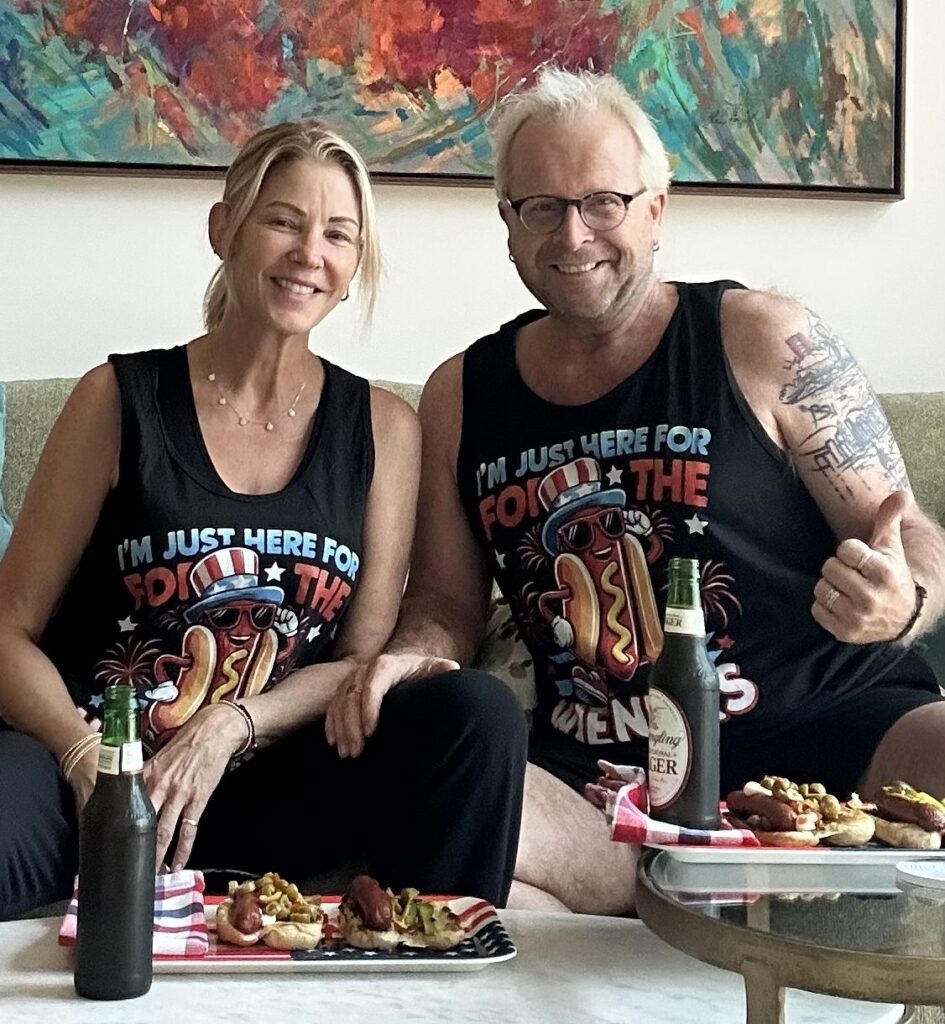
What I’m learning through this second transition is that holiday traditions aren’t static monuments but living practices that can evolve with us. This July 4th looked different, new friends, new location for fireworks, new energy, but it still contained elements that matter to me. I still watched the Coney Island hot dog eating contest on TV while eating hot dogs myself, just with Ben instead of hosting a party.
And surprisingly, it was fun. Different, but enjoyable in its own way.
I’m realizing that perhaps the goal isn’t to recreate what was or to force immediate new traditions, but to remain open to possibility. To bring forward elements I truly value (like those hot dogs and the absurd eating contest that makes me laugh every year) while allowing space for new experiences to potentially become tomorrow’s traditions.
Some constants remain, I still love good food, laughter with friends, and the collective experience of celebration. The specific form these take might change, but the essence doesn’t have to.
Lessons from a Life in Transition
Through these transitions, I’ve learned that holiday traditions serve us, not the other way around. When they become burdens rather than joys, it’s time to reevaluate. I’ve learned that it’s possible to honor what was meaningful about past celebrations while creating space for new experiences.
I’ve discovered that the most important traditions aren’t about specific activities but about the feelings they generate, connection, joy, gratitude, reflection. Those feelings can be cultivated in countless ways.
Most importantly, I’ve learned that transitions, while painful, offer rare opportunities for intentionality. How often do we get to step back and ask ourselves what truly brings us joy? What would we create if we weren’t bound by expectations and past patterns?
The groundwork for new traditions doesn’t happen overnight. It takes time to experiment, to discover what resonates in this new chapter. There will be missteps and lonely moments. But there will also be surprising joys, unexpected connections, and the gradual emergence of new patterns that feel authentic to who I am now.
As I continue navigating this season of change, I’m trying to hold both the grief for what’s past and openness to what’s possible. The more I can embrace the new while gently releasing what no longer serves me, the richer my experience becomes. I’m not just passing through transitions, I’m being transformed by them.
And perhaps that’s the most meaningful tradition of all: the commitment to growth, to authenticity, and to creating a life that reflects who we are becoming, not just who we’ve been.